
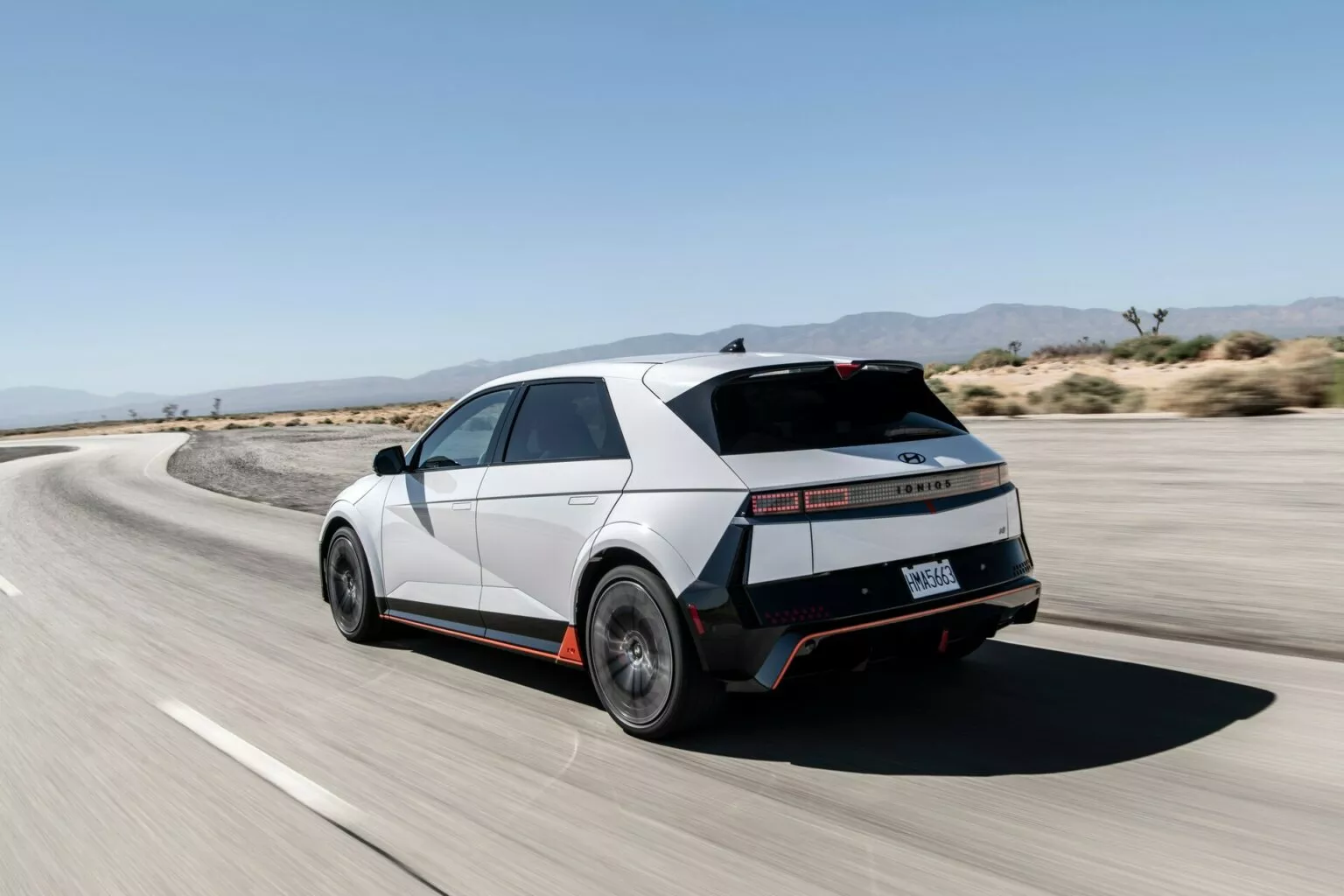
Hyundai is facing growing criticism from electric vehicle owners after reports surfaced that its diagnostic systems prevent drivers from performing basic maintenance tasks on their own cars. The controversy began after an Ioniq 5 N owner claimed that the company’s software tools restrict access to essential calibration functions, effectively locking out anyone who isn’t a certified technician.
According to posts on Reddit’s r/Ioniq5N community, the issue centers around the vehicle’s rear brake pads, which are linked to the electric parking brake. Replacing them requires disengaging and recalibrating the brake motor — a process that, according to the owner, can only be completed using Hyundai’s proprietary J2534 Diagnostic Tool. The Windows-based application reportedly demands a $60 weekly subscription, a specialized adapter costing over $2,000, and a constant internet connection for authentication.
See also: Hyundai Cuts Lease Price on 2025 Ioniq 5 N by $150 Monthly
[deleted by user]
by inIoniq5N
Hyundai declares WAR on Right to Repair
byu/SoultronicPear inIoniq5N
The owner said their attempt to follow the official process was blocked. “I broke down and bought the subscription and special adapter,” the user wrote. “Guess what? It didn’t work.” They later discovered that their account access had been revoked by the National Automotive Service Task Force (NASTF), which allegedly stated, “DIYers are not permitted access.” The Reddit post included a screenshot of the message requesting a registered business name and federal tax identification number to proceed.
See also: Hyundai Launches Lower-Priced Ioniq 5 N Essentials Trim in Korea
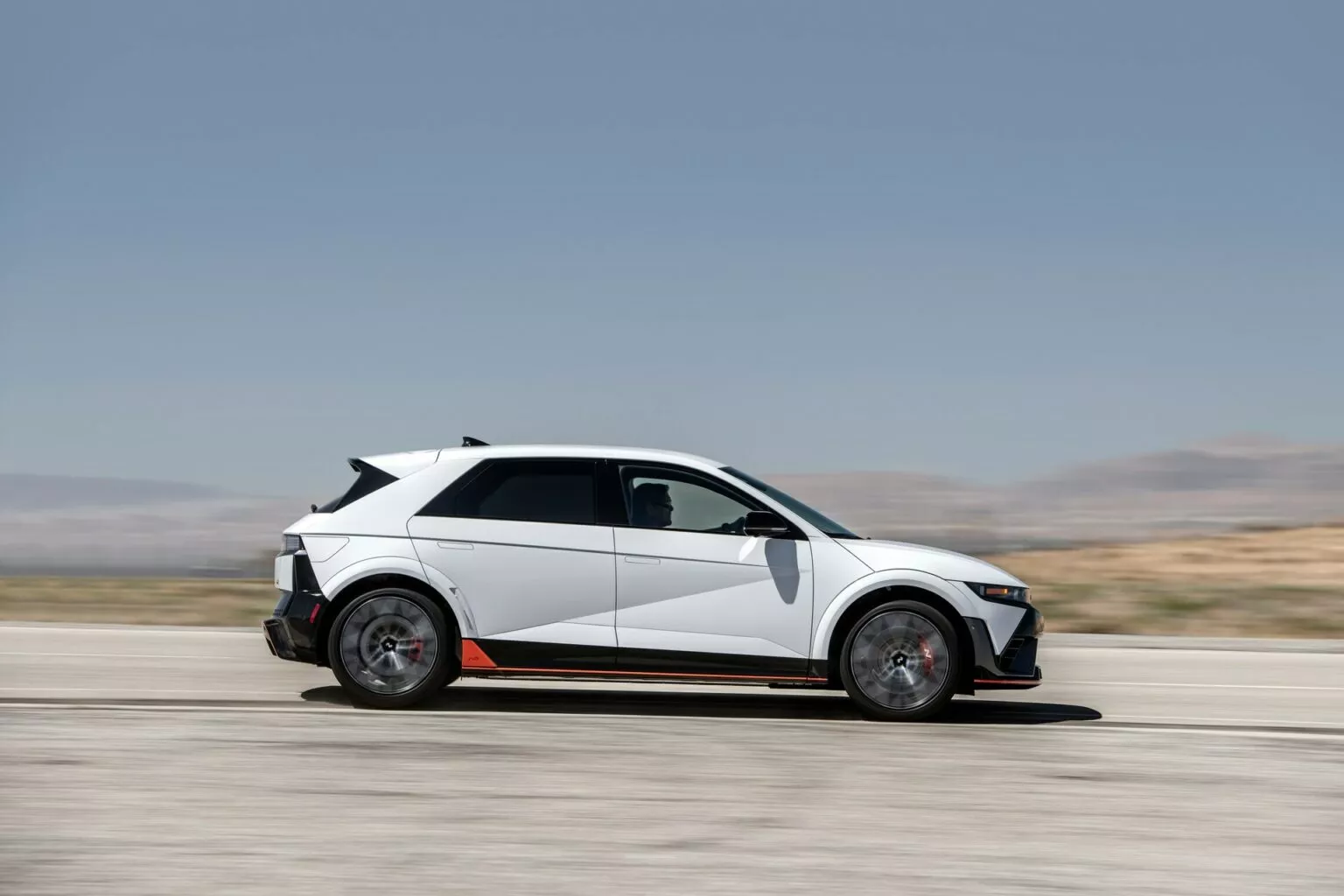
While Hyundai technicians reportedly use a separate Android-based software suite that allows seamless access, independent mechanics and vehicle owners remain locked out. The incident has reignited debate over the “Right to Repair” movement, which advocates for consumer and third-party access to diagnostic data and repair tools.
Hyundai said it is reviewing the situation and will provide updates once more information becomes available. The dispute underscores growing tension between automakers’ control over digital vehicle systems and owners’ rights to maintain their own cars — an issue that could become increasingly significant as electric vehicles continue to rely heavily on proprietary software.