
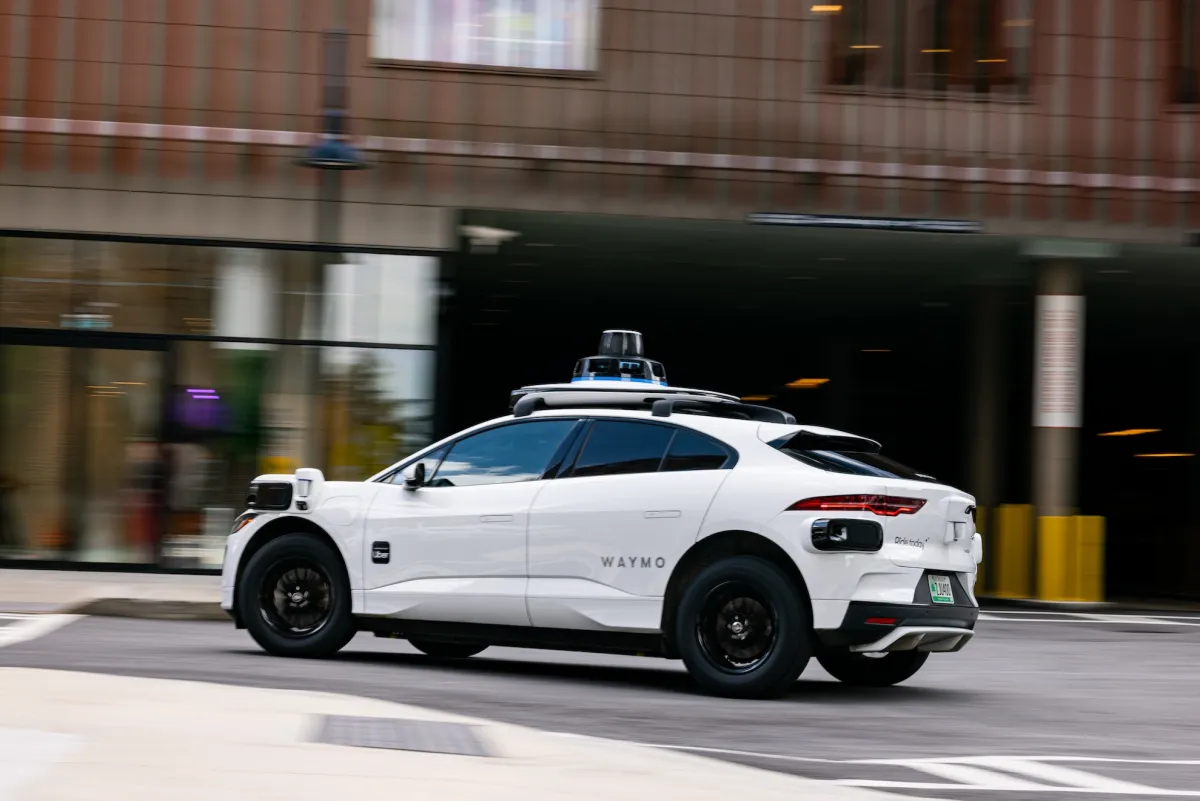
The global race to dominate the autonomous vehicle sector is accelerating, with robotaxi services leading the charge, according to a new report by market intelligence firm IDTechEx. The study forecasts an exponential rise in software revenue from self-driving taxis over the next two decades, underscoring fierce competition among technology developers and automakers in the United States, China, and Europe.
The report, titled “Autonomous Driving Software and AI in Automotive 2026-2046: Technologies, Markets, Players,” predicts a 1,000-fold increase in robotaxi software revenue through 2046. It identifies major players such as Waymo, Tesla, Zoox, and May Mobility in the U.S., and Baidu’s Apollo Go, Pony.ai, and WeRide in China as driving forces behind the industry’s rapid expansion.
See also: Chinese Self-Driving Firms Accelerate Push Into Europe Amid U.S. Market Barriers
In the United States, Waymo has strengthened its lead in the robotaxi sector, operating in multiple cities including Phoenix, San Francisco, Los Angeles, Atlanta, and Austin. The Alphabet subsidiary recently began testing internationally in Tokyo, expanding its global footprint.
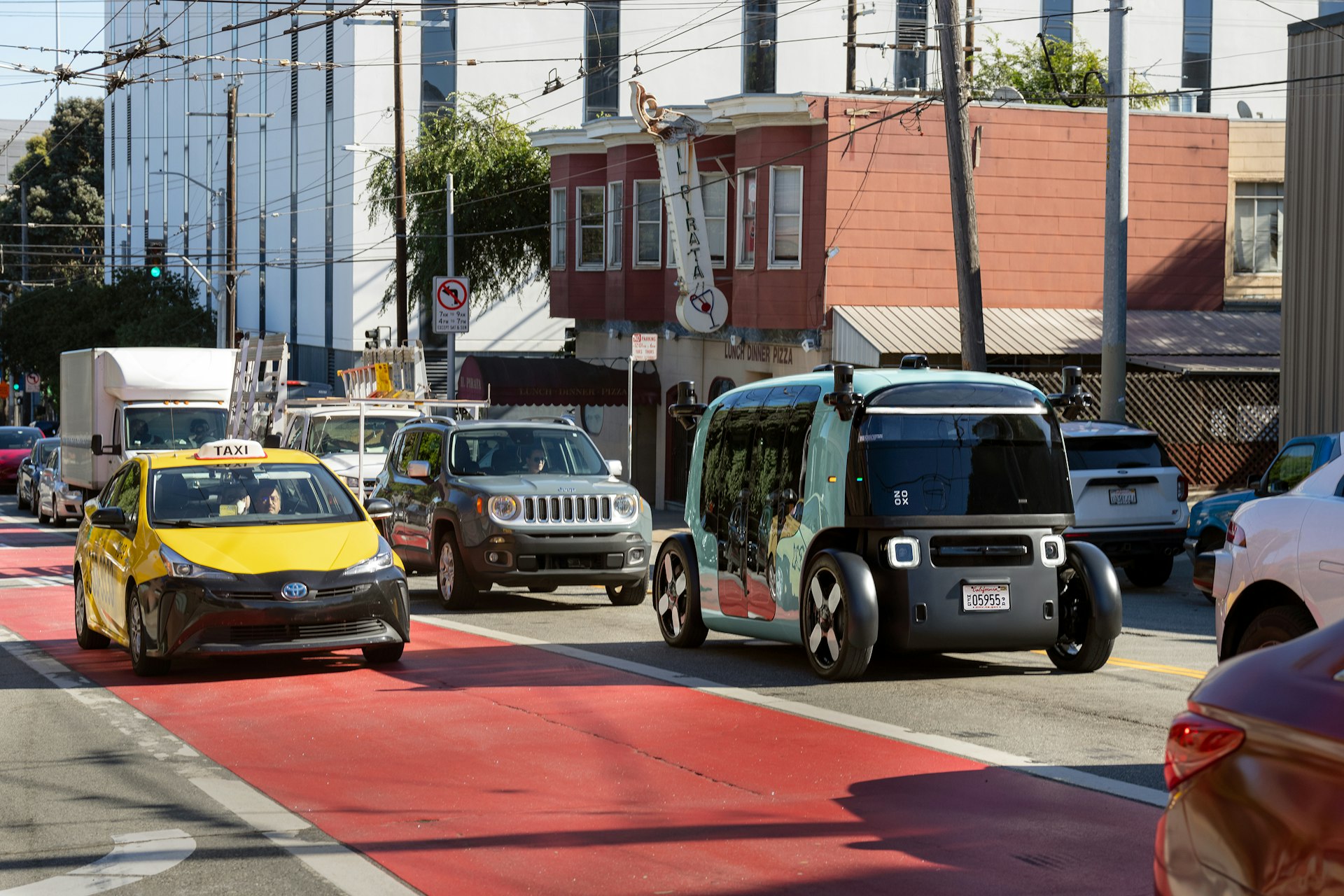
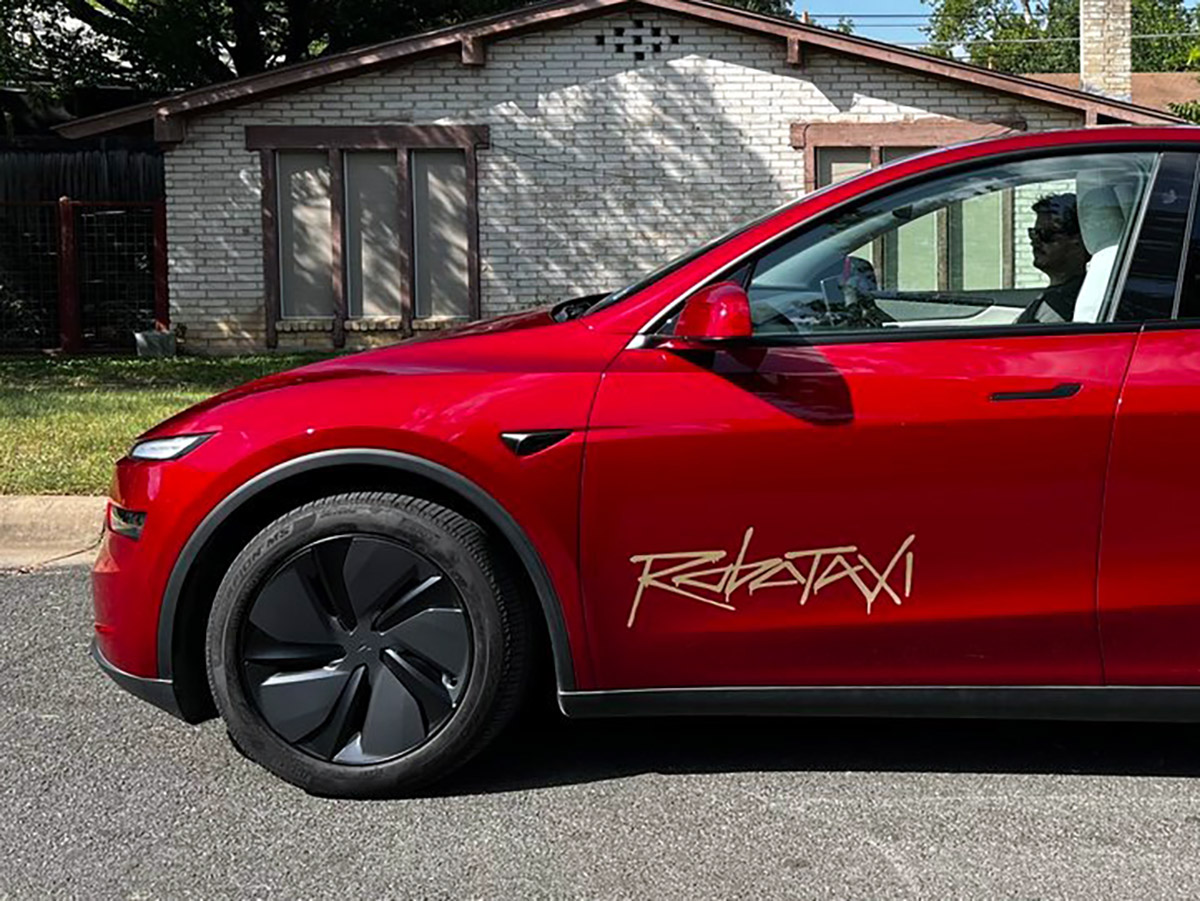
Tesla, which launched its robotaxi service in June, has since grown its operational area in Austin, Texas, to about 170 square miles and opened the service to the public in September without onboard safety drivers, though remote supervision remains in place. Zoox and May Mobility also entered the market this year, with Zoox unveiling a fully autonomous vehicle built from the ground up — without a steering wheel or pedals — and May Mobility partnering with Lyft on a pilot project using hybrid Toyota Sienna vans.
See also: EU’s Von der Leyen Urges AI-Driven Push for Self-Driving Cars to Revive Auto Industry
Following Cruise’s withdrawal from the U.S. market in late 2024, IDTechEx said the entry of these new competitors signals a period of accelerated growth. The firm forecasts that by 2046, the U.S. will account for nearly 25% of global robotaxi software revenue.
China is expected to dominate the robotaxi sector, with IDTechEx projecting it will contribute more than half of global software revenue by 2046. Baidu’s Apollo Go currently operates in over a dozen major cities, including Beijing, Shanghai, and Shenzhen, with a fleet exceeding 1,000 vehicles. The company plans to expand internationally to the UK and Germany by 2026.
See also: Stellantis Halts Level 3 Driving Program Amid Costs and Market Concerns
Other major domestic players such as Pony.ai and WeRide maintain sizable fleets, while emerging developers like Momenta and Black Sesame are adding to the competitive momentum. AutoX recently introduced the world’s first private SAE Level 4 autonomous vehicle under its new brand, Tensor, marking a significant step forward in personal-use self-driving technology.
Europe is emerging as a future battleground for autonomous driving technology, with startups such as Wayve and Motor AI developing advanced perception and control systems. These developments, the report noted, could position Europe as a key region for innovation and regulatory leadership in the years ahead.
See also: Musk Says Lidar and Radar Reduce Safety in Self-Driving Cars
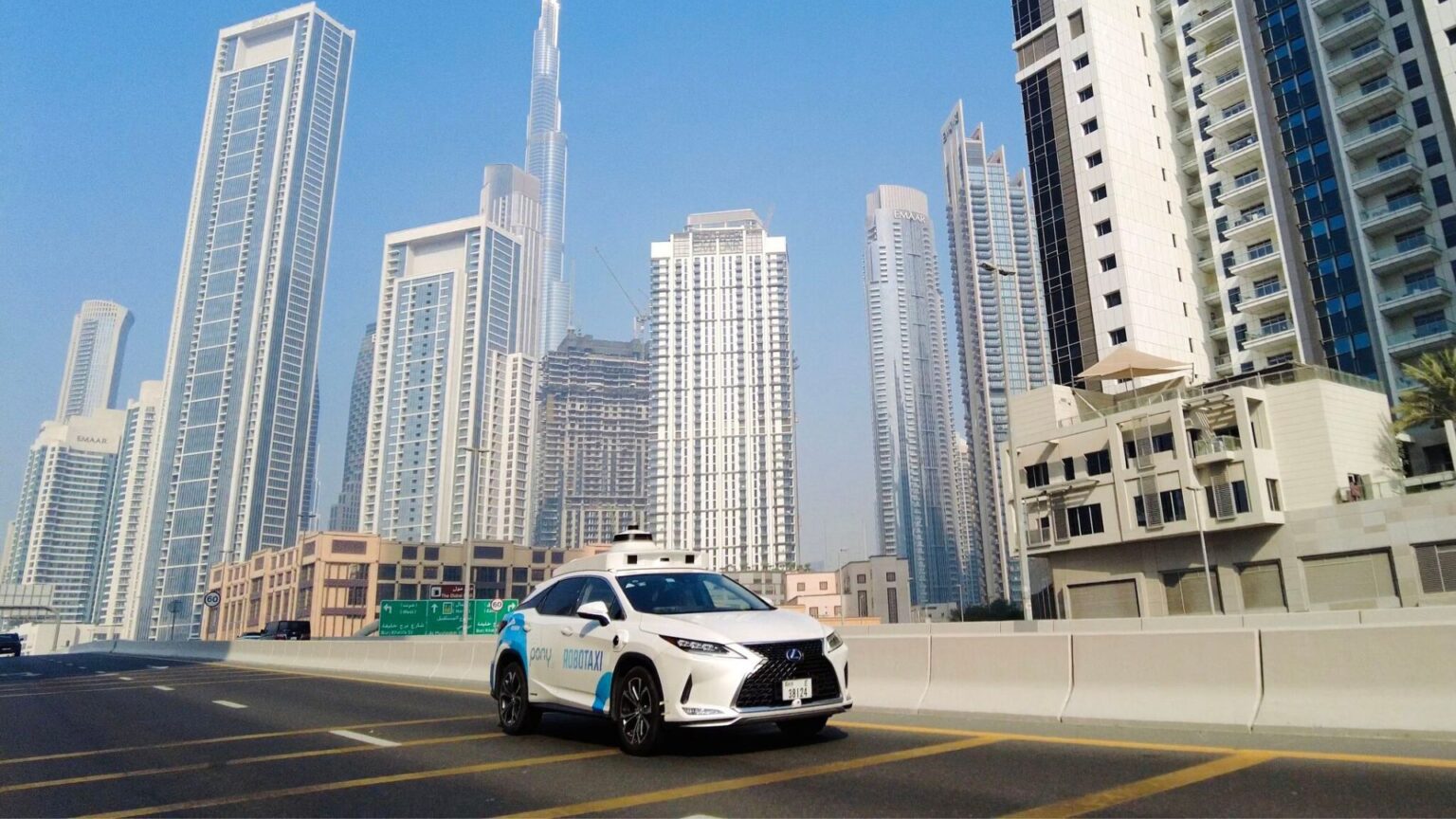
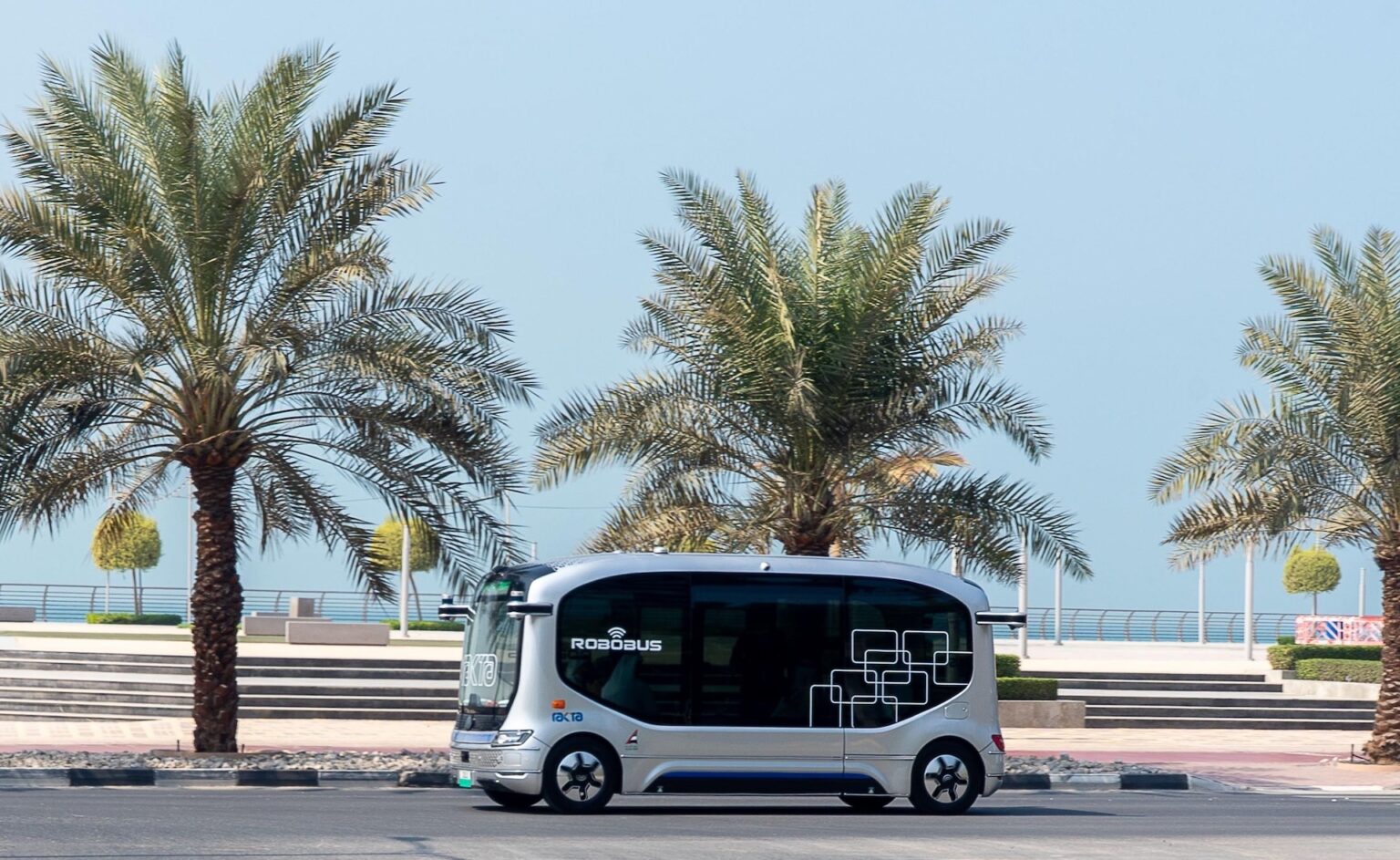
According to IDTechEx, the convergence of AI, cloud computing, and sensor technologies will be the primary catalyst for the expected surge in robotaxi software revenue. While the U.S. and China remain at the forefront, the firm expects new services to emerge in Europe, Japan, the Middle East, and other regions before the end of the decade.
“The next 20 years will redefine how software drives mobility,” the report concluded, adding that robotaxi technology “will transition from urban pilots to widespread commercial deployment, reshaping global transportation economics.”