
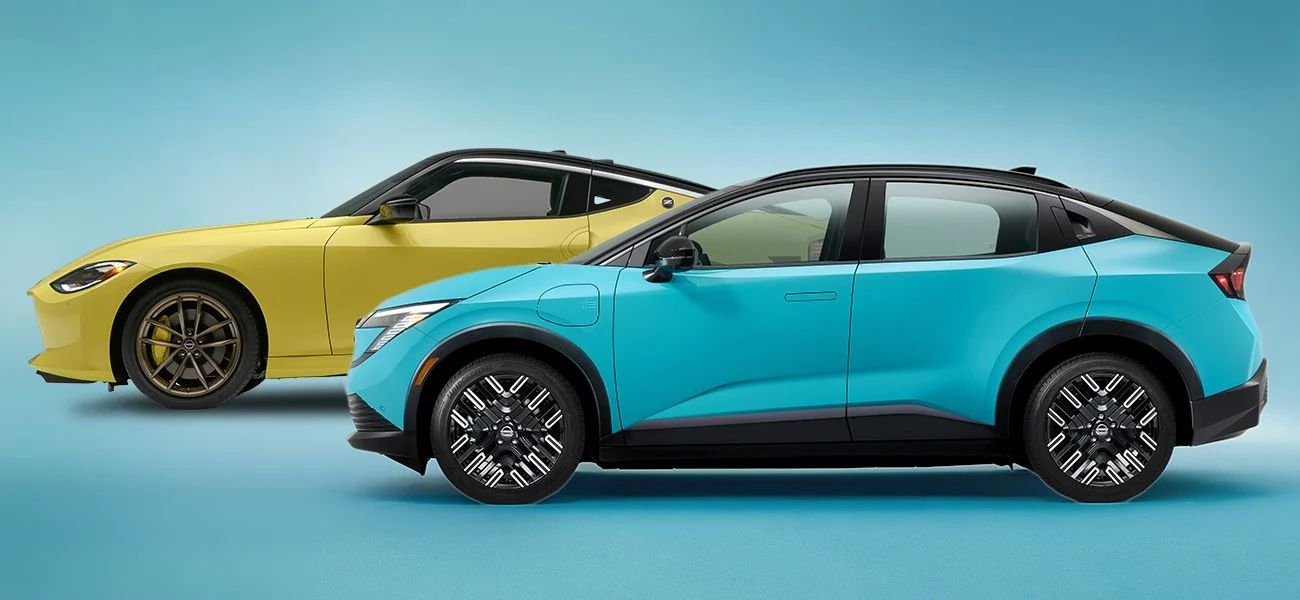
Nissan said it is applying engineering lessons from its Z sports car to the all-new 2026 Leaf, seeking to ensure consistent handling, comfort and technology across different vehicle segments as part of its strategy to strengthen brand identity.
The approach, which Nissan refers to as “Nissan-ness,” involves rotating engineers between projects ranging from sports cars to SUVs and electric vehicles. Engineers who worked on the Nissan Z were tasked with tuning the 2026 Leaf for North America, adapting sports car performance principles to an electric platform.
See also: Dual-Battery Nissan LEAF Limo Travels Nearly 19 Miles Past Zero Range in Test
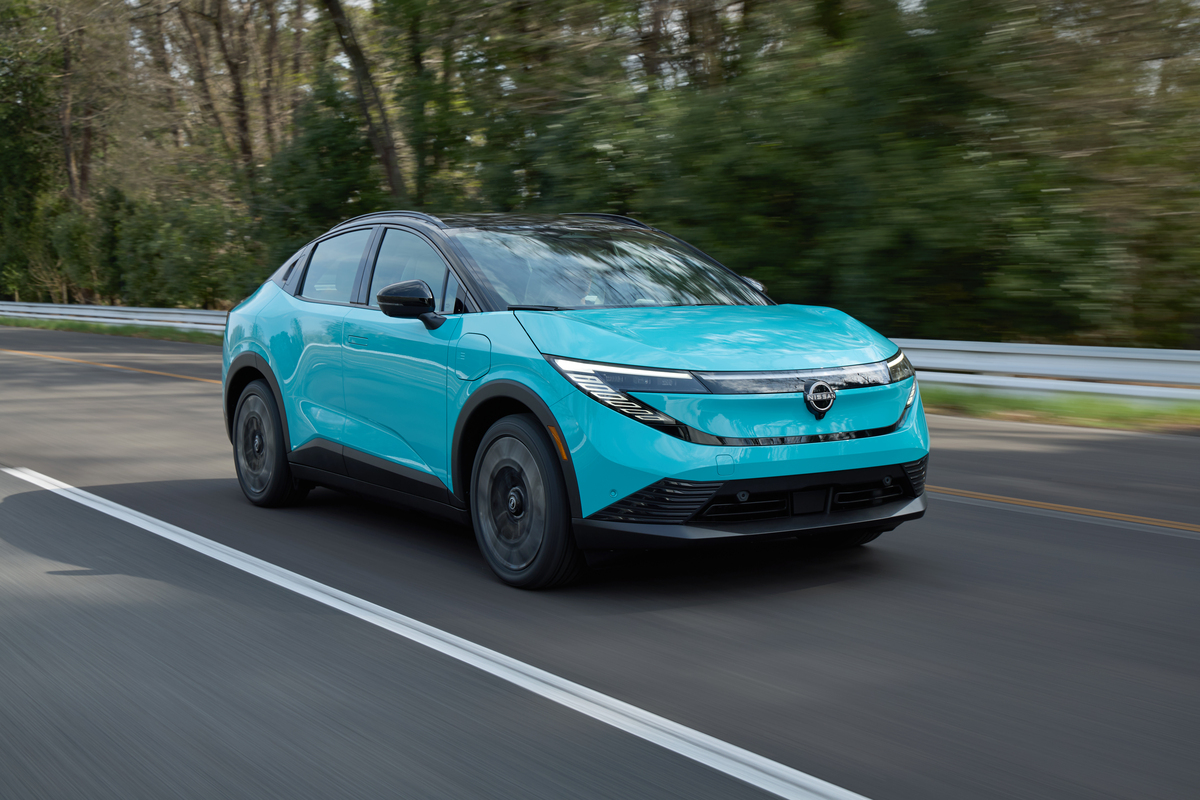
“Our ride comfort is targeted to be a class above,” said Mathew Wright, a research and development engineer at Nissan’s Arizona Testing Center. “The vehicle’s ability to dissipate road imperfections provides a high-quality feel that elevates it in its segment.”
The new Leaf incorporates a redesigned motor and mounts that cut vibration by 25%, while a multilink rear suspension adapted from the Ariya reduces impact stiffness by nearly 30%. The car’s floor has been stiffened by 80%, and noise isolation improved through new door elements.
See also: New Nissan LEAF Adds 250 Kilometers of Range in Just 14 Minutes with Fast Charging
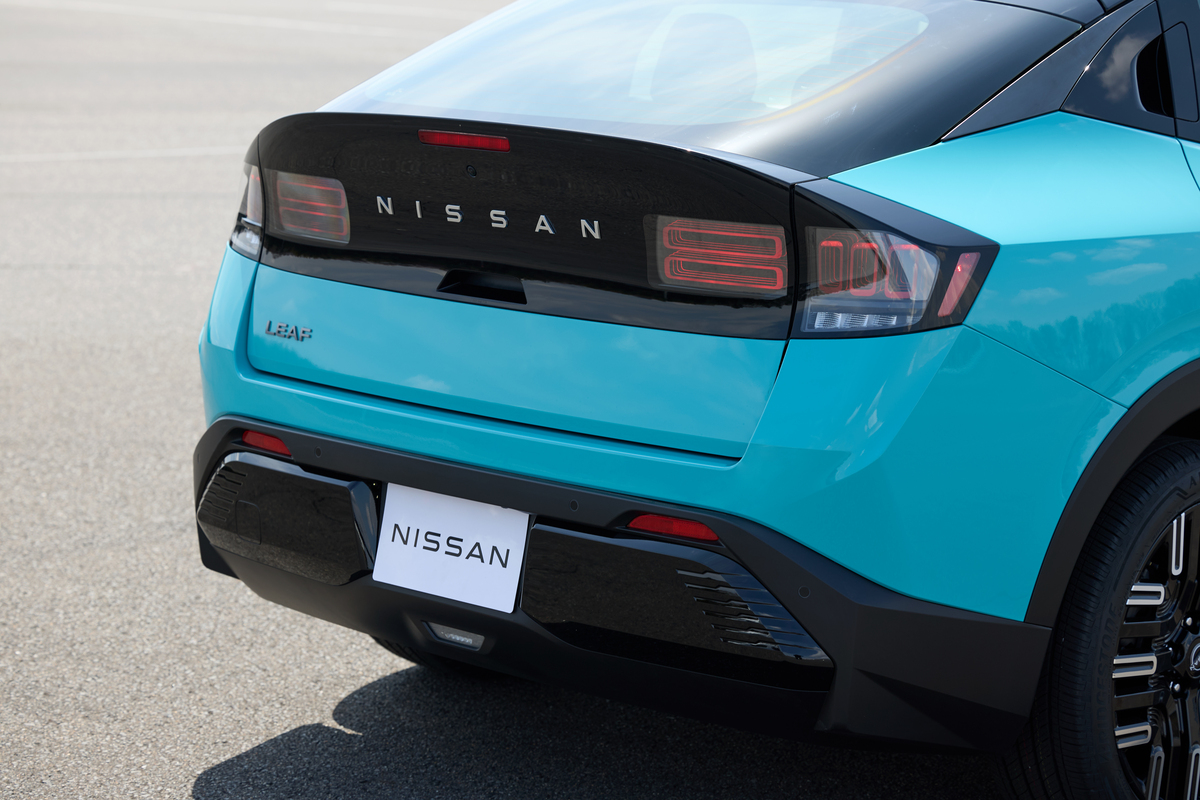
Christian Spencer, Nissan’s senior manager of marketability, said the development process benefits from shared proving grounds and cross-segment expertise. “Using the same dynamic performance experts and tuning strategies helps ensure consistent quality in every car,” he said.
To improve charging access, the 2026 Leaf will be equipped with both North American Charging Standard (NACS) and J1772 ports. Nissan said this decision reflects customer feedback from the model’s 15-year history. Engineers also tested the vehicle in varied North American conditions, from Arizona summers to Canadian winters, to validate reliability.
See also: Next-Gen 2026 Nissan LEAF to Provide Over 300-Mile Range, Faster Charging
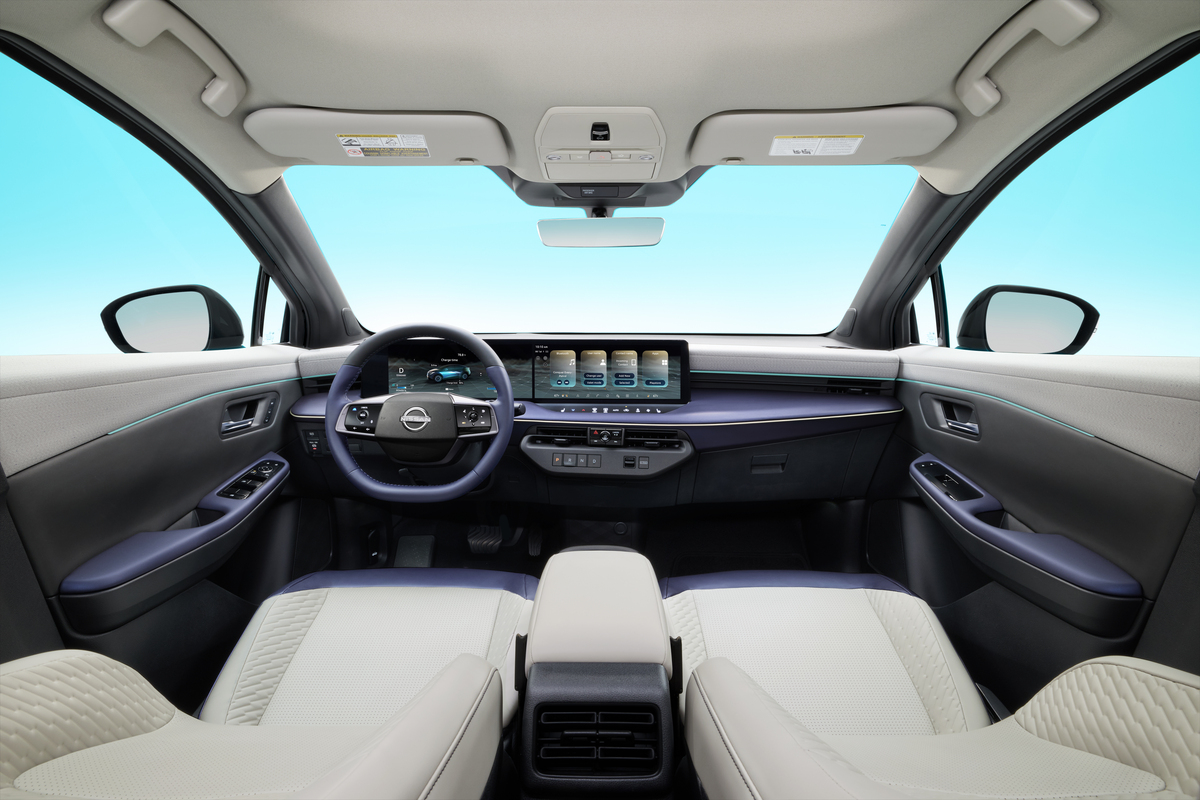
The Leaf S+ will debut at a starting MSRP of $29,990, positioning it as an affordable EV option in the U.S. market. Nissan said the combination of performance tuning, enhanced comfort and dual charging compatibility underscores its aim to make the Leaf competitive in a crowded EV segment.