
Mobileye said on Monday its Mobileye Drive™ autonomous system is moving from pilot programs to scalable deployment, supported by new technology and partnerships aimed at expanding Mobility-as-a-Service (MaaS) solutions such as robotaxis, ride-sharing and ride-pooling.
The company said initial pilots are operating in Norway, Germany and the United States, using NIO vehicles with human safety operators to refine on-demand shuttle services and build ecosystem readiness. The first-generation system relies on a sensor suite of cameras, radar, lidar and EyeQ™5 processors.
See also: Mobileye Raises 2025 Revenue Outlook as Self-Driving Chip Demand Rebounds
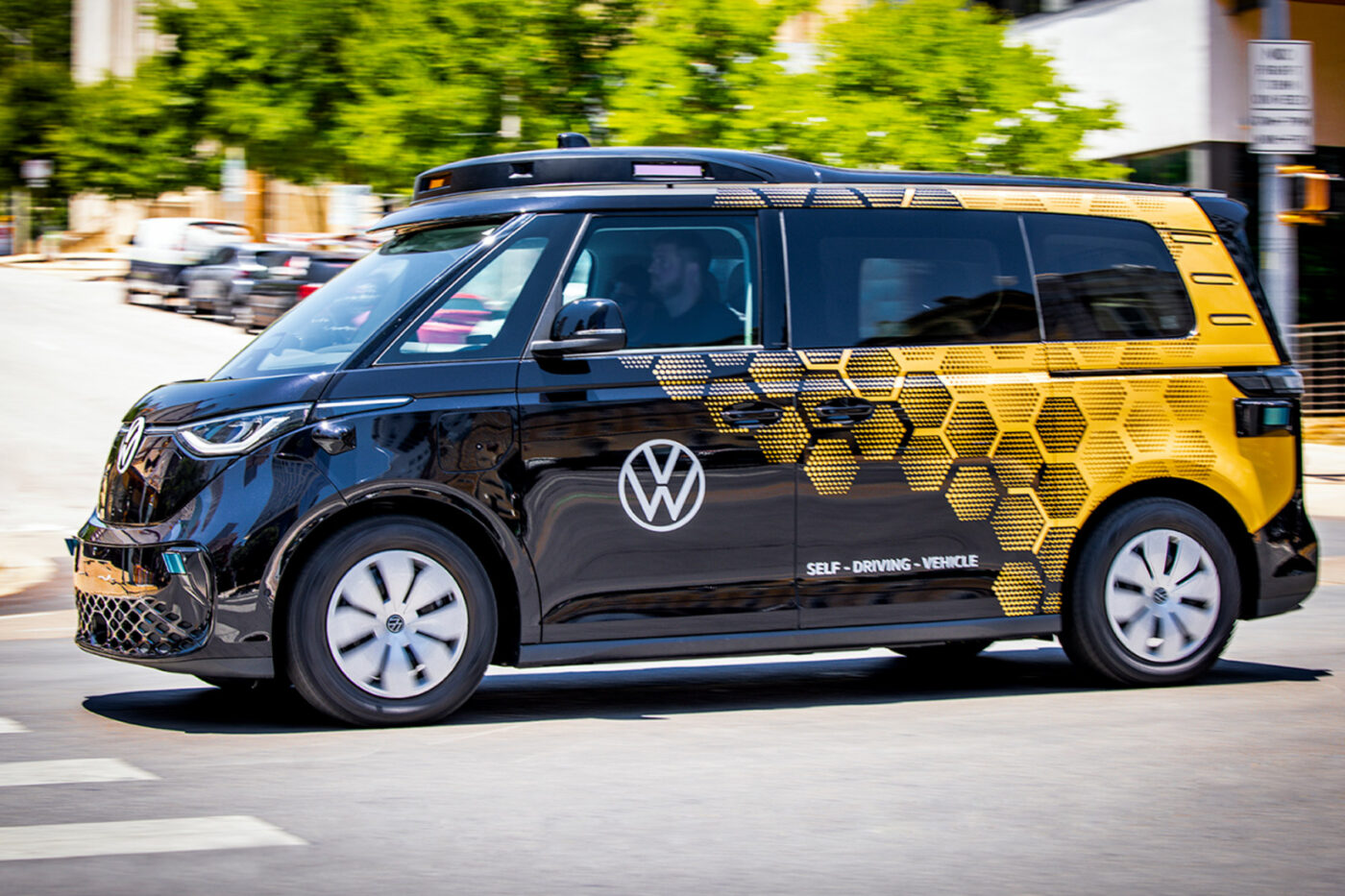
Mobileye said its second-generation platform will enable production-scale deployment, featuring Volkswagen ID.Buzz vehicles equipped with four EyeQ™6H chips.
The upgraded system integrates Mobileye Imaging Radar™, optimized algorithms and Compound AI for improved environmental mapping and decision-making. A new Primary Guardian Fallback AI system adds redundancy to support high-performance autonomous operations.
See also: Mobileye Tailors Driver Assistance Systems for Indian Road Conditions
The company said these efforts are designed to accelerate the transition from limited pilots to reliable, large-scale MaaS deployments. By mastering real-world challenges including local driving norms, customer experience, and vehicle maintenance, Mobileye aims to advance the broader adoption of autonomous mobility.