
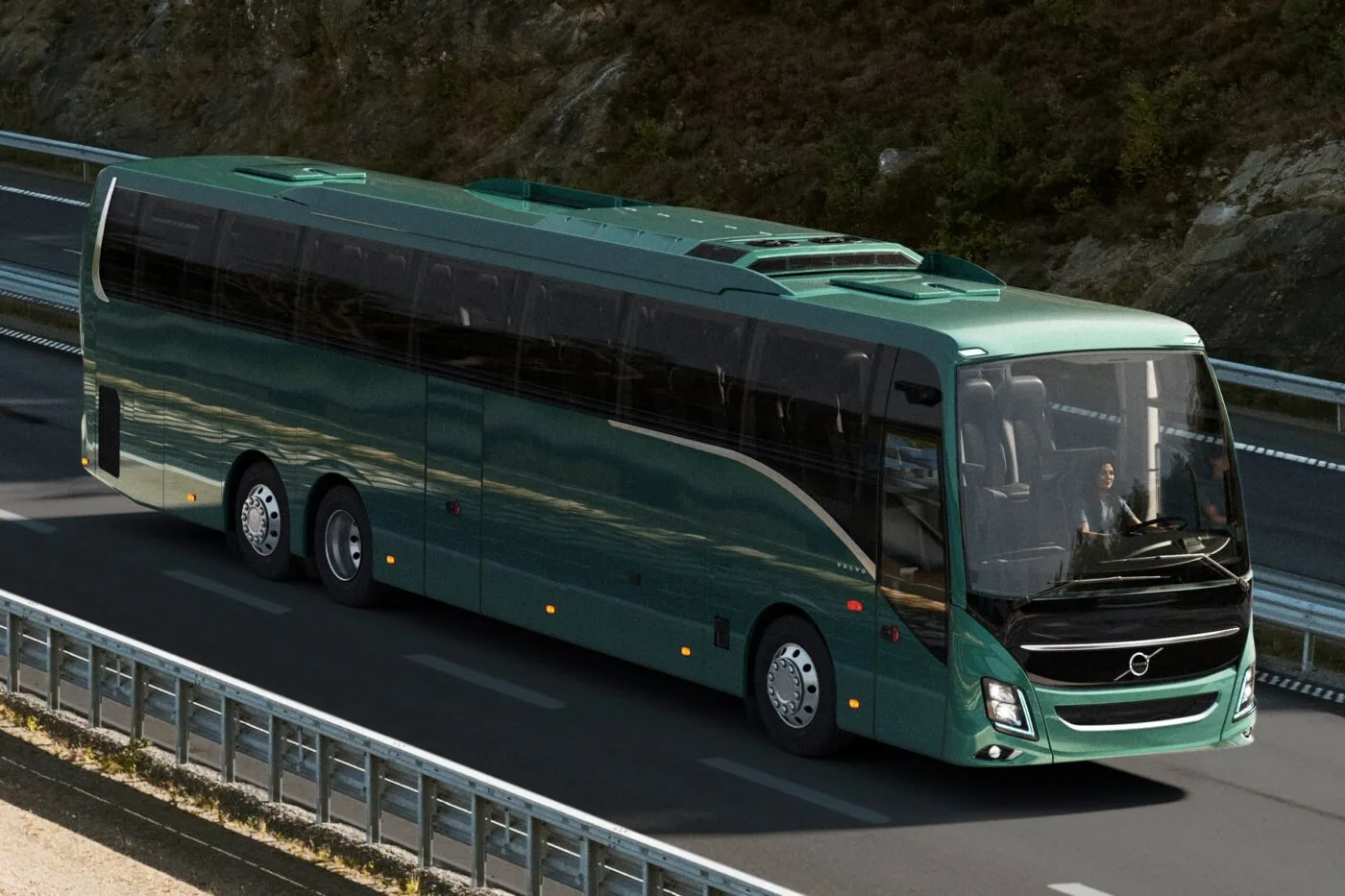
Volvo Buses has introduced a new coach chassis based on its BZR electric bus platform, extending the company’s electric offering into long-distance travel with a battery capacity of up to 720 kWh and a range of up to 700 kilometres. The first units are reserved for customers in Nordic countries and the Benelux region, Volvo said.
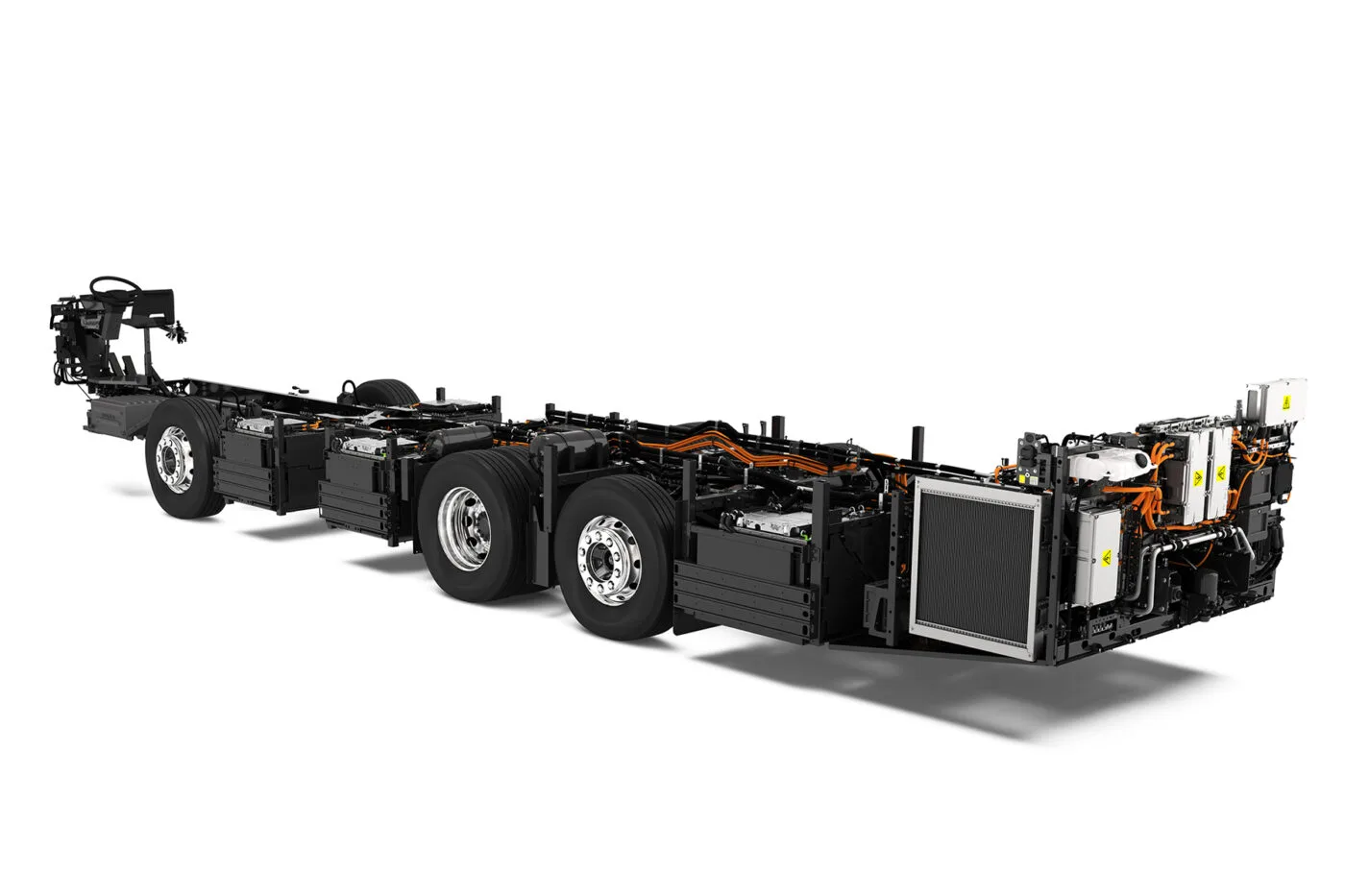
The new chassis builds on the BZR Electric architecture first launched in 2024 with the Volvo 8900 Electric intercity bus, which initially supported up to 540 kWh. By expanding capacity to eight 90-kWh battery packs, the updated coach chassis marks a new high point for Volvo Buses. The batteries, produced by Volvo Trucks and already used in its heavy-duty e-trucks, employ NCA chemistry and weigh about 535 kilograms each.
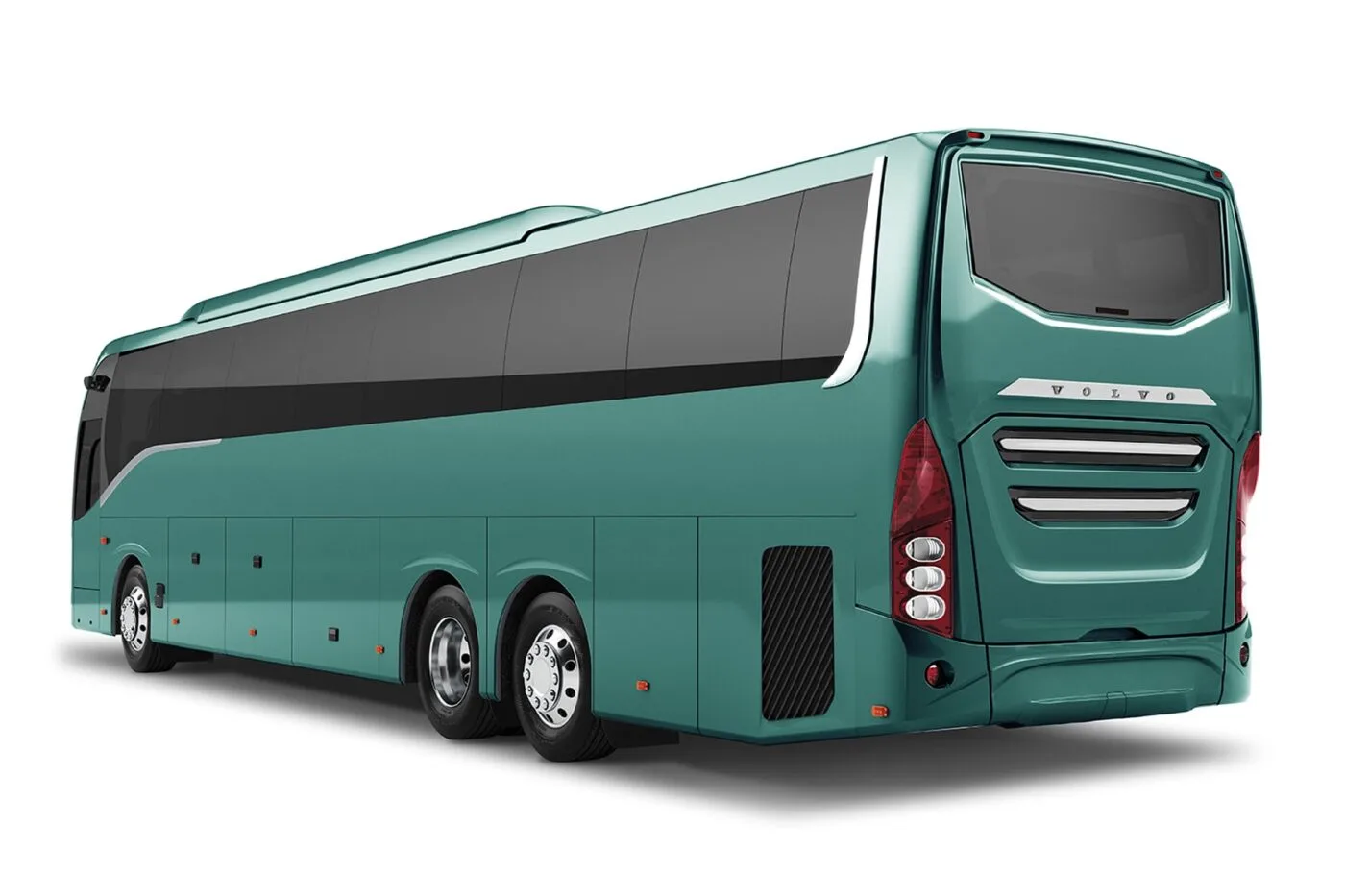
Volvo highlighted that the coach chassis can be configured in 4×2 or 6×2 axle versions, with vehicle lengths ranging from 9.5 to 14.9 metres and gross vehicle weights of up to 27.2 tonnes. The drive system remains available in 200 kW single-motor or 400 kW dual-motor variants, paired with a two-speed automated gearbox. Charging options include depot charging via cable with up to 250 kW DC on either side of the vehicle or opportunity charging via the OppCharge interface with up to 450 kW DC.
“This is an electric coach chassis capable of longer journeys with fewer charging stops and greater operational versatility – enabling long interregional routes that were previously not viable for electric coaches,” Volvo said in a press release. Anna Westerberg, President of Volvo Buses, added: “It enables new routes and gives operators greater versatility. We are proud to present a solution that makes sustainable travel accessible to more people on more routes.”
The company said the first Volvo BZR Electric coach chassis has already been bodied by Finnish manufacturer Carrus Delta and will be delivered to customers in Northern Europe. Depending on local market conditions, bodies will also be supplied by other builders. Volvo Buses also revealed specifications for a model designated the BZR Electric CD, featuring a 6×4 axle layout, the full 720 kWh battery capacity, and lengths of 13.3 to 14.9 metres.
Volvo noted that its latest development underscores a broader push towards greater range in commercial electromobility. In parallel with its bus business, Volvo Trucks is preparing to launch a successor to the FH Aero Electric in 2026 with a 780 kWh battery pack capable of up to 600 kilometres of range. Although sharing the same eight-pack configuration, the truck will employ different batteries from those in the coach platform.
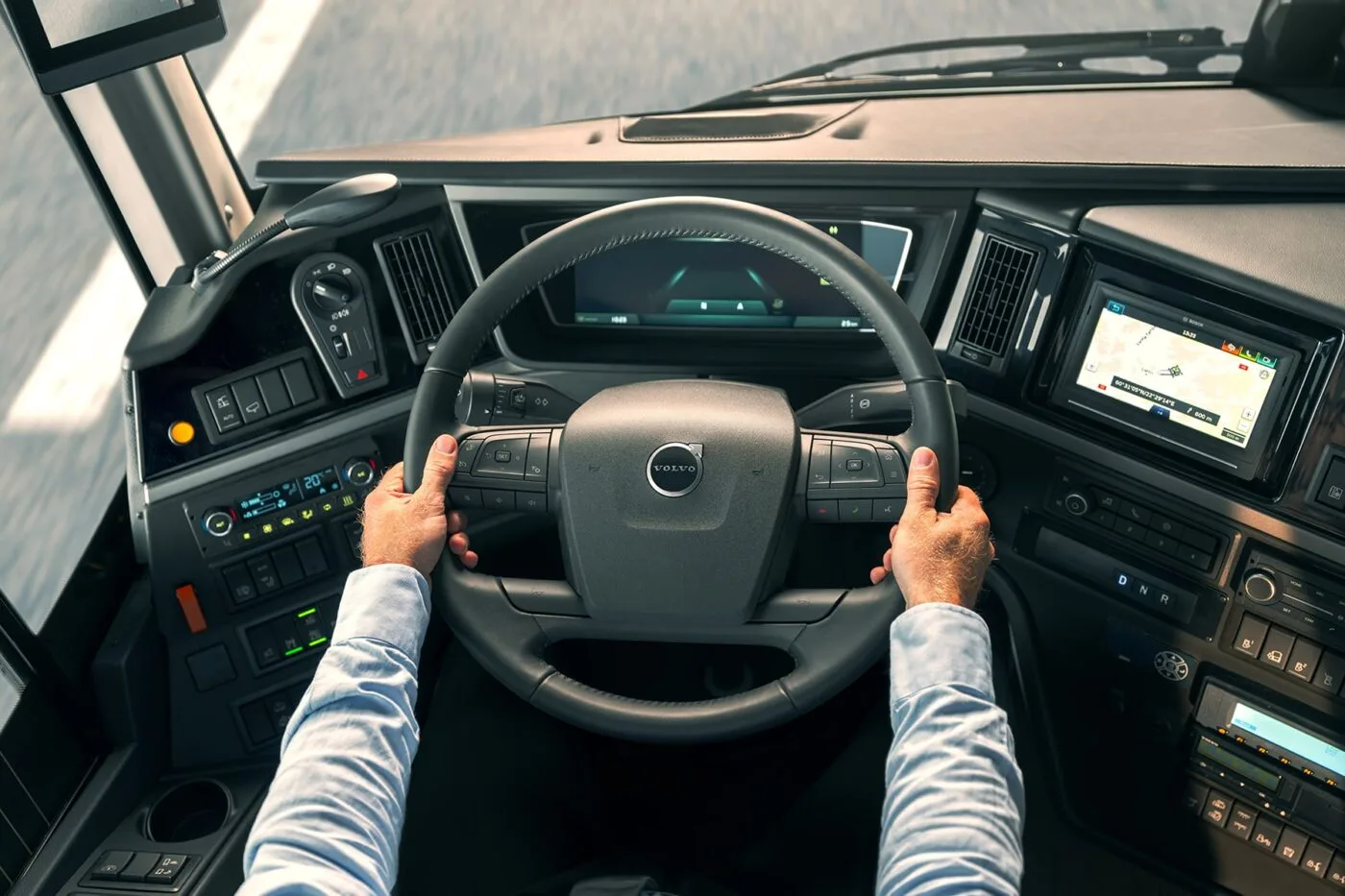
The company framed the new chassis not only as an advance in range but also in environmental performance. “With responsibly sourced materials and a product built to last, we minimize the life-cycle footprint. And we do this while delivering comfort, efficiency, and the highest safety standards for both everyday commuting and long-distance journeys,” Volvo said.
The BZR Electric platform was first unveiled in March 2024 as part of the Volvo Group’s joint e-mobility architecture, following earlier developments such as the BZL Electric chassis for single- and double-decker buses in 2021. More recently, Volvo Buses also began production of its BZRT chassis for articulated and bi-articulated city buses up to 28 metres long, which similarly support the 720 kWh battery setup.