
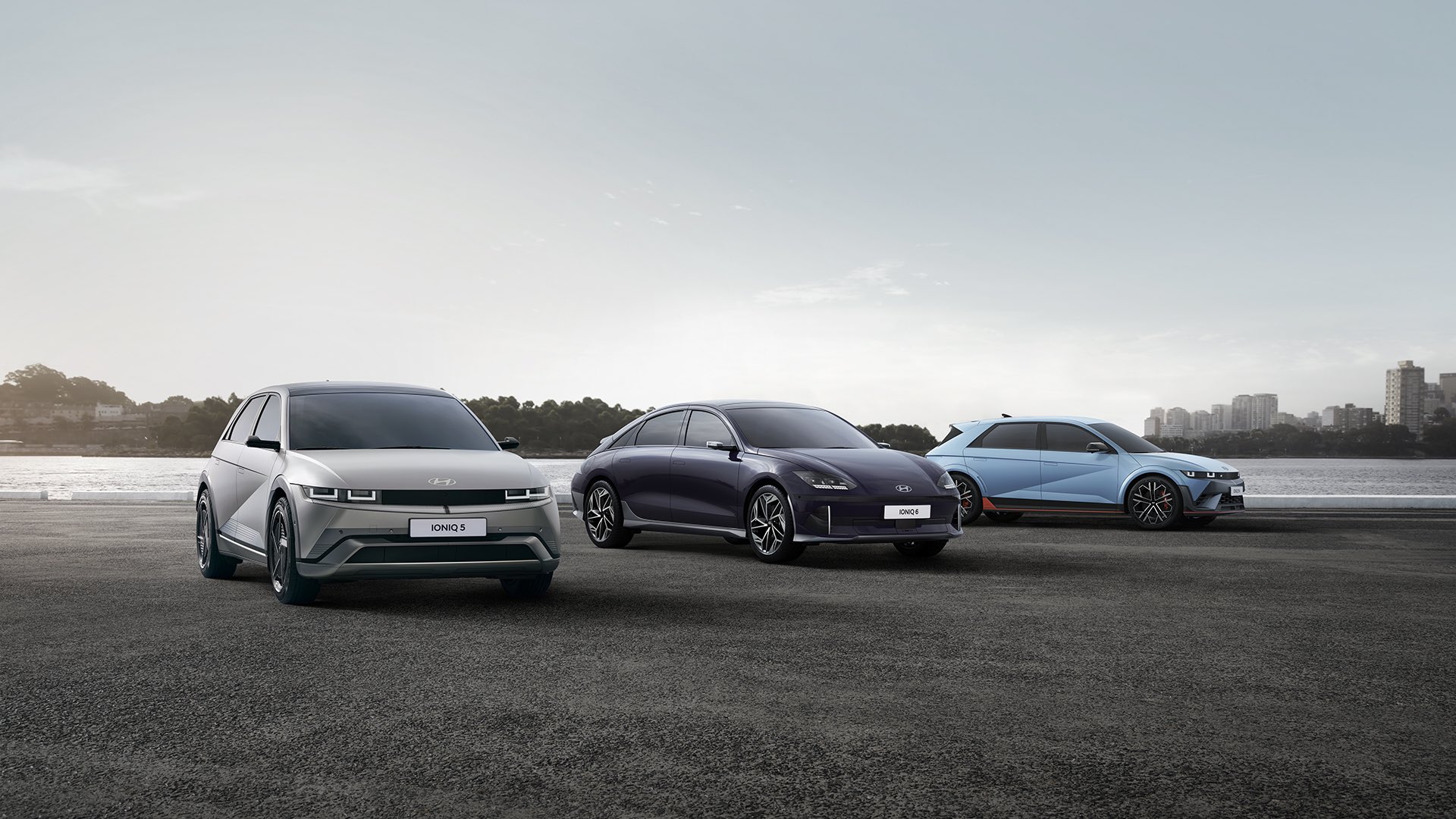
Hyundai Motor on Wednesday unveiled an ambitious “2030 Vision” strategy at its investor event, laying out a broad product roadmap that spans pickups, high-performance vehicles, hybrids, and range-extended electric vehicles (EVs). The plan underscores the automaker’s bet on electrification and diversification as it targets global sales of 5.55 million vehicles by the end of the decade.
In North America, Hyundai will enter the lucrative mid-size pickup market by 2030 with its first body-on-frame truck, positioning it against rivals such as General Motors’ Chevrolet Colorado and GMC Canyon, Ford Motor’s Ranger, Toyota’s Tacoma, Nissan’s Frontier, and Stellantis’ upcoming Ram Dakota. Hyundai executives said the model builds on lessons learned from the smaller Santa Cruz, launched in 2021, and hinted at a rugged SUV spin-off. “We have gained valuable experience and brand presence since launching Santa Cruz,” CEO Jose Munoz said, adding that Hyundai sees the pickup segment as “one of the largest in the industry.”
Performance also remains central to Hyundai’s strategy, with its N sub-brand set to expand to more than seven models by 2030, including the newly announced Ioniq 6 N. The company expects global N sales to surpass 100,000 units annually. On the hybrid side, Hyundai will grow its lineup to over 18 models, while broadening its commercial portfolio in North America with an electrified van, the hydrogen-powered XCIENT fuel cell truck, and Translead trailers.
Globally, the automaker is pursuing regionalized EV strategies. Europe will see the launch of the mass-market Ioniq 3, India will get its first locally designed EV, and China will gain a new C-segment electric sedan alongside the recently revealed Elexio SUV. Starting in 2027, Hyundai will introduce its first range-extended EVs, which it says can deliver more than 600 miles (966 km) of driving range with less than half the battery capacity of conventional EVs. These models will be powered by in-house batteries that combine high performance with cost efficiency, aiming to ease consumer concerns over range anxiety.
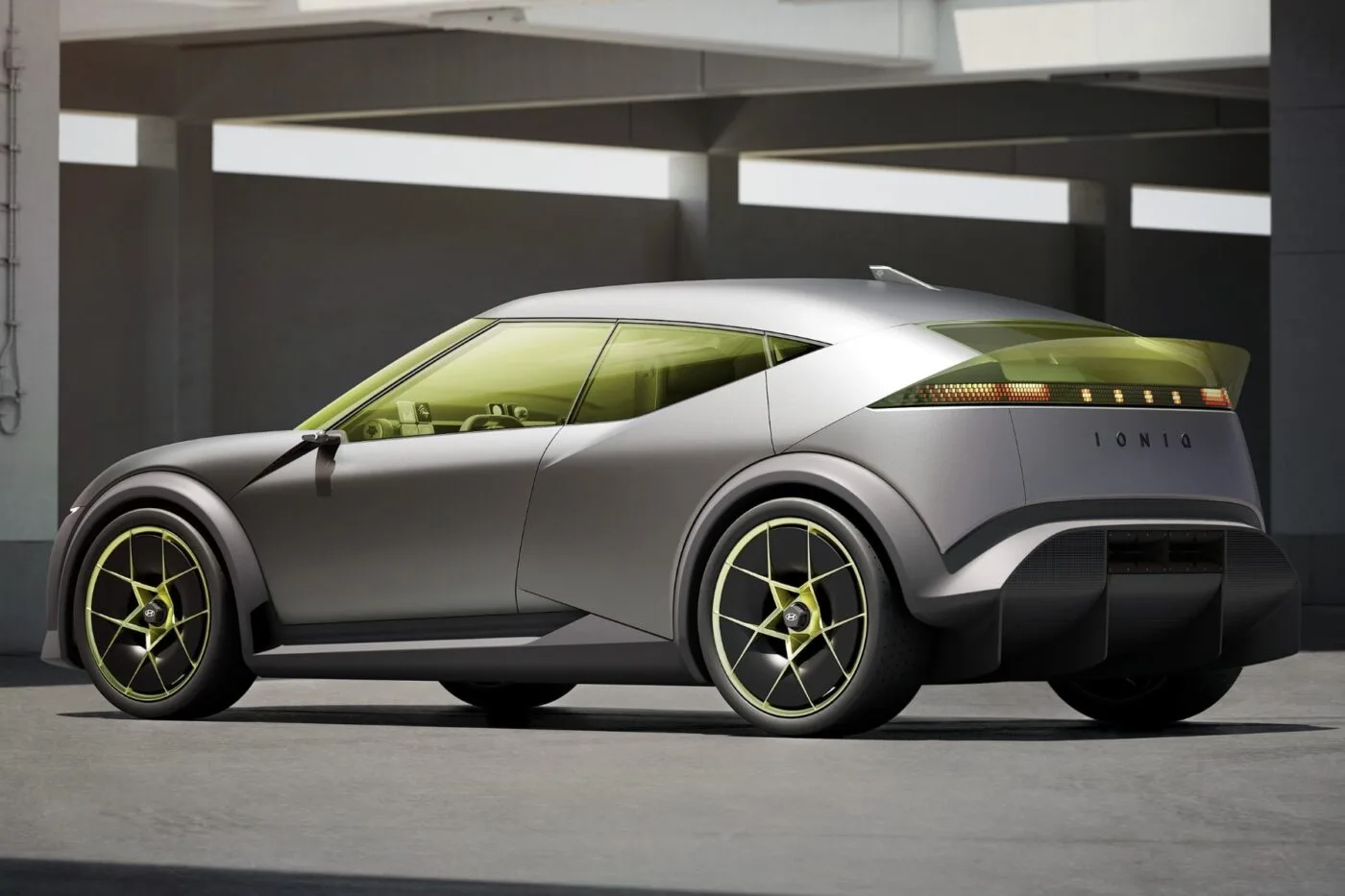
Technological upgrades are also in the pipeline. A cloud-based battery management system will debut in 2026, designed to collect real-world data for faster diagnostics. Next-generation batteries arriving in 2027 are expected to be 30% cheaper, deliver 15% higher energy density, and cut charging times by 15%. For commercial vehicles, Hyundai is developing new fuel cell systems that promise greater efficiency, durability, and power output.
Luxury arm Genesis will expand with hybrids, EVs, and range-extended models, supported by a new multi-energy platform. Its first hybrid arrives in 2025, while long-term goals include annual sales of 350,000 units by 2030. The brand plans wider reach in the U.S., Europe, Korea, China, the Middle East, and emerging markets, with a presence in up to 20 European markets. Genesis also signaled ambitions in ultra-luxury segments with “ultra-bespoke” vehicles.
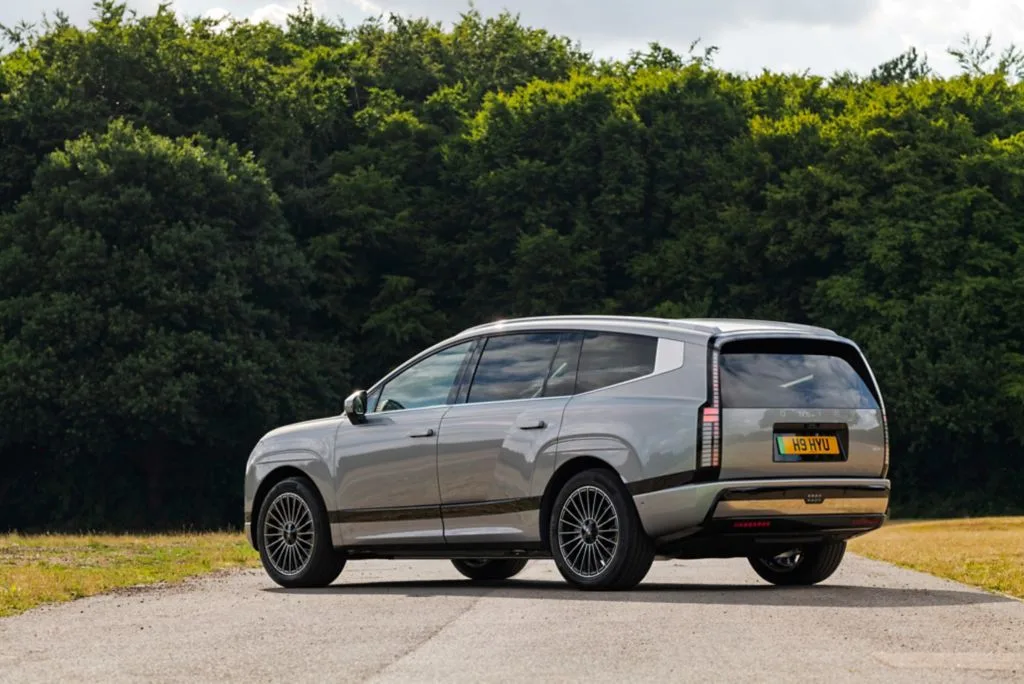
Hyundai’s growth will also be underpinned by local production. In the U.S., the $2.7 billion Metaplant in Georgia will increase annual capacity to 500,000 units by 2028, with hybrid models joining the Ioniq 5 and Ioniq 9 on the production line. The expansion is expected to create 3,000 jobs and raise the proportion of U.S.-made vehicles sold domestically to more than 80% by 2030, with local supply chain content climbing from 60% to 80%.