
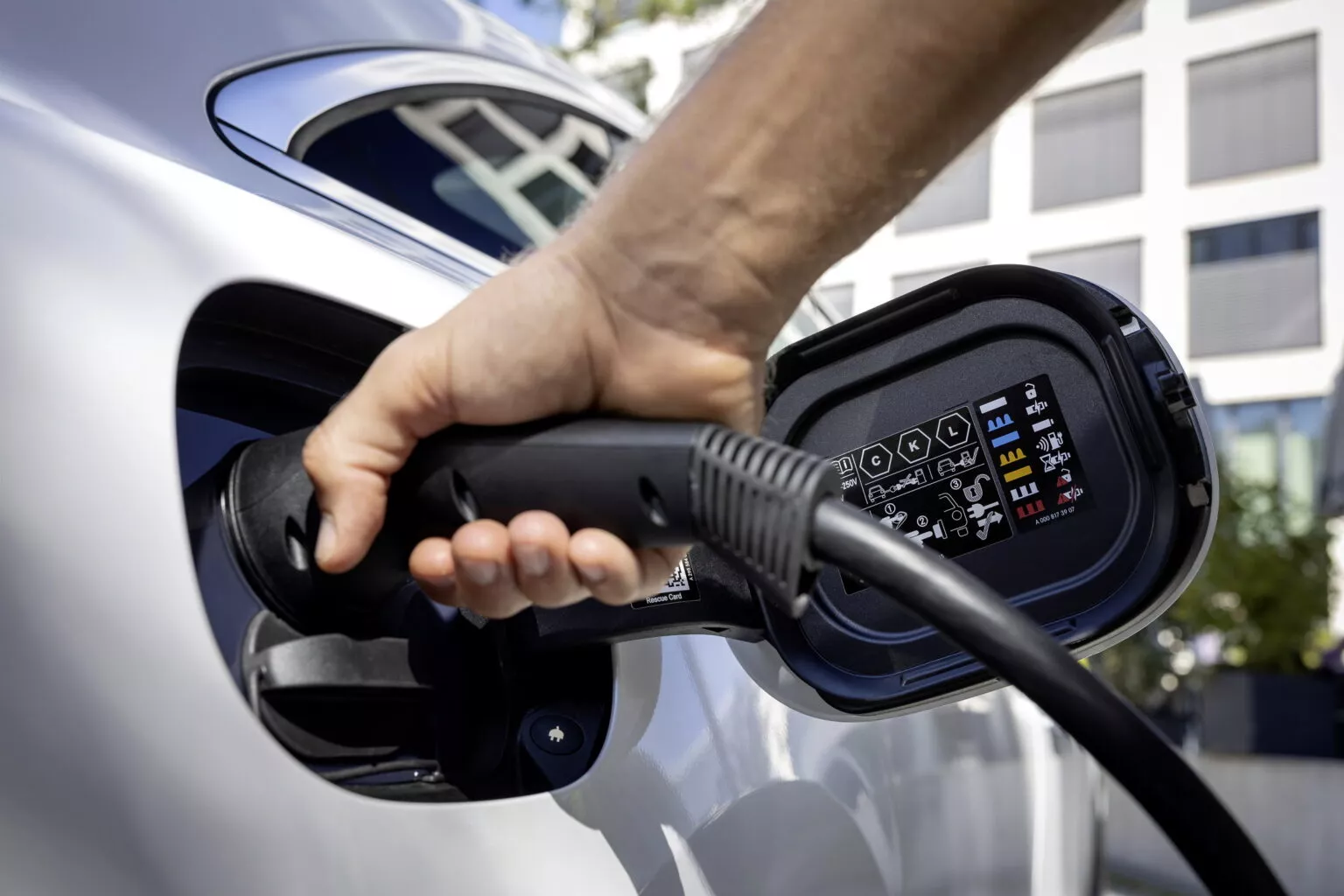
Europe’s electric vehicle (EV) transition is progressing steadily, with battery electric cars gaining market share and production scaling rapidly, according to a new report by the International Council on Clean Transportation (ICCT). The assessment, released ahead of the European Commission’s review of the EU’s CO₂ standards, highlights the strides made since the Dieselgate scandal a decade ago.
“Our report concludes that Europe’s electric vehicle transition is on track and accelerating,” said Dr. Peter Mock, ICCT Europe Director. “Carmakers are just 9 grams away from their next CO₂ target in 2027. The preferred strategy to hit this goal on schedule is selling more battery electric cars, and this comes as no surprise: battery costs are plummeting, charging infrastructure is expanding, and battery electric cars are becoming cleaner faster than expected.”
See also: Battery Electric Cars Emit 73% Less Than Gasoline Vehicles in Europe, ICCT Finds
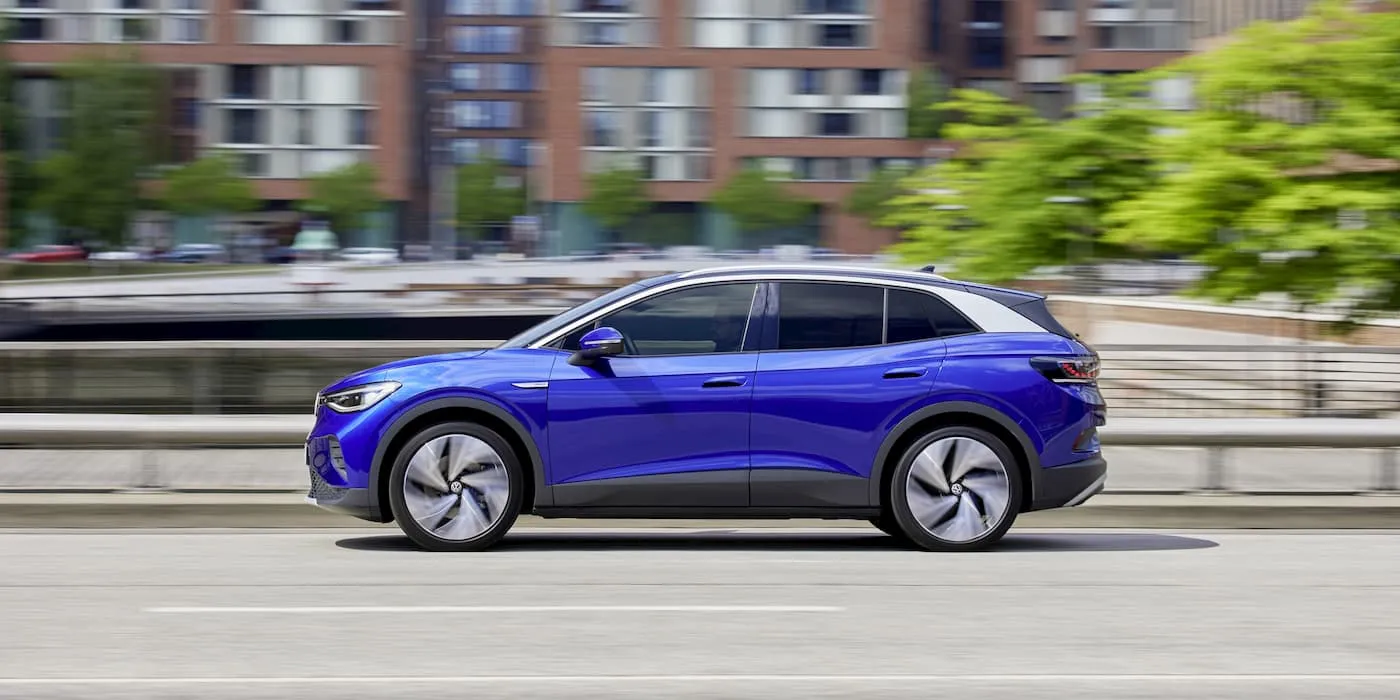
Since 2015, EU production of electric cars has grown from roughly 80,571 units to 2.35 million at the end of 2024. In the first half of 2025, fully electric vehicles captured a record 17% market share across Europe. Public charging infrastructure has expanded by over 45% annually since 2020, reaching 1 million charge points as of July 2025, surpassing projected growth rates needed to support the transition.
“The analysis concludes that public charging is generally being deployed at a sufficient pace, with differences between countries mirroring differences in EV adoption,” noted Marie Rajon Bernard, ICCT Senior Researcher and lead author of the report.
See also: ICCT Report Reveals CO2 Reduction Targets for Major Automakers Ahead of EU 2025 Regulations
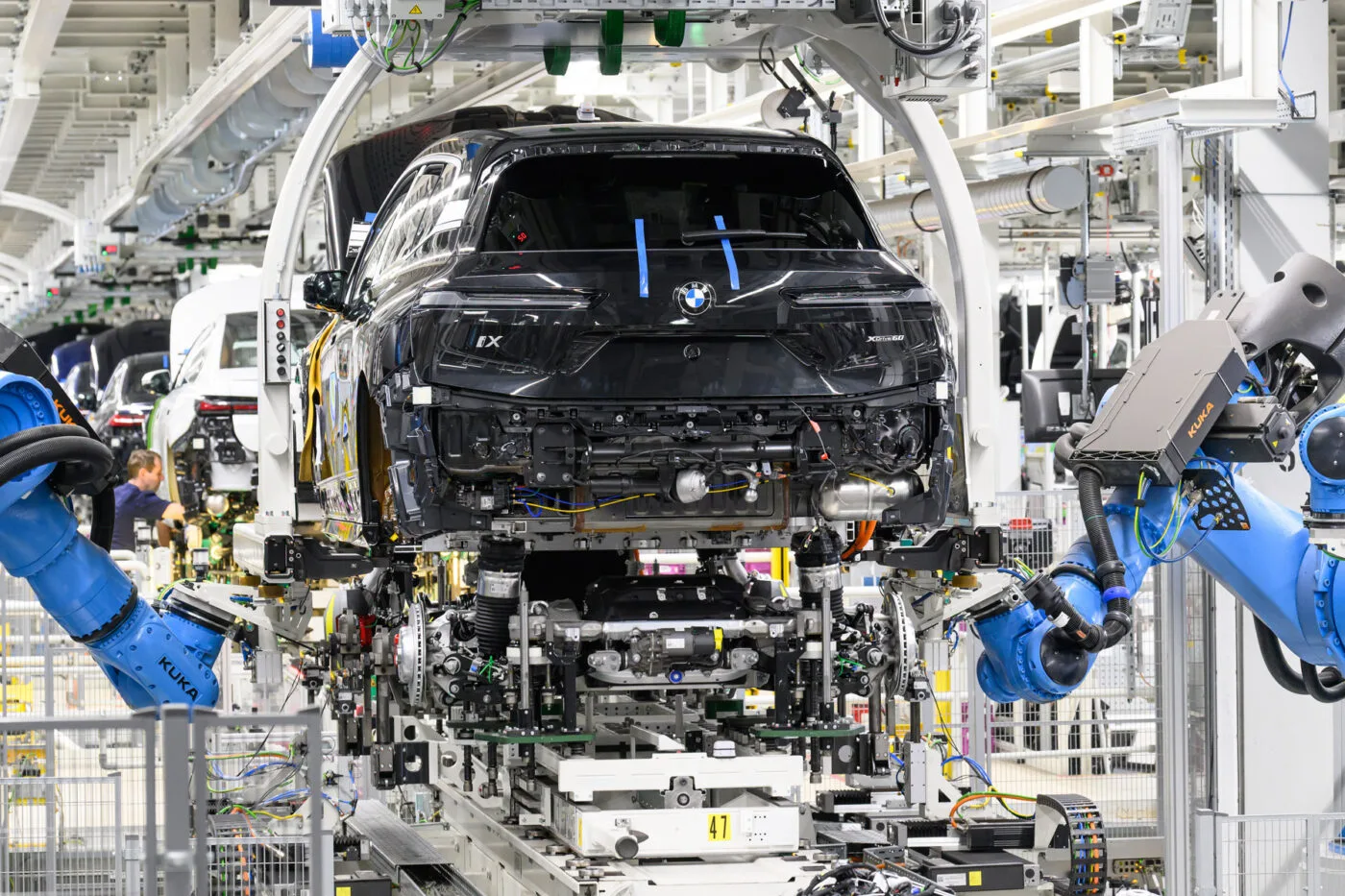
The ICCT report underscores the continued need for a strong European battery industry to sustain competitiveness globally. While nearly half of EVs produced in Europe already use domestically sourced batteries, the growing demand presents significant opportunities for industrial growth.
Dr. Mock added, “What matters now is keeping the transition on course — without delays or detours. Policy and industry hesitation can only erode investors and consumers’ confidence in the transition while China-based carmakers gain ground.”