
A four-year European research project has developed new conductive additives for battery electrodes that could lower the carbon footprint of lithium-ion batteries while improving their performance, according to its organisers.
Launched in 2021, the HiQ-CARB project focused on replacing conventional fossil-based conductive carbon black with a combination of carbon nanotubes (CNTs) and acetylene black derived from renewable raw materials. Researchers say the blend increases conductivity, enabling manufacturers to use less additive in electrodes, which could make batteries lighter, cheaper and more powerful.
“The project work included developing the most effective composition for the new conductive additives, scaling up production processes, comprehensive material assessments and a life cycle analysis (LCA) conducted by the University of Bordeaux,” the initiators said. Partners included Fraunhofer ISC, Aalto University and German battery maker Customcells.
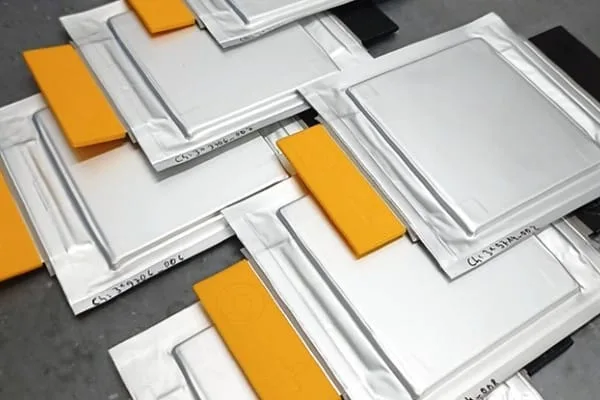
Customcells tested the additives in its own production facilities, replacing fossil-based carbon black without major process changes. “The carbon-based HiQ-CARB additives could be easily integrated into our existing production processes without any significant changes. We achieved very homogeneous coating patterns, which convinced us of their quality,” said Jan Majchel, a project partner from Customcells.
The project’s interdisciplinary consortium also carried out pilot-scale evaluations to ensure industrial compatibility. Fraunhofer ISC said the results mark “significant progress in the sustainability and performance” of lithium-ion batteries, with potential benefits for Europe’s battery manufacturing sector.