
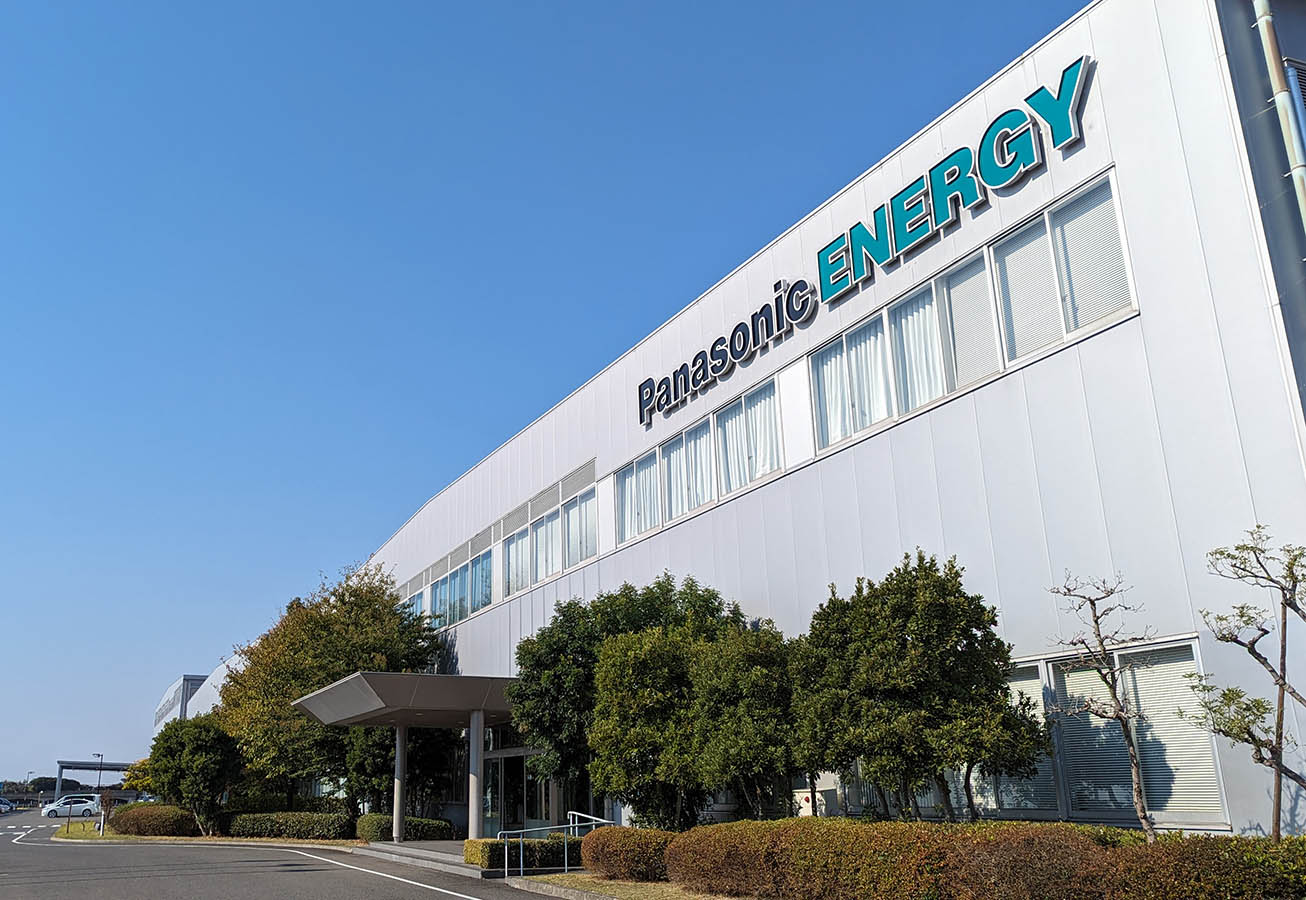
Panasonic reported a 47% increase in first-quarter operating profit at its energy unit on Wednesday, driven by rising demand for data centre storage systems, as the company contends with a challenging outlook for electric vehicle (EV) batteries in North America.
Operating profit at the unit, which supplies batteries to Tesla (TSLA.O) and other automakers, rose to 31.9 billion yen ($215.6 million) in the April–June quarter. While EV demand faces pressure from U.S. trade policies and the winding down of tax credits, growth in energy storage systems helped offset those challenges.
“Demand for energy storage systems for data centres is growing more than anticipated,” the company noted in a presentation slide, citing a surge in AI-related infrastructure investment as a key driver behind the gains.
Panasonic maintained its full-year operating profit forecast for the energy segment at 167 billion yen, but signalled a possible revision to its EV battery shipment targets. Group Chief Financial Officer Akira Waniko said on a conference call it “seems inevitable” that the company will lower its sales projection of 46 gigawatt hours (GWh) of EV batteries in North America for fiscal 2025/26. However, he added the figure would still surpass the 38.1 GWh shipped in fiscal 2024/25.
In May, Panasonic Holdings announced plans to cut 10,000 jobs and book 130 billion yen in restructuring costs, part of a broader strategy to improve profitability. The company said no restructuring charges were expected for its energy business.
Panasonic Energy currently operates a battery plant in Nevada and began production at a second U.S. facility in Kansas earlier this month. The unit also faces potential impacts from renewed U.S. tariffs under President Donald Trump’s trade policy. Panasonic said it would mitigate additional costs through price revisions.
The company continues to invest in battery innovations as it competes with Chinese firm CATL (300750.SZ) and South Korea’s LG Energy Solution (373220.KS), both of which are key players in the global EV supply chain. Last week, LG Energy warned of a slowdown in demand expected by early next year amid growing policy uncertainty.