
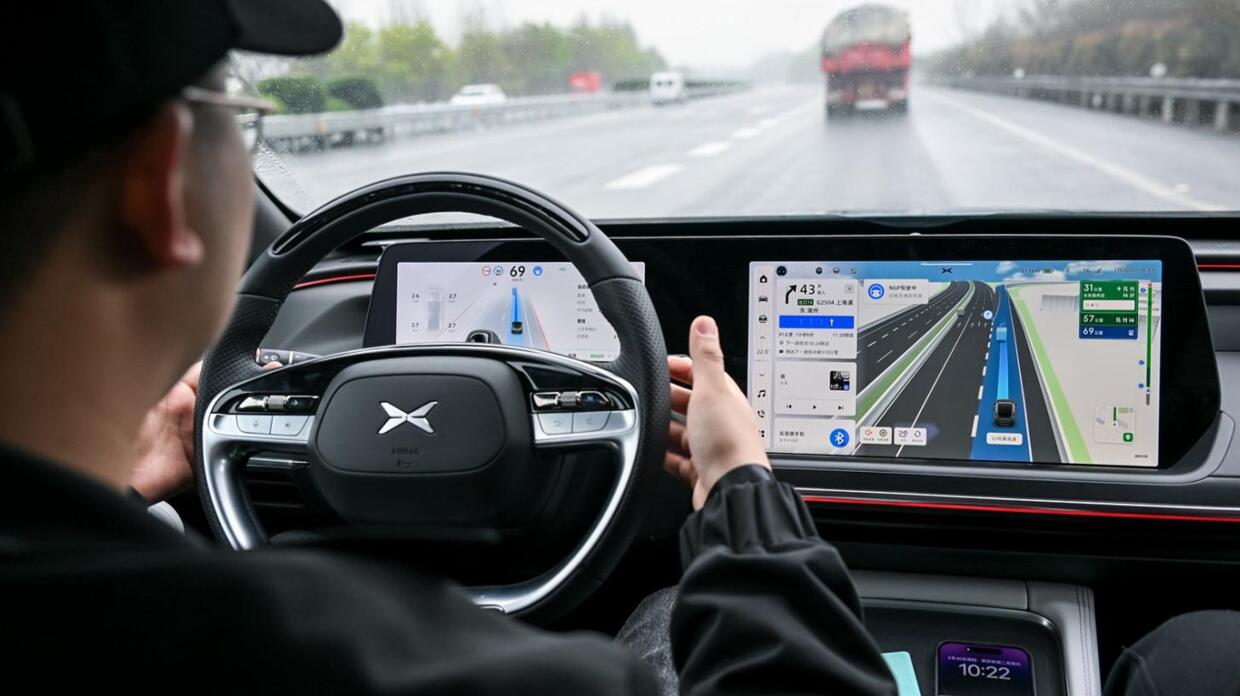
China’s Ministry of Science and Technology released a set of ethical guidelines for autonomous driving technology on Wednesday, underscoring the government’s efforts to tighten oversight of the rapidly developing sector. The new framework emphasizes user safety, transparency, and responsible data practices as essential components in the development and deployment of self-driving systems.
The guidelines require developers to “prioritize user safety” and “refrain from disseminating false or misleading information” when publishing research results, according to the ministry. They also mandate that algorithms and models related to autonomous driving be documented and made accessible, while data collection must be limited strictly to what is necessary to support driving functions.
The document further addresses legal liability in the event of an accident involving autonomous vehicles. Responsibility is to be assigned based on the level of automation—whether control resides primarily with the human driver or the automated system.
The new ethical standards follow an April decision by Chinese authorities to ban the use of promotional terms such as “smart driving” and “autonomous driving” in advertisements for driver-assistance systems. The move came after a fatal crash involving a Xiaomi electric vehicle drew heightened scrutiny over how advanced driving technologies are marketed and understood by consumers.
During a closed-door meeting with around 60 automakers earlier this year, the Ministry of Industry and Information Technology (MIIT) reinforced restrictions on misleading advertising. According to a transcript of the meeting reviewed by Reuters and confirmed by one attendee, the MIIT also reiterated regulatory requirements published in February regarding over-the-air (OTA) updates. Automakers were reminded that such updates must comply with strict guidelines, especially when they involve changes to driving-related functions.
Source: Reuters