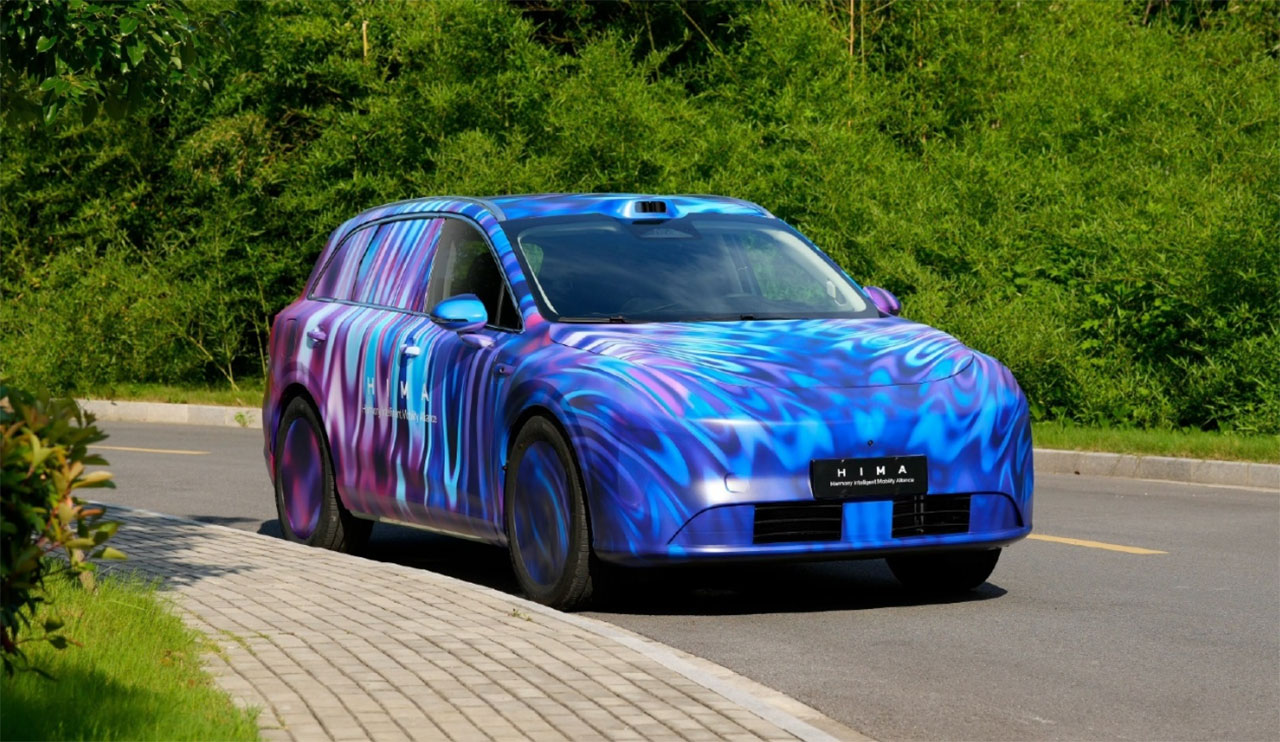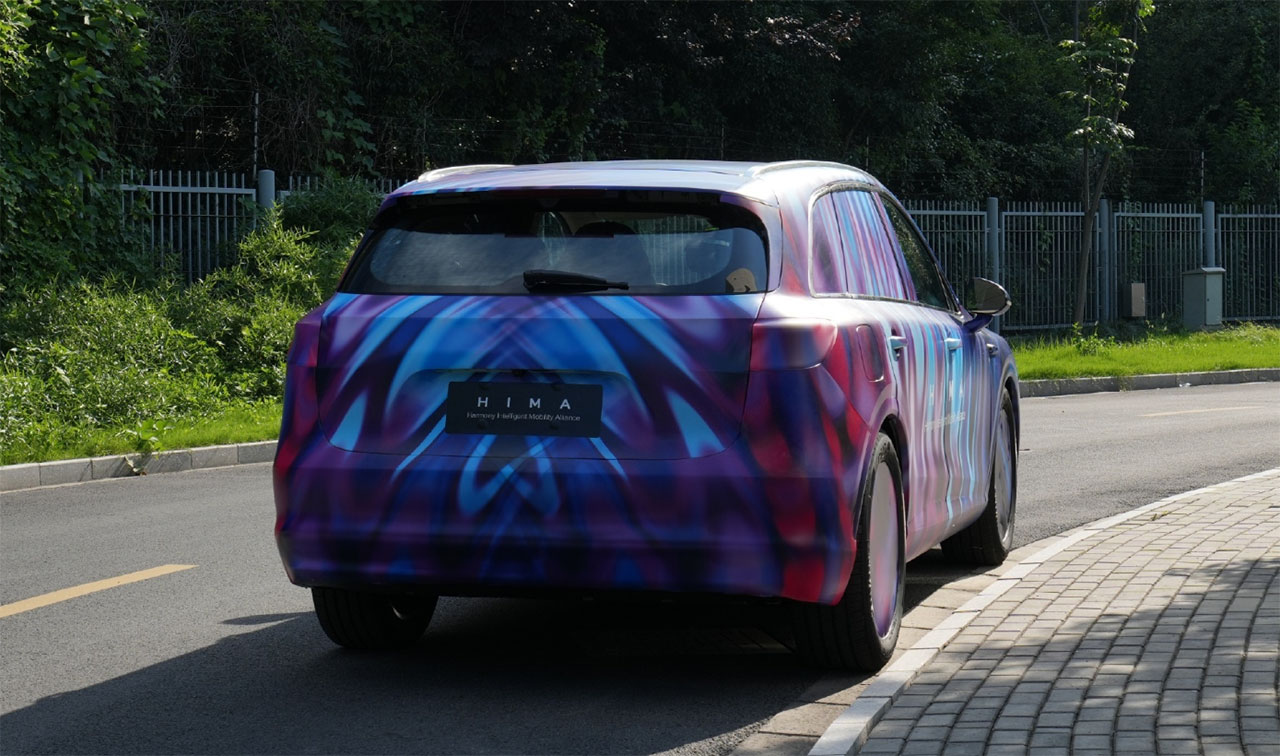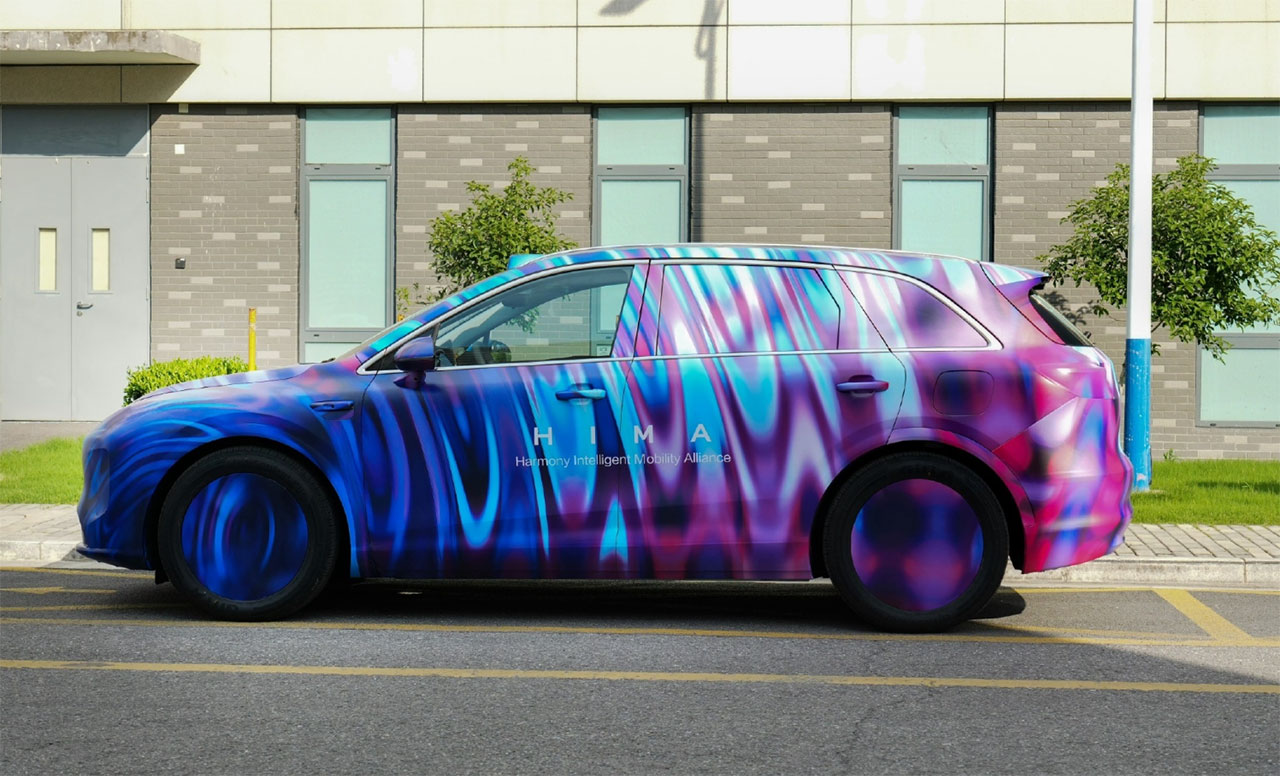
Shangjie, the new automotive brand jointly developed by Huawei and SAIC Motor, has begun previewing its first electric vehicle (EV), offering a glimpse of its upcoming SUV model ahead of its scheduled fall debut.
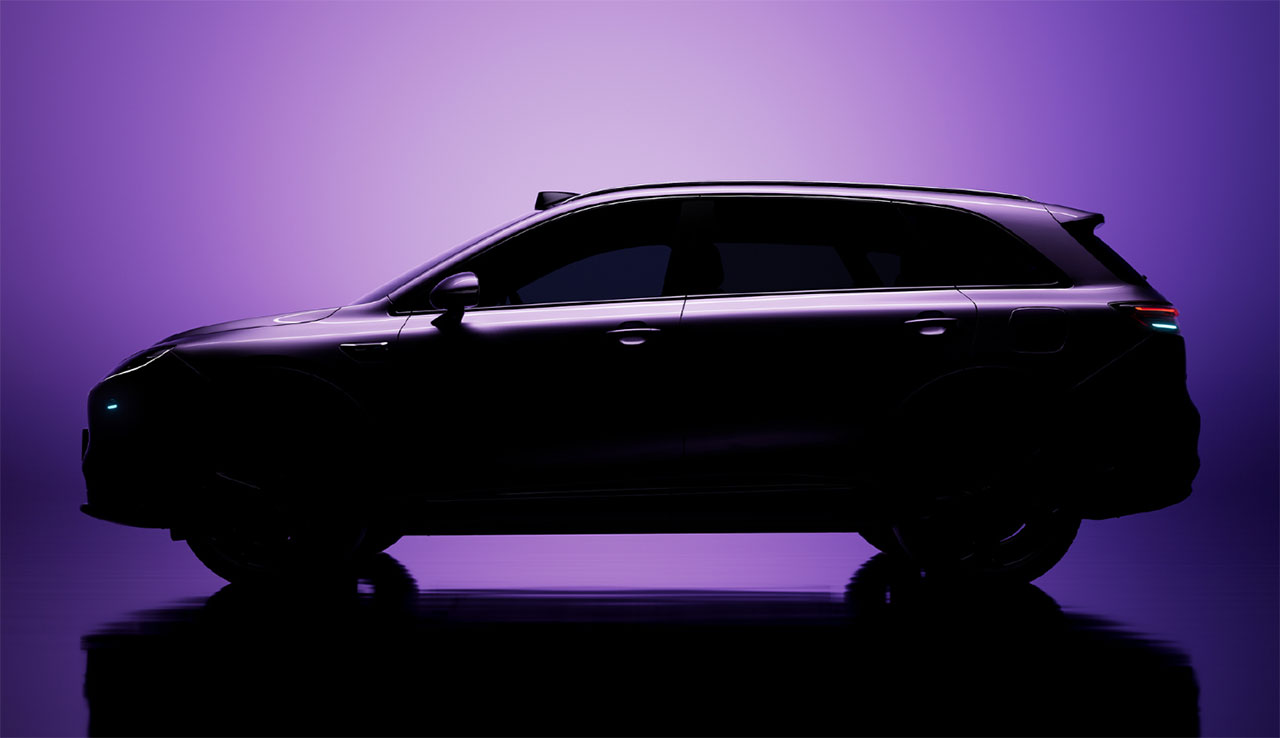
In its first Weibo post since the brand account went live last month, Shangjie shared a promotional poster featuring a silhouette of the new SUV. The image reveals that the vehicle will be equipped with LiDAR sensors on the roof—suggesting advanced driver-assistance capabilities—alongside design elements like a short front overhang and traditional door handles. The latter contrasts with the increasingly popular hidden handles on EVs in China, potentially signaling a more budget-conscious target market.
Huawei executive Richard Yu, who also serves as chairman of the company’s consumer business group, shared the post, reiterating that the vehicle will launch in the fall and will include what he described as “impressive smart driving capabilities.”
First introduced at Huawei’s Harmony Intelligent Mobility Alliance (HIMA) business product launch in April, Shangjie is the fifth automotive brand under the HIMA umbrella, joining Aito (Seres), Luxeed (Chery), Stelato (BAIC Group), and Maextro (JAC). HIMA currently offers eight vehicle models across its other brands.
Shangjie has received an initial investment of RMB 6 billion ($837 million) and will leverage SAIC Motor’s established production infrastructure. SAIC President Jia Jianxu said in April that the new brand would use SAIC’s most mature production lines initially, before transitioning to a dedicated facility in the future.
Although official pricing has not been confirmed, local media outlet Yicai reported in February that the model could start at around RMB 150,000 ($20,800), potentially making it the most affordable model within HIMA’s lineup.
Spy images circulating on Chinese social media also appear to show the model’s exterior styling in greater detail, aligning with the teaser poster’s design cues.
Shangjie’s entry comes at a time of heightened competition in China’s EV market, with a growing emphasis on smart driving features and affordability.