
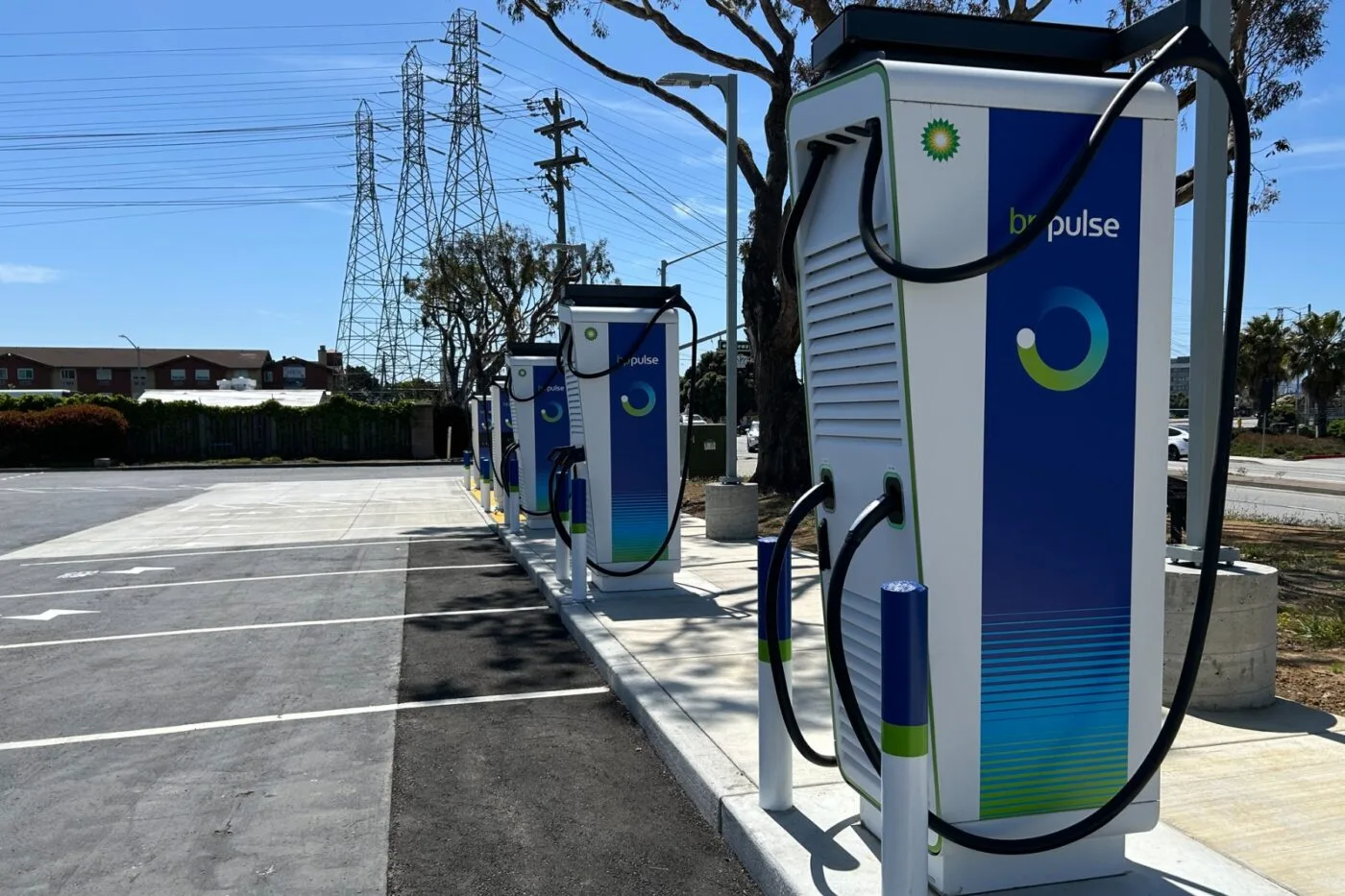
BP Pulse, the electric vehicle charging subsidiary of oil major BP, will withdraw from the UK’s commercial workplace charging market, opting instead to prioritize growth in consumer-facing EV hubs and forecourt installations. The company has informed existing customers of the strategic shift, which effectively halts any new workplace charging projects in the UK.
BP Pulse said it will continue to honour current agreements, including maintenance and warranty obligations. This includes its existing infrastructure deal with logistics provider DPD, signed in December, under which more than 31 sites were upgraded across cities such as Edinburgh, Glasgow, Leeds, Liverpool, and Middleton. Fleet customers, including those with fuel and charge cards, will still be able to access BP Pulse’s public charging network.
The company emphasized a renewed strategic focus. In a statement to Fleet News, a BP Pulse spokesperson said the move aligns with the brand’s aim of becoming “a simpler, more focused and higher value company.” The spokesperson added: “We’ll continue to focus on building on-the-go electric vehicle charging hubs and installing EV charging at our existing BP forecourts.”
It remains unclear whether BP plans to sell the workplace division or its associated infrastructure. Fleet News raised concerns that much of BP Pulse’s equipment may not be compatible with the Open Charge Point Protocol (OCPP), potentially complicating efforts by any successor to manage or upgrade existing systems. This has led to industry uncertainty regarding the long-term support for the infrastructure.
An unnamed fleet operator told Fleet News that reliability concerns remain: “Fleets have to take BP at their word that service levels will be maintained, there will be updates, superb maintenance response and management. If you’re relying on this infrastructure to operate your electric fleet, is that a chance you’re willing to take?”
The move comes as charging infrastructure providers navigate an increasingly competitive and capital-intensive EV market, prompting some to scale back in less profitable segments to concentrate on core operations.