
Hyundai’s luxury brand Genesis is preparing a major product push in 2026, aiming to launch five new models, though only one – the GV90 – will be fully electric. The strategy marks a shift from the brand’s previous commitment to transition exclusively to battery-electric vehicles (BEVs) starting in 2025.
According to local media reports, Genesis will supplement the GV90 launch with multiple hybrid electric vehicles (HEVs) and an extended-range electric vehicle (EREV), reflecting broader market demand for diversified powertrain options. The move also indicates a pause on Genesis’ earlier roadmap, announced in 2021, which had called for all new models from 2025 to be fully electric and for the final combustion engine to be phased out by 2030.
The flagship GV90, expected to compete with luxury electric SUVs such as the Mercedes EQS SUV and Cadillac Lyriq, will be built on Hyundai’s next-generation eM platform – a refined version of the current E-GMP architecture. The eM platform promises improved range, faster charging, and support for Level 3 autonomous driving. Additional premium features may include dual motors, air suspension, and rear-wheel steering. Production will be based at Hyundai’s EV-only plant in Ulsan, with a market debut scheduled for June 2026.
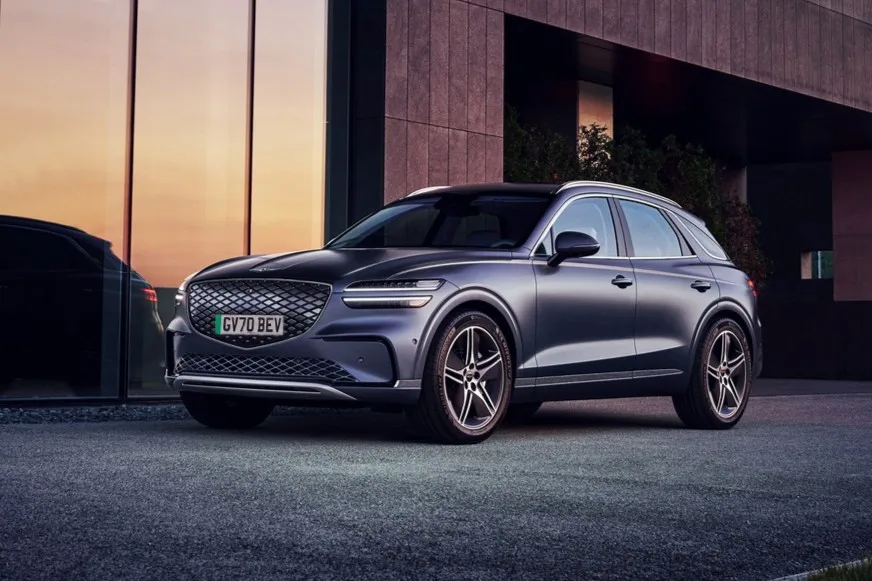
In addition to the GV90, Genesis plans to release a hybrid version of the GV80 large SUV in the third quarter of 2026, powered by a 2.5-litre engine. By the fourth quarter, the company expects to introduce two more electrified models: a hybrid G80 saloon and a GV70 equipped with EREV technology. The GV70 is already offered in a BEV configuration.
The EREV version of the GV70 is seen as a strategic response to infrastructure limitations in key markets such as North America and China. The setup includes a small battery and a combustion engine that acts as a generator, producing electricity when needed to extend driving range and reduce cost.
The hybrid expansion aligns with the broader Hyundai Motor Group strategy, which prioritises profitability and powertrain flexibility. The company forecasts hybrid vehicle sales of over 1.3 million units by 2028, positioning EREV as a transitional technology to support global electrification.
By maintaining a blend of BEV, HEV and EREV offerings, Genesis is adapting to diverse customer preferences and regional charging capabilities. The approach underscores a shift in the global automotive landscape, where many manufacturers now favour technological diversity over all-electric mandates.
Source: etnews.com, thekoreancarblog.com