
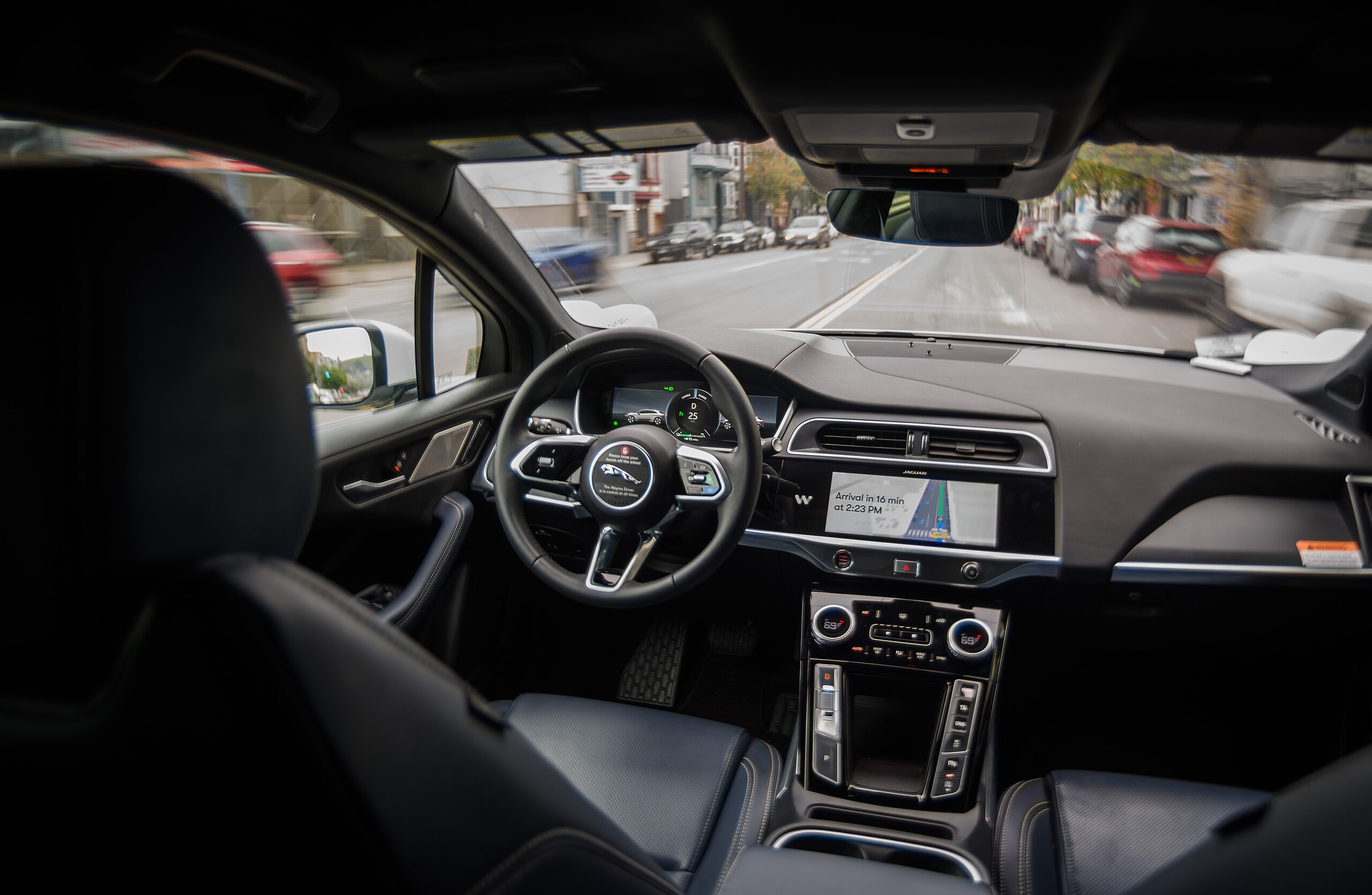
The National Highway Traffic Safety Administration (NHTSA) said on Friday it is streamlining the process for reviewing petitions by automakers seeking to deploy self-driving vehicles without traditional human controls such as steering wheels, brake pedals, or mirrors, in an effort to speed up the adoption of autonomous driving technologies.
NHTSA currently has the authority to approve up to 2,500 such vehicles per manufacturer each year, but the agency has been criticized for taking years to act on some exemption requests. The new approach is aimed at accelerating decisions and reducing regulatory bottlenecks.
“The exemption process has been bogging developers down in unnecessary red tape that makes it impossible to keep pace with the latest technologies,” U.S. Transportation Secretary Sean Duffy said in a statement.
To qualify for an exemption, manufacturers must demonstrate that their vehicles without human controls meet equivalent safety standards and that the deployment is in the public interest. Automakers have voiced concerns over the long review periods, which have hindered commercial testing and deployment.
General Motors first petitioned the agency in 2018 to deploy up to 2,500 driverless vehicles annually but withdrew the request in 2020. A renewed petition filed in 2022 was also withdrawn last October. The company later announced it would pause investment in its Cruise self-driving unit following an incident in which one of its robotaxis injured a pedestrian.
Ford Motor similarly withdrew a petition filed in 2021 after discontinuing its Argo AI autonomous vehicle project in 2022.
The Biden administration’s announcement comes amid broader efforts to foster competitiveness in autonomous vehicle technologies, particularly against Chinese automakers. In April, federal officials proposed easing certain safety reporting rules and exempting some autonomous vehicles from standard requirements.
Tesla, meanwhile, plans to launch a public robotaxi service starting June 22, according to CEO Elon Musk. These vehicles will still include human controls. NHTSA confirmed it has sent a letter to Tesla requesting further information on the plan.
The agency said its revised framework will support innovation while maintaining the highest safety standards for the public.