
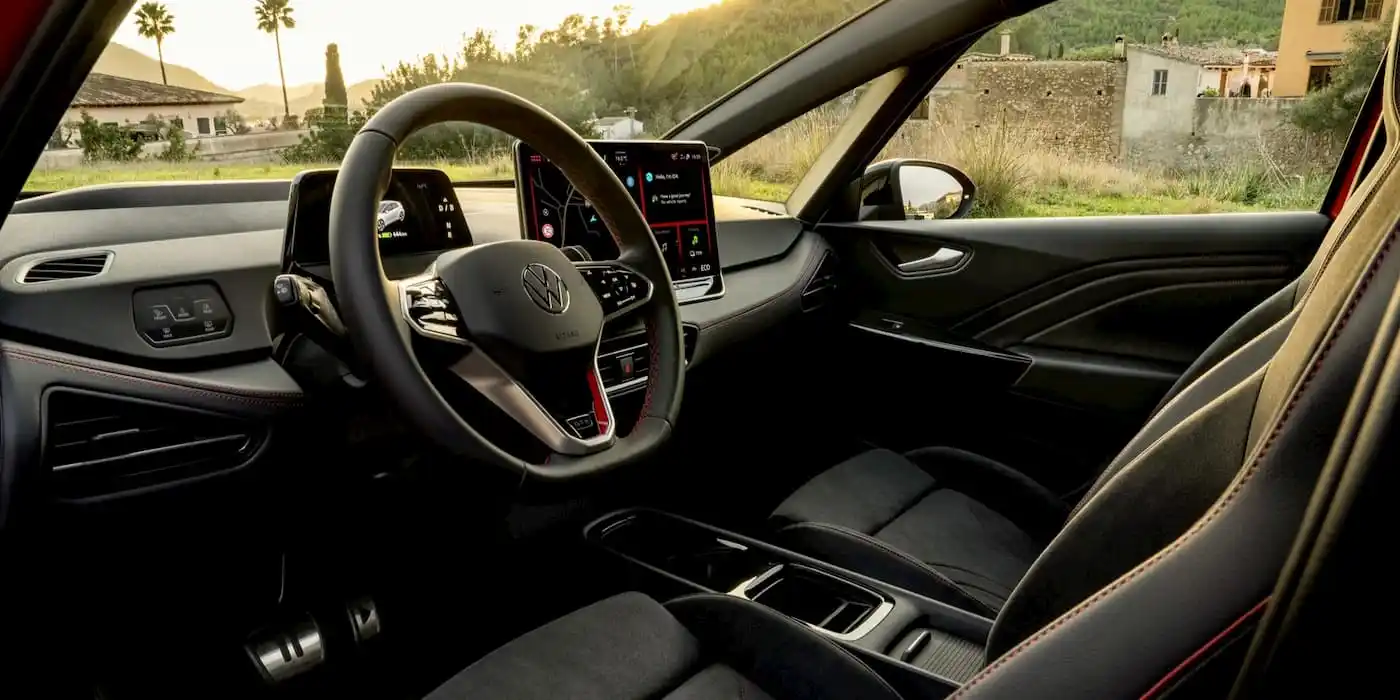
Volkswagen Group is reversing course on its recent design philosophy, admitting that its shift to screen-dominated dashboards came at the expense of user experience. The automaker now plans to reintroduce physical controls for key functions in future models, responding to criticism from customers who favor tactile interfaces over touchscreens.
“From the ID.2all onwards, we will have physical buttons for the five most important functions—the volume, the heating on each side of the car, the fans, and the hazard light—below the screen,” said Andreas Mindt, Volkswagen’s head of design. “We will never, ever make this mistake again. On the steering wheel, we will have physical buttons. No guessing anymore. There’s feedback, it’s real, and people love this. Honestly, it’s a car. It’s not a phone.”
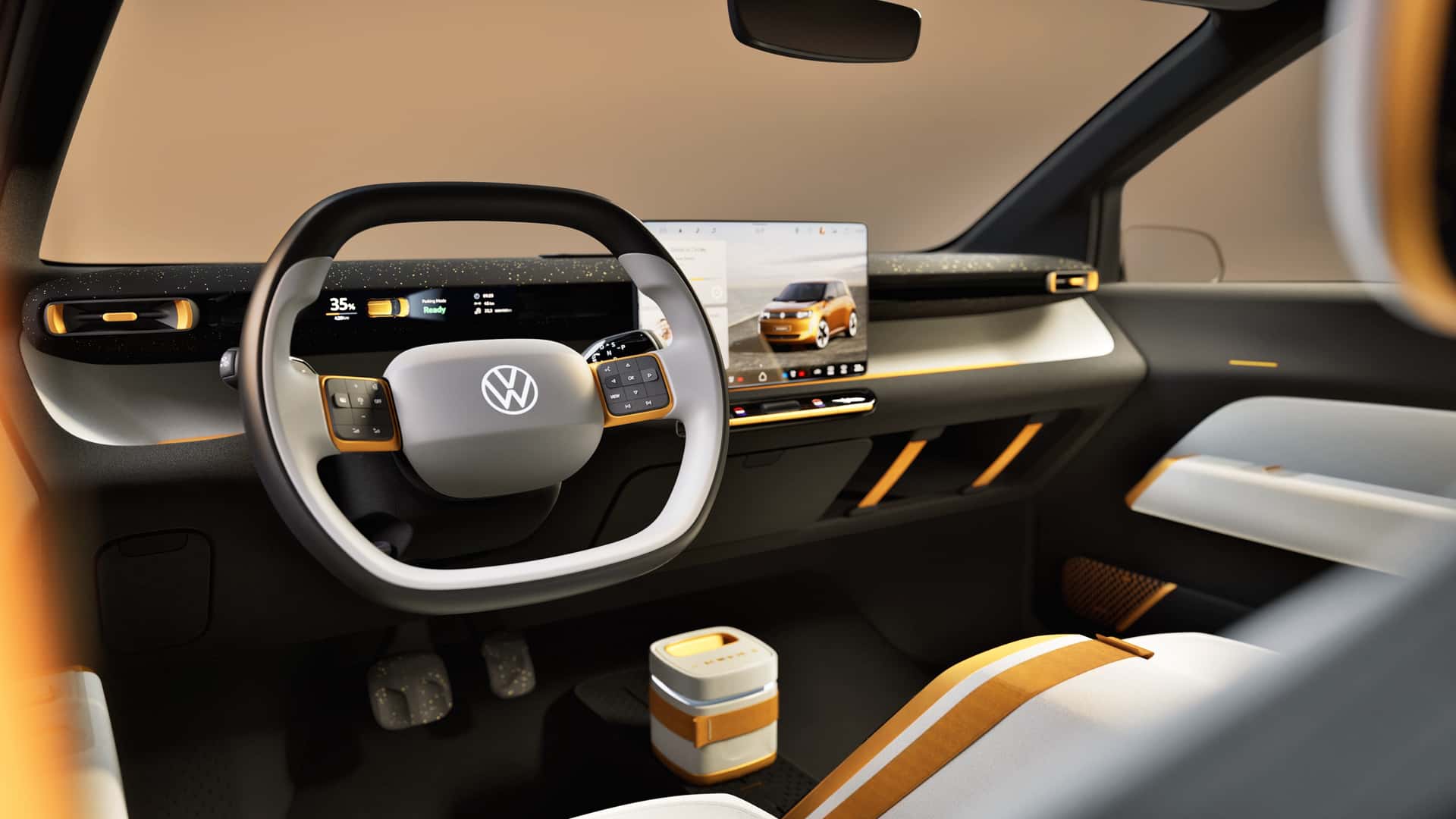
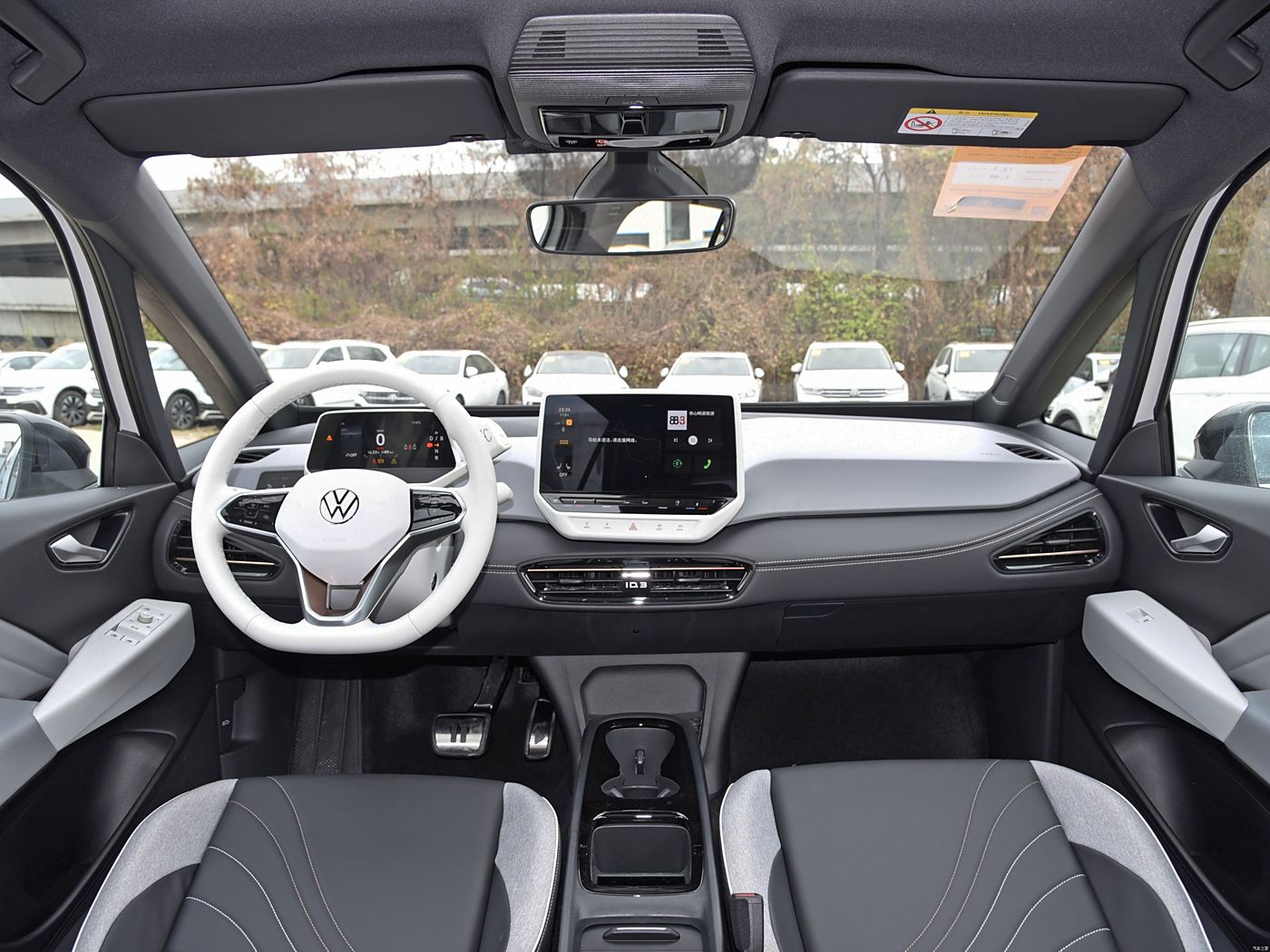
Volkswagen’s pivot comes after years of streamlining dashboards in the name of minimalism—a trend many interpreted as cost-cutting masked as design evolution. Starting in the late 2010s, the automaker began shifting nearly all in-car functions to touchscreens, reducing physical switches even in its combustion-engine lineup. The latest Passat and the electric ID.7 Tourer are recent examples of VW’s move toward tablet-like interiors.
However, customer backlash—particularly in Europe—has prompted a reassessment. Ralf Brandstätter, Volkswagen’s chief executive in China, noted that while Chinese consumers favor “AI-first, connected vehicles with seamless voice control,” European buyers still value “tactile controls, long-term durability, and driving dynamics.”
Brandstätter also highlighted the demographic split between markets: the average age of an EV buyer in Europe is 56, compared to under 35 in China. “Cars developed in China aren’t sold in Europe due to differing regulations, costs, and customer preferences,” he explained in a recent LinkedIn post.
Volkswagen has already taken small steps toward reversing its all-digital approach. The latest Golf GTI and R models reintroduced physical buttons on the steering wheel, and future cars are expected to follow suit. Because VW shares platforms and components across its brands—including Skoda, SEAT, and Cupra—this change could lead to a broader return of analog controls across the Volkswagen Group lineup.
While a more button-heavy interior may raise production costs, some customers are willing to absorb the increase in exchange for greater usability and driving satisfaction. For longtime owners of models like the Skoda Octavia, whose dashboards struck a popular balance between screens and switches, the return to tactile design may feel like a long-overdue correction.
Source: Motor1