
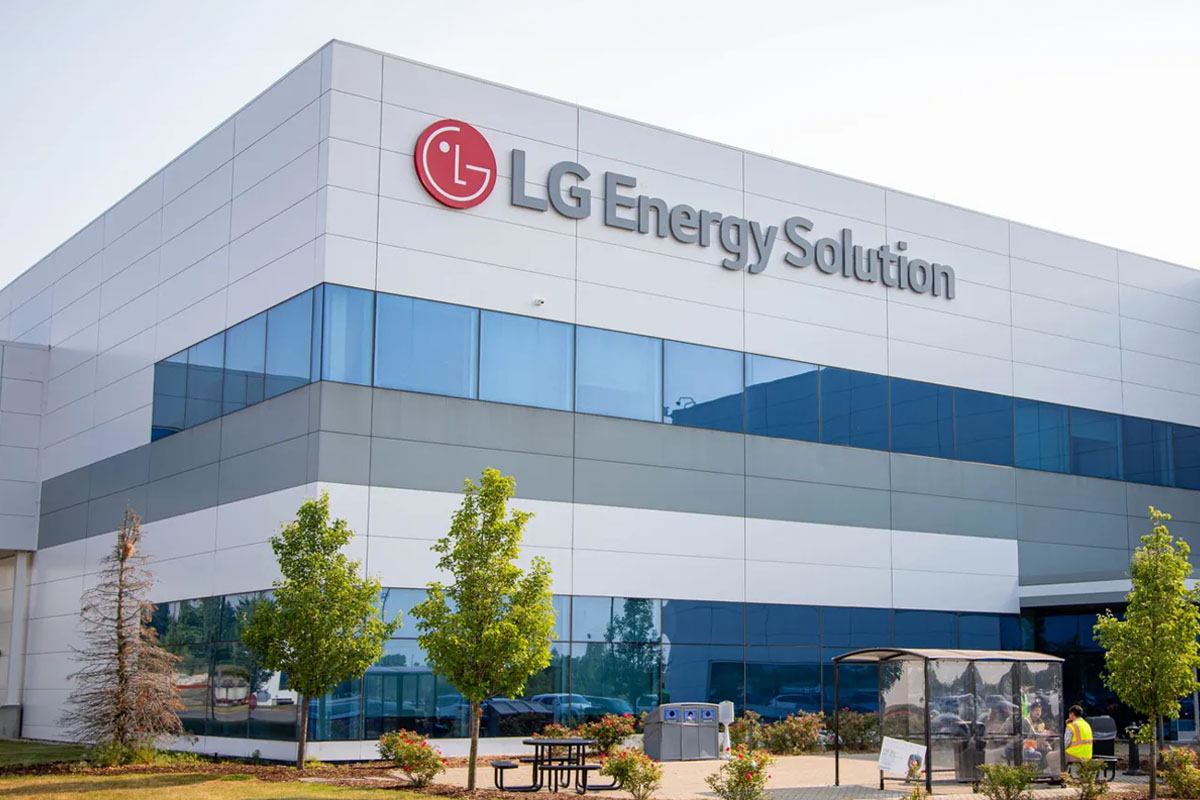
General Motors and battery partner LG Energy Solution plan to begin commercial production of lithium manganese-rich (LMR) battery cells in the United States starting in 2028, aiming to lower electric vehicle (EV) costs and expand adoption.
The new LMR cells, which GM says are more cost-effective than the nickel-rich cells currently in use, will be manufactured in a prismatic format at one of the two Ultium Cells joint-venture plants located in Ohio and Tennessee. The shift to prismatic cells, from the current pouch structure, is expected to cut battery pack components by more than 50%, helping to streamline production and lower costs.
“These new cells will offer the range customers expect—over 400 miles on a single charge for an electric truck—while significantly reducing our battery costs,” said Kurt Kelty, GM’s vice president of battery, propulsion and sustainability. “We’re adopting flexible chemistries for the best balance of range, performance and affordability.”
The Detroit-based automaker currently offers 12 EV models and is seeking to achieve cost parity with its internal combustion engine vehicles. Kelty added, “My mission here is to get as many EVs on the road as possible. We need to get price parity with [gas-powered vehicles] and then this thing’s just going to take off.”
In addition to the LMR technology, GM also plans to deploy lithium iron phosphate (LFP) cells across its lineup to further drive down costs. While GM has not disclosed its current per-kilowatt-hour battery costs, the company expects to achieve a $30 per kWh reduction by 2025.
General Motors aims to be the first automaker to bring LMR batteries into commercial use, though rival Ford Motor is also developing similar technology, according to a recent LinkedIn post by its director of electrified propulsion engineering.