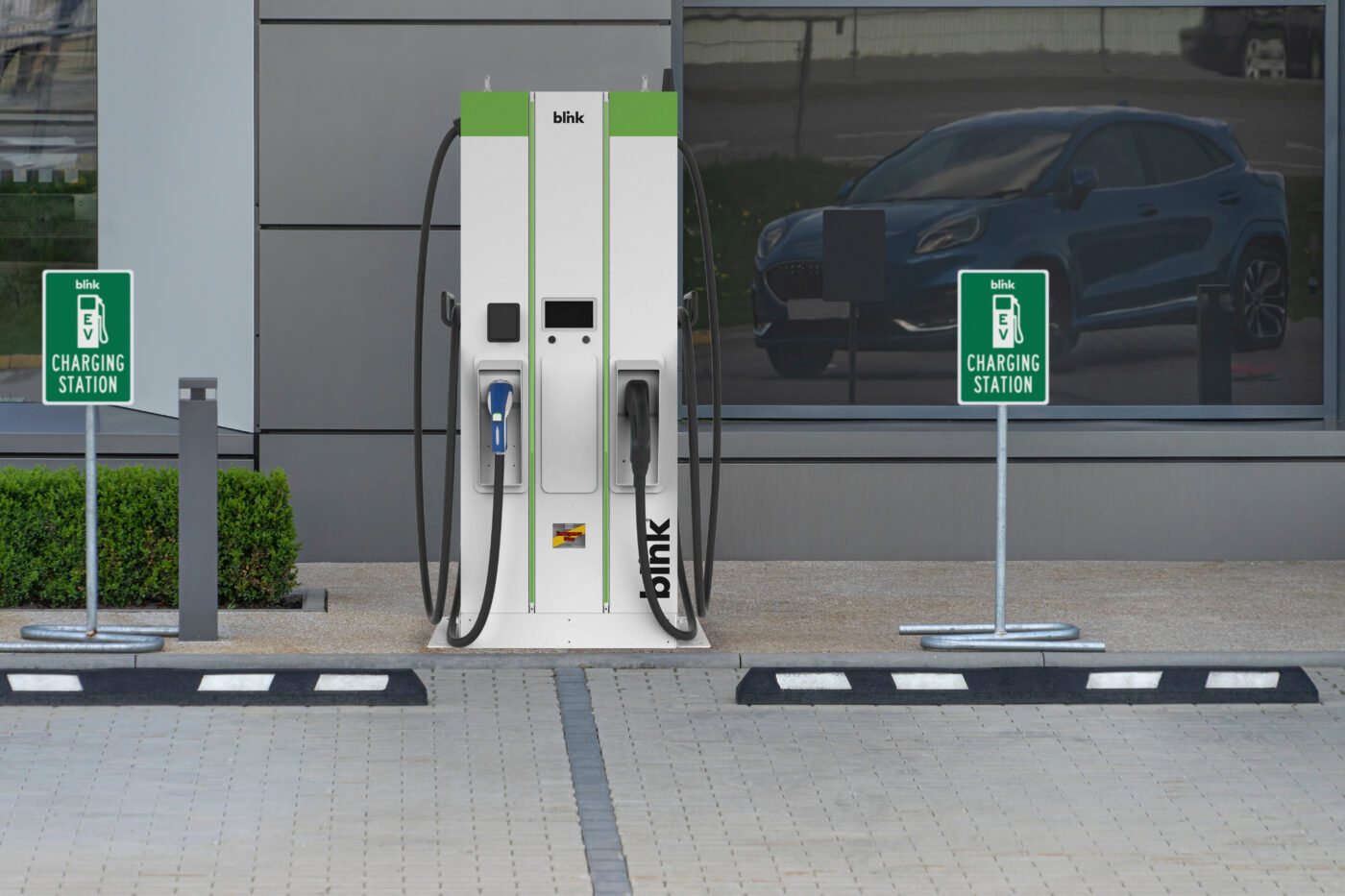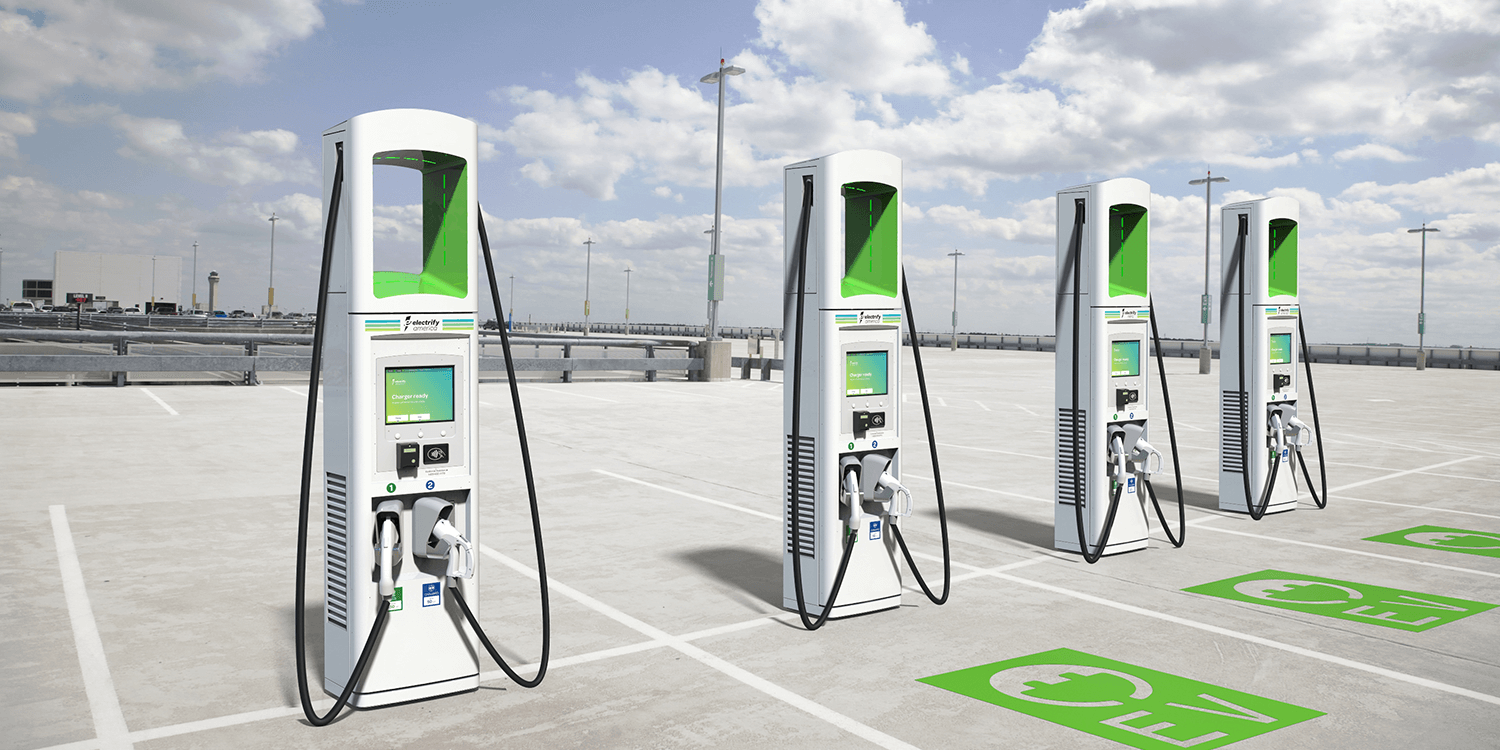
The high cost of DC fast chargers remains a significant barrier to widespread electric vehicle (EV) infrastructure expansion, with a single 300-kilowatt Level 3 charging stall costing over $100,000.
A substantial portion of this expense—nearly 60%—is attributed to critical safety mechanisms, particularly isolation links designed to prevent electric shocks, industry experts say.
See also: Apple Maps to Add NACS Adapter Warnings in Future Update
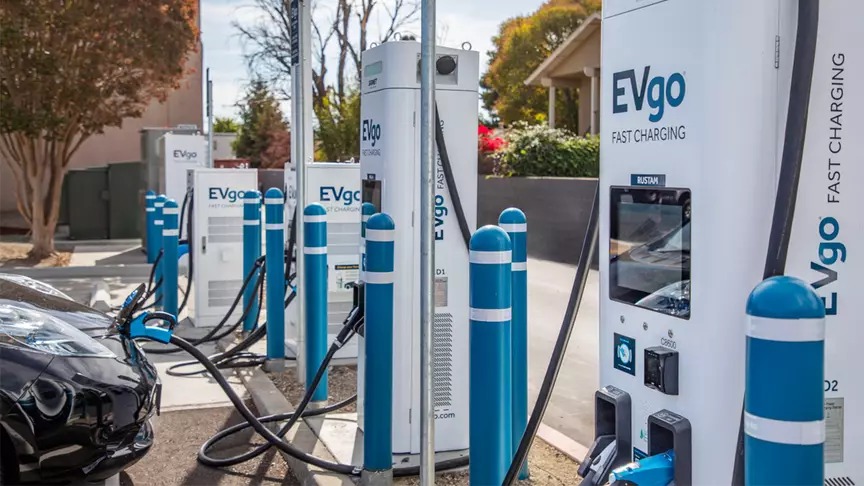
“The reality is that more than half the cost of an EV charger goes into keeping you alive,” IEEE Spectrum reported. The isolation link, a key component ensuring galvanic isolation between the power source and vehicle, can cost around $54,000 per charger. Scaled up to an eight-stall charging site, this amounts to more than $430,000 solely for safety equipment.
Isolation links function by preventing current from flowing directly between the power grid and a vehicle. This is crucial in scenarios where an EV’s battery might leak conductive fluid, potentially creating a hazardous electric shock risk. “With isolation, there wouldn’t be a shock hazard, because no current path would exist from the electric utility to the car body,” IEEE explained.
See also: Portugal Moves to Liberalize EV Charging, Opening Door for Tesla Superchargers
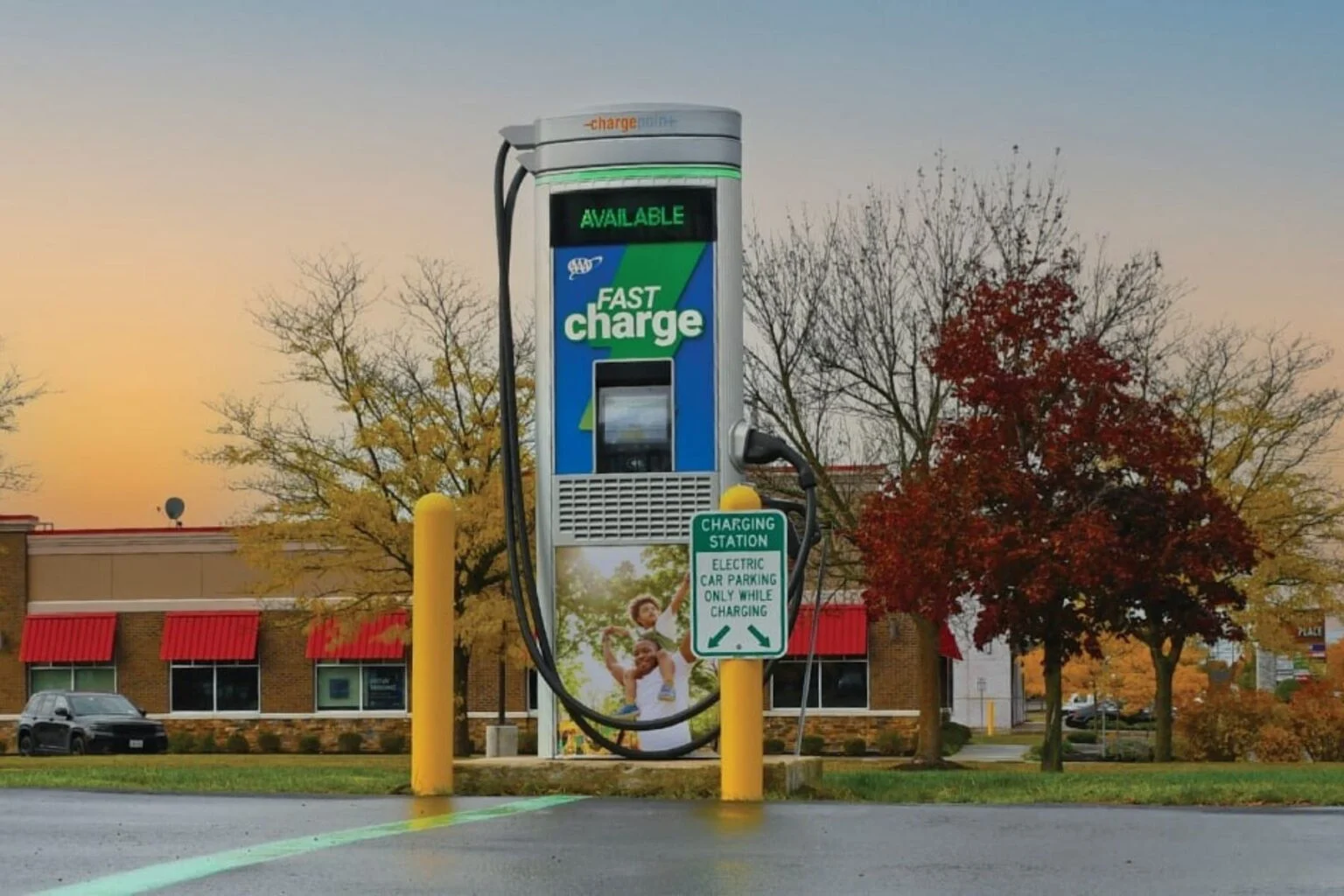
To address cost concerns, some researchers have proposed shifting isolation responsibilities to the vehicle itself, leveraging onboard charging systems that already support galvanic isolation. However, this approach presents challenges, including the need for universal industry standards and automaker compliance. “Not every car is built the same,” experts caution, raising concerns about legacy vehicle compatibility and manufacturers’ track records with safety regulations.
An alternative concept gaining attention involves replacing isolation links with a redundant ground system, which could detect faults and shut down the charger before safety hazards arise. This approach, combined with voltage regulation using a buck converter, could significantly reduce costs while maintaining safety. “A buck regulator that can handle similar throughput would cost a mere 10% compared to the isolation link,” IEEE suggested.
See also: Tesla to Test Virtual Queuing System at Superchargers Following Viral Altercation