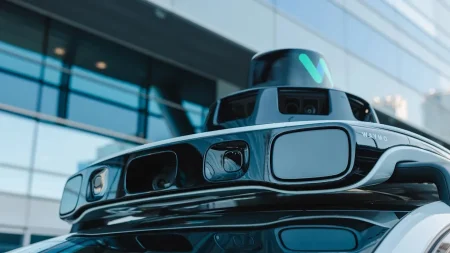


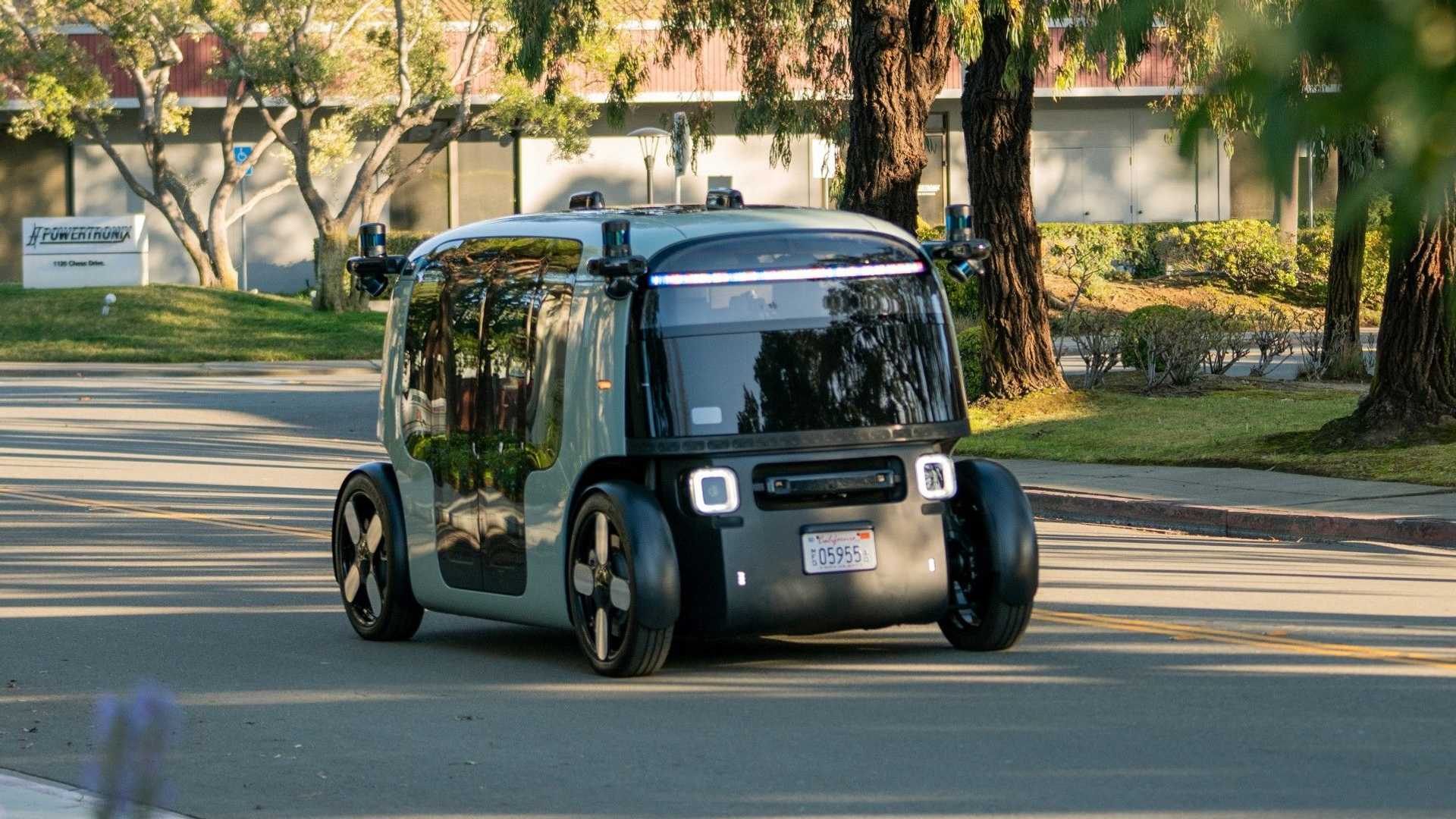
Zoox plans to make its robotaxis available for hailing through the Uber in Las Vegas later this year as part of a multi-year partnership between the two companies.
The deployment depends on approval from the National Highway Traffic Safety Administration (NHTSA), which must grant exemptions from the Federal Motor Vehicle Safety Standards. Zoox’s purpose-built robotaxis do not include traditional controls such as a steering wheel or pedals, requiring special regulatory clearance.
The regulator has begun accepting public comments on Zoox’s request for exemptions. The company currently holds permission to operate its vehicles only in demonstration mode rather than for commercial service.
If approval is granted, Zoox said it plans to launch its own commercial robotaxi service first before making the vehicles available through Uber in Las Vegas.
The company currently offers free rides using its autonomous vehicles in Las Vegas and San Francisco. Zoox is also expanding mapping and testing activities in several other U.S. cities, including Dallas and Phoenix.
The partnership marks Zoox’s first collaboration with a third-party ride-hailing platform. For Uber, however, cooperation with autonomous vehicle developers has become a central strategy. The company has partnerships with more than 25 autonomous vehicle companies globally.
Among its most prominent collaborations is a partnership with Waymo, which currently offers robotaxi services through Uber in Austin and Atlanta. Uber has also partnered with Baidu and plans to test self-driving vehicles in London. Other partners include Volkswagen, May Mobility, and Pony.ai.
Uber has also launched internal initiatives to support these collaborations, including an AV Labs unit focused on collecting real-world driving data to improve autonomous systems and a division called Uber Autonomous Solutions to provide operational and software support.
Zoox is requesting exemptions from eight federal vehicle safety rules, including requirements related to windshield defrosting systems and windshield wipers. NHTSA will accept public comments for 30 days before making a decision.
At a recent autonomous vehicle safety hearing, NHTSA administrator Jonathan Morrison said regulators are working toward a clearer oversight framework for self-driving technologies.
“We think it’s past time to get past the hand-waving and hype, and are finally doing the necessary, hard policy work to provide appropriate and robust oversight over this sector while removing unnecessary and unintended barriers to innovation that currently exists,” Morrison said.
“This will not be easy, but I firmly believe that it is within our grasp, and we at NHTSA are moving with a great sense of urgency to get it done,” he added.