



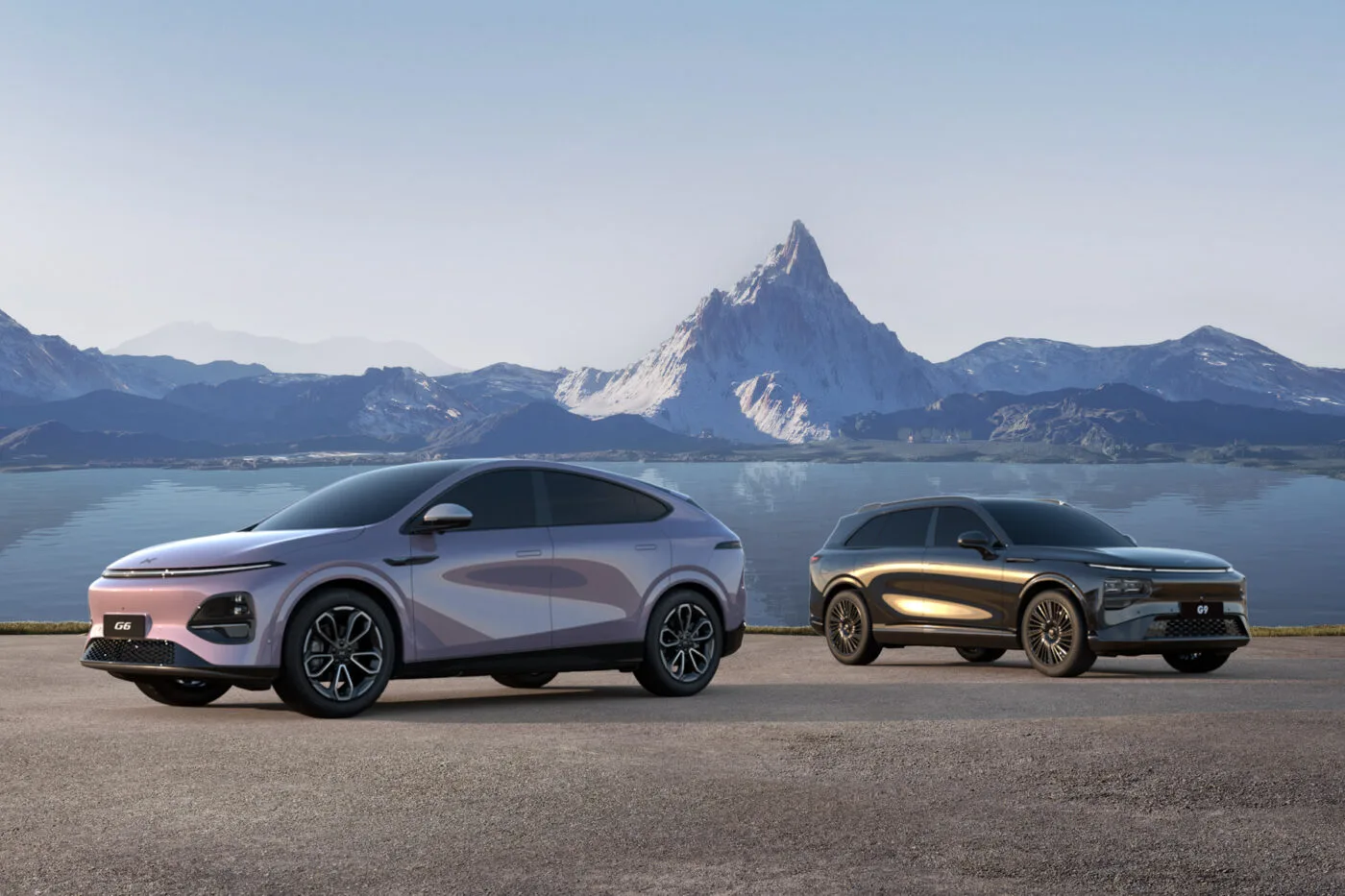
Chinese electric vehicle maker Xpeng has officially launched updated versions of its G6 and G9 SUVs in Europe, maintaining existing price levels despite extensive technical upgrades, including next-generation batteries and ultra-fast charging capabilities.
The rear-wheel-drive G6 Long Range remains priced at €47,600, while the entry-level G9 starts at €59,600. Deliveries are expected to begin later this summer in key European markets, including Germany, France, the Netherlands, and the Nordic countries.
Both models benefit from newly developed lithium iron phosphate (LFP) batteries featuring faster charging and a longer lifecycle. The updated G6, based on Xpeng’s latest 800-volt platform and equipped with silicon carbide semiconductors, can now charge at rates of up to 451 kW. According to the company, a suitable fast-charger can bring the 80.1 kWh battery from 10 to 80% in just 12 minutes.
Xpeng notes that the new LFP batteries are free from cobalt, manganese, and nickel, and are expected to last 30% longer than the previous generation. However, the WLTP range of the G6 Long Range has been slightly reduced from 570 km to 535 km.
The G9 luxury SUV sees similar improvements. Its new LFP batteries offer charging speeds up to 525 kW and maintain a 12-minute 10–80% charging time despite battery capacities of 79 or 93.1 kWh. The G9 Long Range now reaches up to 585 km WLTP, a modest increase over the previous version.
The top-of-the-line G9 AWD Performance variant offers 423 kW of power and accelerates from 0 to 100 kph in 4.2 seconds. Prices range from €63,600 to €72,600 depending on configuration.
While the exterior design of both vehicles remains largely unchanged, Xpeng has introduced minor visual updates and enhanced interior materials, including redesigned cockpits, wood-look finishes, and added support for Android Auto and Apple CarPlay. The company says the upgrades improve comfort and usability, with the G9 also receiving features such as massaging seats and a thermally insulating panoramic roof.
The updated models reflect Xpeng’s strategy to compete directly with Tesla and other premium EVs in Europe, without passing the cost of technical improvements on to consumers.