

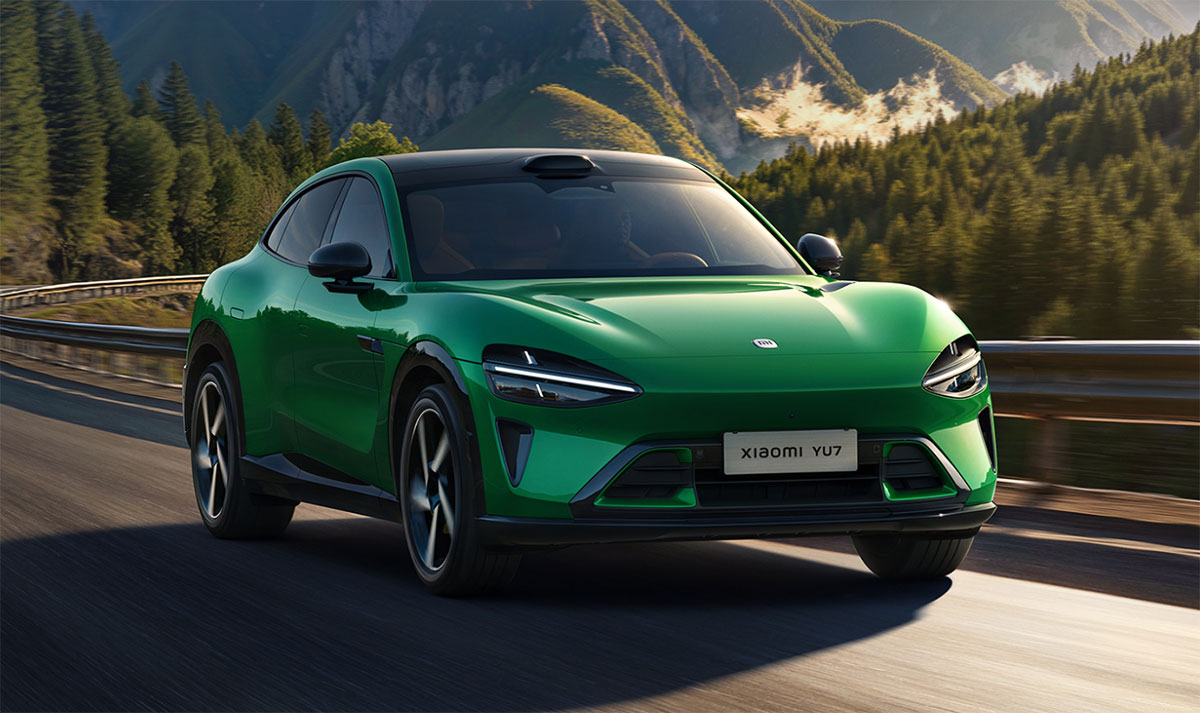
Xiaomi’s new YU7 electric SUV is attracting surging demand in China, with wait times extending to well over a year, prompting the company’s chief executive to suggest buyers consider alternatives if they need a vehicle sooner, Bloomberg reported.
The YU7, unveiled in June, secured about 240,000 orders within 18 hours, according to the China Automotive Technology and Research Center. That figure is close to Tesla’s 265,400 China sales in the first half of 2024. Priced from 253,500 yuan ($35,300), the entry-level model offers an 835 km (519 miles) CLTC range, compared with 593 km (368 miles) for the base Tesla Model Y RWD, which starts at 263,500 yuan ($36,700).

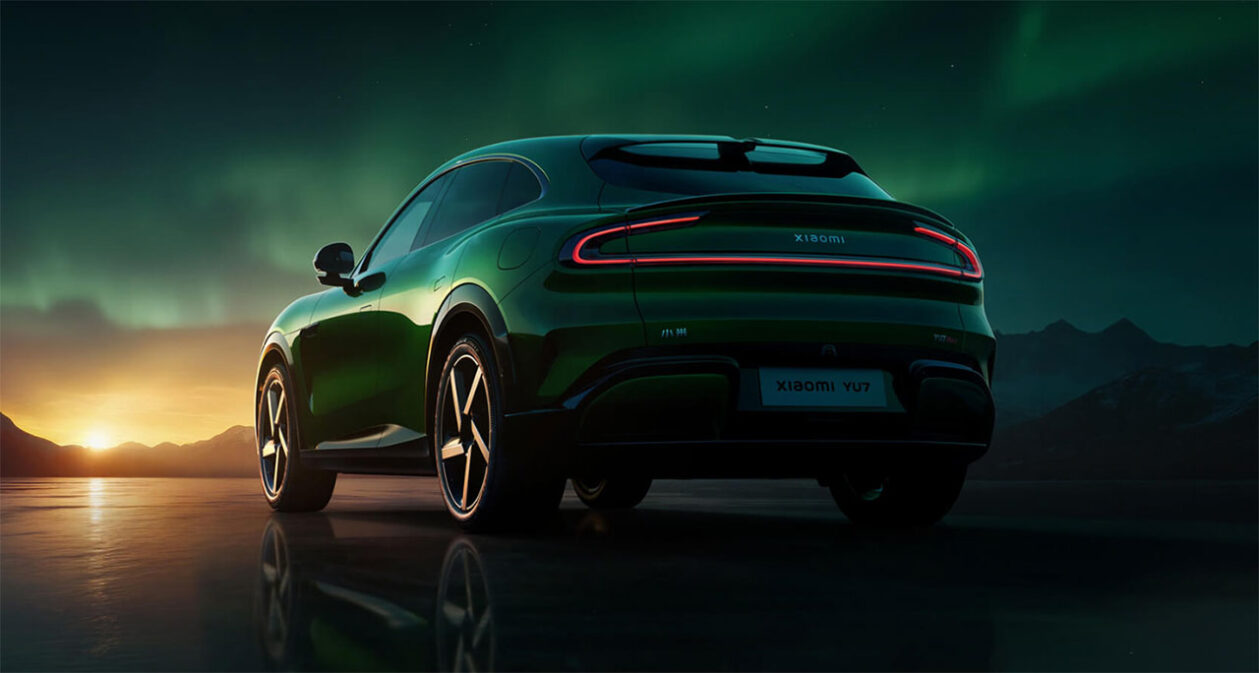
Xiaomi’s SUV is built on an 800V architecture that enables charging to 80% in 13 minutes, compared with 18 minutes for Tesla’s 400V-based Model Y. The model also features a 16.1-inch central infotainment screen, a 56-inch head-up display, and integration with more than 1,000 Xiaomi smart home devices.
But strong demand has created long delivery delays. “If you need to buy a car quickly, other China-produced new energy vehicles are pretty good,” CEO Lei Jun said in a social media post, recommending the XPeng G7, Li Auto i8, and Tesla Model Y as alternatives. The company’s app lists YU7 wait times at 56 to 59 weeks, and consumer complaints about delays have placed the model among the top 20 most-complained-about vehicles on Chinese platform 12365auto.com.

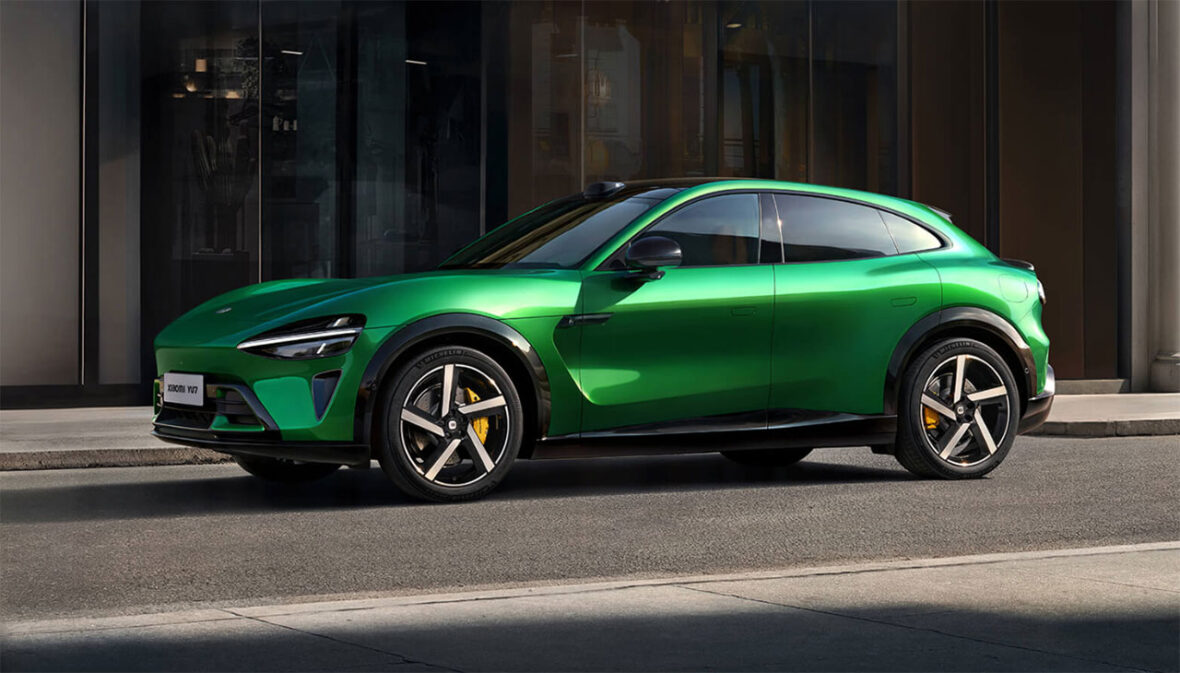
Some buyers remain committed despite the delays. A Beijing customer who ordered the YU7 a day after launch saw his estimated delivery drop only slightly—from 26 to 29 weeks initially to 24 to 27 weeks after a month. “Xiaomi and Tesla each have their advantages, and Tesla’s very capable after being around for so many years,” he said. “But for me personally, I prefer something that looks good.”
Tesla’s China deliveries fell 11.7% year-on-year in the second quarter to 128,803 units despite production ramp-ups and record discounts. Analysts say Xiaomi’s entry adds to intensifying competition from local EV makers such as BYD, NIO, Xpeng, and Li Auto, which are introducing longer-range, more affordable models to capture market share.