



Waymo, the autonomous driving division of Google’s parent company Alphabet, is set to expand its robotaxi service to three additional U.S. cities — Detroit, Las Vegas and San Diego — in 2026, as part of a broader push to scale its operations. With these additions, the company is poised to operate in a dozen U.S. markets, plus London, which will be its first international city.
The expansion follows Waymo’s recent announcement of its entry into London and comes as competition in the autonomous ride-hailing sector intensifies. The company currently offers around 250,000 autonomous trips per week across five U.S. cities — Phoenix, San Francisco, Los Angeles, Austin and Atlanta. Waymo has also announced plans to launch in Dallas, Denver, Miami, Nashville and Washington, D.C., bringing its total planned network to twelve American cities.
See also: Waymo Begins Testing Autonomous Vehicles at Newark Airport
In Las Vegas, Waymo will face direct competition from Amazon subsidiary Zoox, which launched its own robotaxi service there in September. Zoox operates purpose-built vehicles without steering wheels or pedals, capable of carrying up to four passengers.
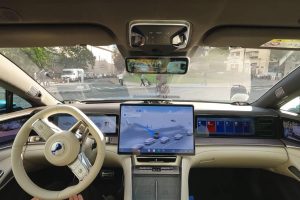
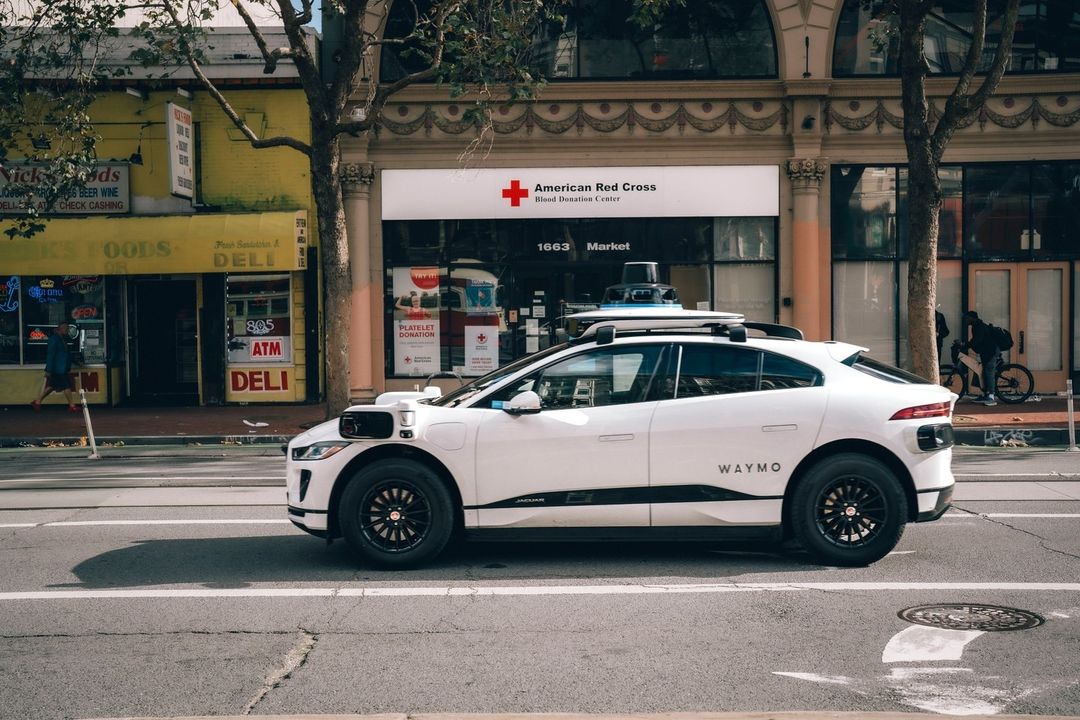
Waymo’s current fleet consists of fully electric Jaguar I-Pace vehicles converted at its own facility, with upcoming additions including Zeekr-built electric minivans and customized Hyundai Ioniq 5 models. Each vehicle is equipped with 13 cameras, four lidar sensors and six radars to create a 360-degree perception system. By contrast, Tesla’s approach to autonomous driving relies exclusively on cameras — a more cost-efficient method but one that has raised safety concerns among industry observers.
See also: Waymo’s Mawakana Calls for Greater Transparency on Safety from Autonomous Vehicle Developers
To prepare for its Detroit launch, Waymo has already conducted extensive winter testing, including trials in Michigan’s Upper Peninsula, to ensure its vehicles can safely operate in snow and icy conditions. The move reflects the company’s efforts to refine its technology ahead of broader deployment in diverse weather and urban environments.