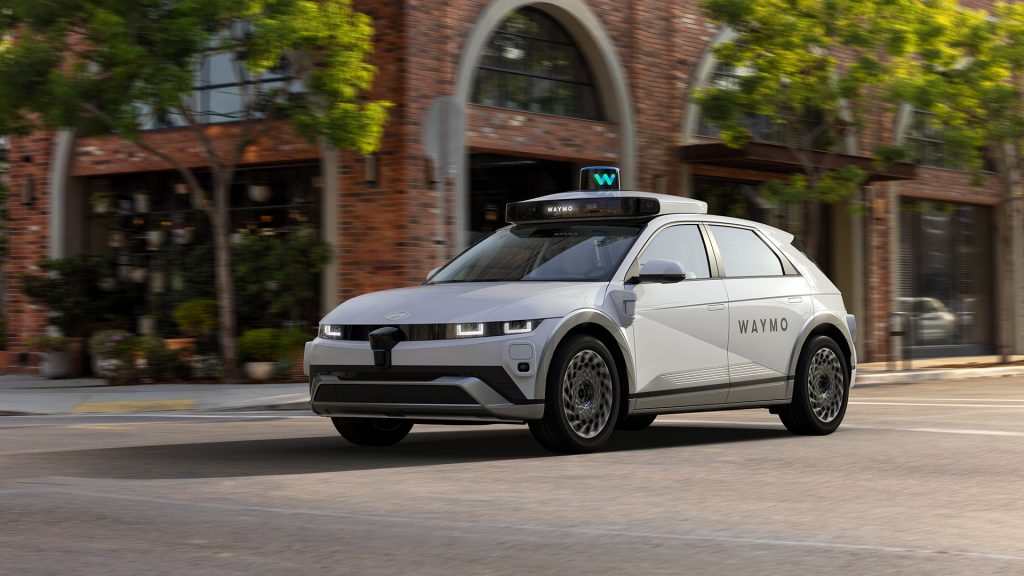




Waymo has launched its fully autonomous ride-hailing service to the public in Miami, marking the company’s latest expansion as it scales commercial robotaxi operations in major U.S. cities.
The service, which began on Jan. 22, covers an initial operating area of about 60 square miles spanning several of Miami’s most prominent neighborhoods, including the Design District, Wynwood, Brickell and Coral Gables. Waymo said nearly 10,000 residents have already joined the waitlist, with riders to be invited in phases as the fleet and service capacity expand.
Waymo said it plans to extend coverage to Miami International Airport, although no timeline has been disclosed. Airport access is widely seen as a critical step for autonomous ride-hailing services seeking broader adoption among residents and visitors.
In announcing the launch, Waymo pointed to its accumulated safety record across operating markets. The company said its vehicles have logged more than 127 million fully autonomous miles, with internal data showing a ten-fold reduction in serious injury crashes compared with human drivers in areas where the service operates.
“Miami is a city defined by its energy, myriad of global cultures, and its forward-looking spirit,” said Tekedra Mawakana, co-chief executive of Waymo. “We’re excited to offer its residents and visitors a safe, reliable, and magical way to move around.”
Local officials welcomed the rollout while stressing oversight and accountability. Anthony Rodriguez, chairman of the Miami-Dade County Commission, said the county looks forward to working with Waymo as operations ramp up, adding that driverless services must meet high standards for safety, transparency and regulatory compliance.
Community and advocacy groups also voiced support for the technology’s potential benefits. Mothers Against Drunk Driving said autonomous vehicles could help reduce deaths linked to impaired driving if deployed responsibly. Accessibility advocates, including Miami Lighthouse for the Blind, highlighted the potential for greater independence among people with visual impairments.
Waymo said its autonomous driving system has been trained to handle Miami’s distinctive environmental conditions, including intense sunlight and sudden tropical downpours, as it adapts its technology to new climates and urban layouts.
The Miami launch adds to Waymo’s growing footprint as the company competes to establish autonomous ride-hailing as a viable alternative to human-driven transport in dense urban markets.