


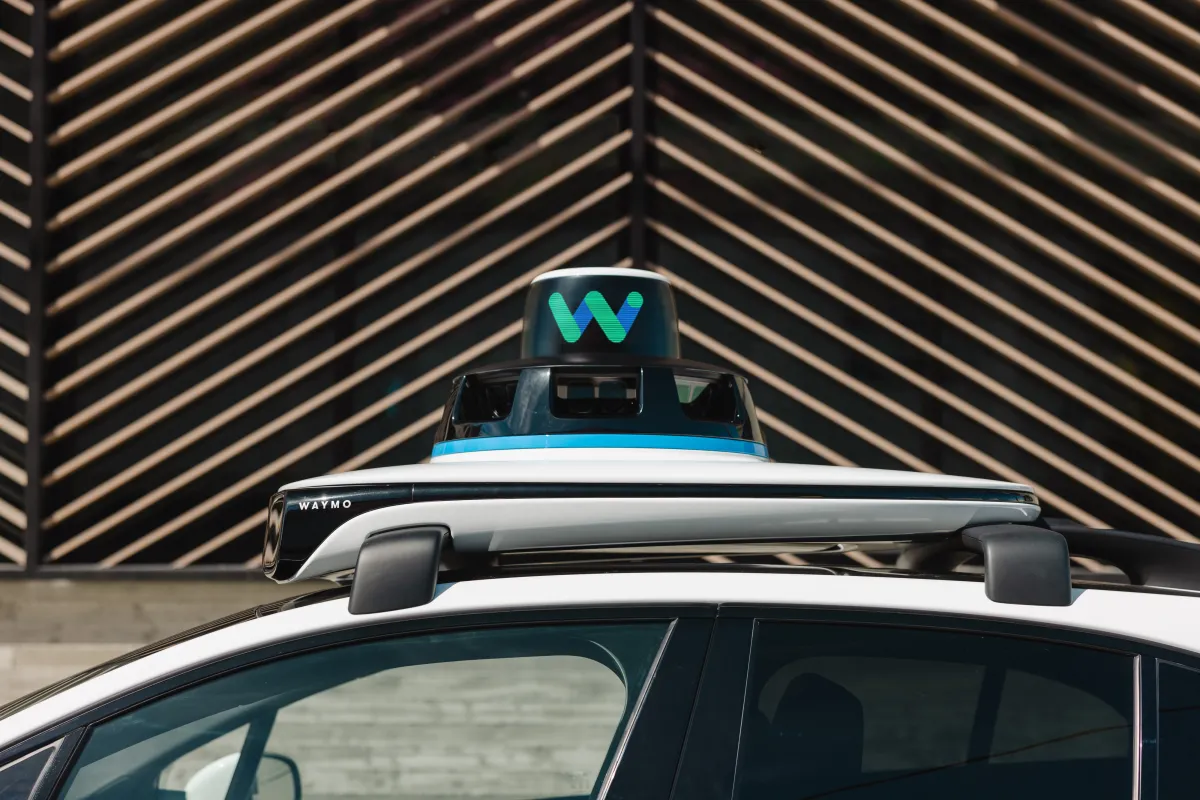
Waymo has established a new German subsidiary as part of its preparations for future robotaxi operations in Europe, marking the latest step in the company’s international expansion strategy.
Waymo Germany GmbH was incorporated on May 13 and officially registered on June 15 in Munich, according to commercial registry filings. The company lists Google’s Munich office as its business address and has already advertised job openings for test drivers and vehicle trainers in both Munich and Berlin.
No timetable has been announced for launching commercial services in Germany, and the company has not identified its initial operating cities.
Early Stage of European Expansion
The creation of the German entity represents the first phase of Waymo’s typical market entry strategy, which generally includes regulatory engagement, high-definition mapping, partnerships with local operators, supervised vehicle testing, and eventual public deployment.
In a statement to Bloomberg, Waymo said it is “engaging with officials around the world to explain our technology and lay the groundwork for global operations.”
The company has indicated that its projects in London and Tokyo remain further advanced. According to TechCrunch, Waymo is conducting supervised data collection in Tokyo with taxi operator Nihon Kotsu and the Go ride-hailing platform, while supervised testing is continuing in London ahead of a planned commercial launch pending regulatory approval.
Germany Presents New Challenges
Munich offers strategic significance for Waymo, serving as the home of BMW and lying close to Mercedes-Benz’s headquarters in Stuttgart as well as Volkswagen’s software subsidiary Cariad.
The company is entering an increasingly competitive European autonomous driving market. Baidu has announced plans to introduce its RT6 robotaxi through Lyft in Germany and the United Kingdom, while Uber has partnered with Israeli autonomous driving company Autobrains on robotaxi services in Munich. Wayve and Momenta are also expanding autonomous vehicle testing across Europe.
Germany is expected to present more complex operating conditions than many U.S. cities where Waymo currently operates, with different road layouts, bicycle infrastructure, tram networks, construction standards, and regulatory requirements.
Regulatory Landscape Continues to Evolve
Waymo’s international expansion follows a funding round completed in February 2026 that reportedly valued the Alphabet-owned company at approximately $126 billion and was intended to support global commercial growth.
The company has identified 21 additional cities for future expansion beyond its current operations in 11 U.S. markets.
At the same time, European regulation remains fragmented. Germany joined France, Italy, and other European Union member states in June in supporting efforts to coordinate autonomous vehicle testing standards. However, operators must still navigate national licensing systems, local approvals, and compliance requirements under the European Union’s AI Act before launching commercial autonomous driving services.