



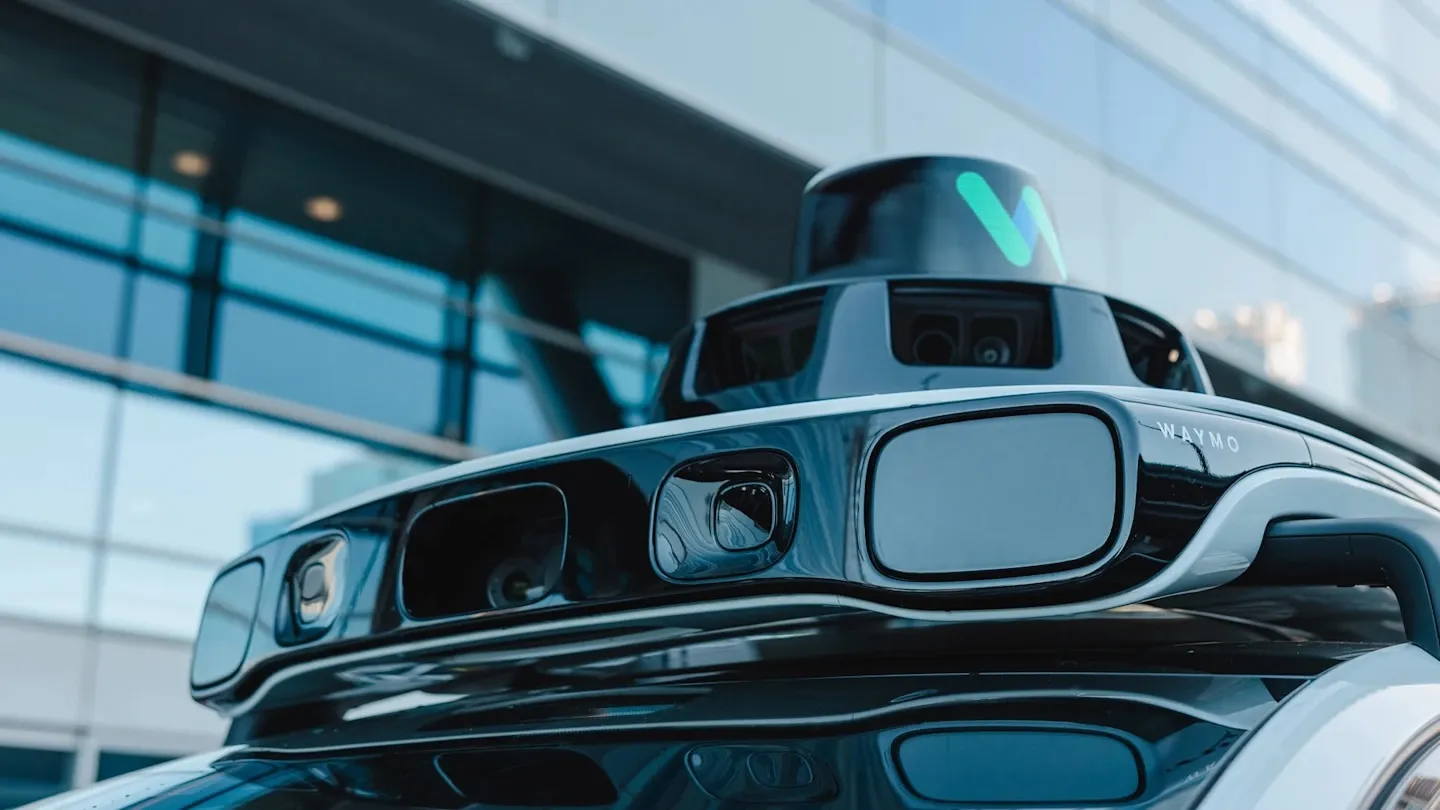
Waymo has ended its robotaxi partnership with Uber in Phoenix, Arizona, bringing to a close nearly three years of joint operations in the city where the companies first tested their commercial collaboration.
The companies confirmed that Waymo vehicles are no longer available through the Uber app in Phoenix after reports on social media noted their disappearance. Passenger ride services through Uber concluded in May 2026, while the partnership’s food delivery operations ended in May 2025. Uber confirmed the wind-down in a statement to TechCrunch.
Phoenix had been the only market where Waymo simultaneously offered autonomous rides through both its own application and Uber’s platform. The city was also the first location where Waymo launched paid autonomous passenger rides to the public in 2020.
Partnership Continues in Other U.S. Cities
Although the Phoenix operation has ended, the companies will continue working together in Austin and Atlanta, where Waymo’s autonomous vehicles remain available exclusively through Uber following launches in 2025.
Uber said the Arizona deployment had been designed as a limited pilot involving just over a dozen vehicles and helped shape later expansions.
“Phoenix was our first pilot market with Waymo and was an intentionally limited deployment, reaching just over a dozen vehicles dedicated to the program. We learned a lot from that collaboration, which helped us to quickly scale Austin and Atlanta, where hundreds of Waymo AVs are available exclusively on Uber and our coverage area continues to expand,” Uber said in a statement.
Companies Pursue Different Growth Strategies
The end of the Phoenix partnership comes as Waymo increasingly expands into new cities through its own mobile platform rather than relying on third-party ride-hailing services.
The autonomous driving company has announced operations in markets including Dallas, Houston, and Miami while strengthening direct relationships with customers.
Waymo now operates approximately 4,000 autonomous vehicles across more than 10 U.S. cities and completes over 500,000 passenger trips each week, reflecting the company’s growing commercial scale.
Meanwhile, Uber has broadened its autonomous vehicle strategy by signing partnerships with more than a dozen developers, including Zoox, WeRide, Avride, Baidu, and Wayve, positioning itself as a platform capable of supporting multiple robotaxi providers.
Competition Intensifies
The companies’ relationship has evolved significantly over the past decade. A legal dispute over autonomous driving technology ended in a settlement in 2018 before the two firms announced a commercial partnership in 2023.
More recently, differences have become increasingly visible. Uber Chief Technology Officer Praveen Neppalli Naga publicly criticized Waymo’s driving behavior following a widely shared autonomous vehicle incident.
Later this year, the companies are also expected to compete directly in London. Waymo plans to launch its first international commercial robotaxi service through its own application, while Uber intends to introduce autonomous ride services in partnership with British autonomous driving company Wayve.
Waymo has also expanded its direct-to-consumer strategy by introducing a subscription membership program in San Francisco, Los Angeles, and Phoenix, offering priority pickups and ride credits for a monthly fee.
The latest developments suggest both companies are increasingly pursuing independent strategies as competition in the autonomous mobility sector continues to expand.