
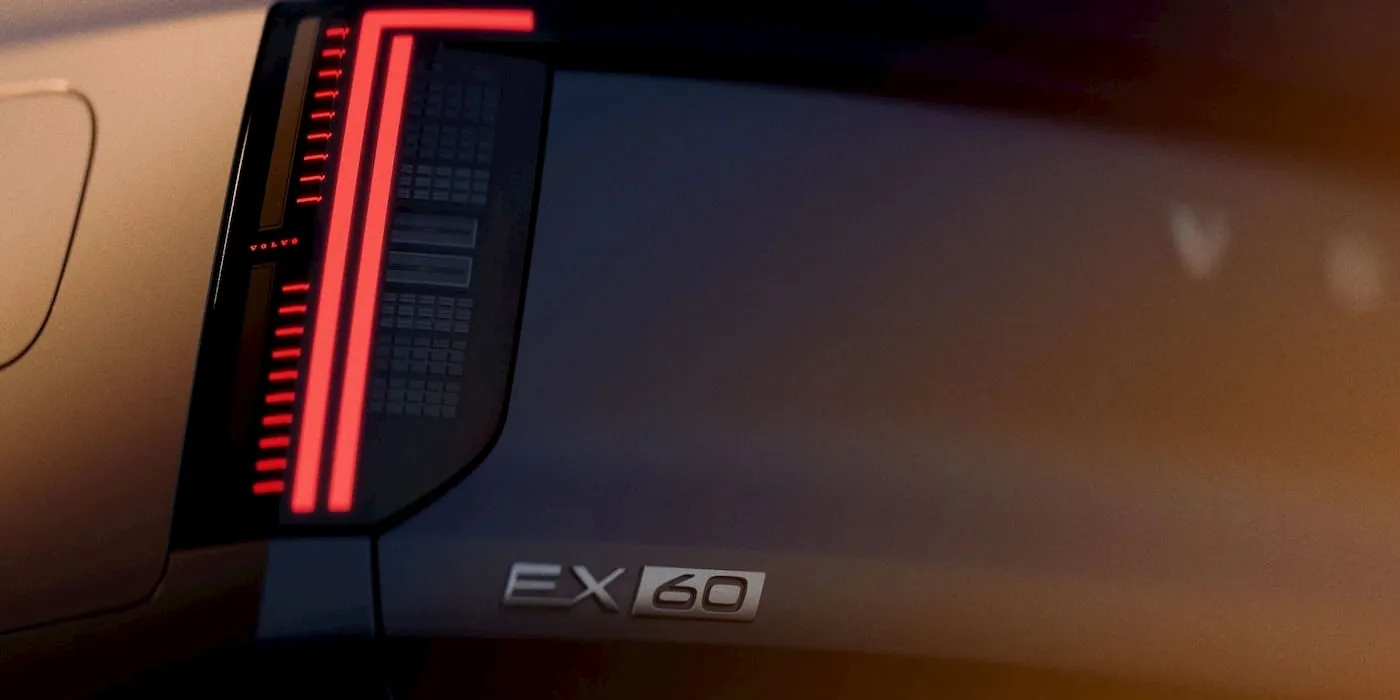
Volvo Cars previewed its next premium midsize electric SUV, the EX60, scheduled for an official unveiling in early 2026. The model will be the fully electric successor to the XC60, the company’s most successful vehicle to date with over 2.7 million units sold since its 2008 debut.
Built on Volvo’s upcoming SPA3 platform, the EX60 aims to offer enhanced range, energy efficiency, and next-generation computing capabilities. According to a statement posted by the company, SPA3 is designed to evolve with over-the-air updates, allowing the vehicle to learn and adapt over time. “SPA3 is designed to learn and adapt over time with new features and capabilities, helping redefine what it means to engineer, own, and experience a car,” the automaker said.
The SPA3 platform marks a shift away from Volvo’s previous combustion-based architecture and signals a broader move toward electrification. “We’ve been able to remove all the old constraints of the combustion engine,” said Anders Bell, head of R&D at Volvo, in comments to UK outlet Autocar, adding that SPA3 is “100% electric and 100% Volvo Cars.”
Volvo is currently upgrading its Torslanda plant in Sweden to support SPA3-based vehicle production. The new architecture is being engineered to accommodate vehicles across a range of sizes and includes Tesla-inspired megacasting technology to simplify chassis manufacturing by casting large sections of aluminum in a single piece.
The EX60 will join Volvo’s expanding EV lineup, which includes the compact EX30 — now in production at both Torslanda and the company’s Ghent facility in Belgium — and the seven-seater EX90, which shares its SPA2 architecture with the Polestar 3. Smaller electric models such as the EX40 and XC40 continue to use legacy combustion-era platforms.
Volvo reported strong sales in Europe last month, delivering 27,694 vehicles and capturing a 2.5% market share, according to data from the European Automobile Manufacturers’ Association (ACEA). It remained the top-selling brand in Sweden with more than 5,100 units sold, accounting for a 17.7% share in its domestic market.