




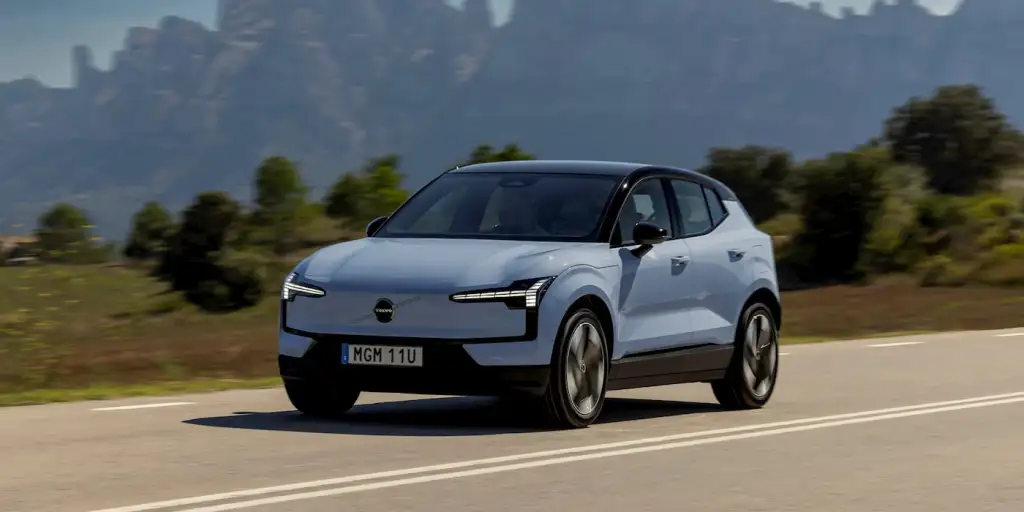
Volvo Cars has announced a global recall of more than 40,000 units of its electric EX30 SUV due to potential battery overheating that could lead to fires, a development that could affect the brand’s safety reputation and incur substantial costs.
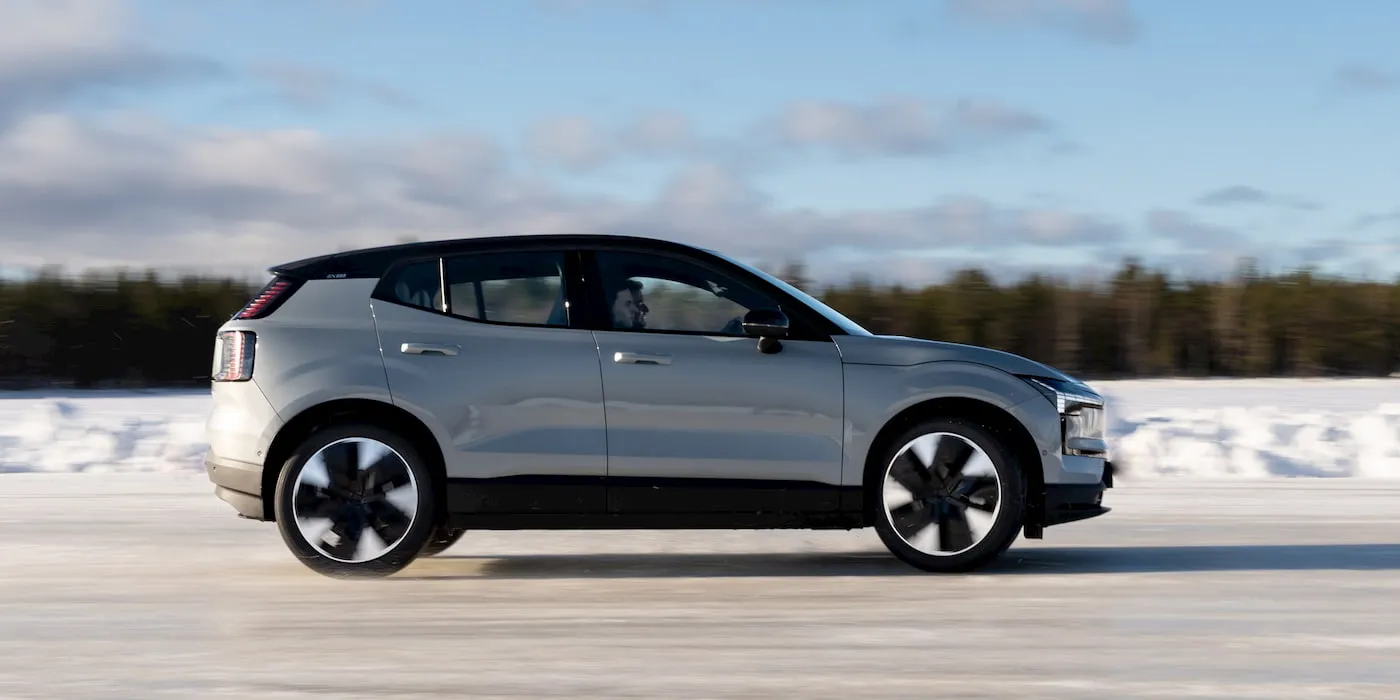
The recall covers 40,323 EX30 Single-Motor Extended Range and Twin-Motor Performance vehicles equipped with high-voltage battery cells produced by Shandong Geely Sunwoda Power Battery Co, a joint venture associated with Volvo’s parent company Geely. Volvo confirmed the action to Reuters.
See also: Volvo EX30 Black Edition Priced From £40,060 as It Launches in the UK
“We are now contacting the owners of all affected cars to advise them of the next steps,” the company said in a statement. Volvo’s shares fell about 4% following reports of the recall.

Concerns intensified after an EX30 caught fire at a dealership in Maceió, Brazil, in November 2025. Analysts cited by Reuters estimate that replacing battery modules could cost up to $195 million, excluding logistics and repair expenses.
See also: Sunwoda Chairman Denies Direct Role in Volvo EX30 Battery Recall
Since December, Volvo has instructed affected owners in more than a dozen countries — including the United States, Australia and Brazil — to limit charging to 70% and park vehicles away from buildings as a precaution. The temporary restriction reduces driving range and has drawn complaints from customers.
Volvo said it will replace the affected battery packs free of charge and that the supplier has resolved the manufacturing issue, allowing new cells to be installed.
See also: Volvo Warns of Battery Overheating Risk in Limited EX30 Variants
The recall comes amid broader concerns involving batteries supplied by Sunwoda. Geely subsidiary Viridi E-Mobility Technology recently settled a legal dispute with the manufacturer for 608 million yuan (about $89 million). Separately, Geely also recalled 38,277 Zeekr 001 vehicles this month over similar battery-related problems.
Volvo, majority-owned by China’s Geely Holding, has been expanding its electric lineup as part of a broader strategy to transition toward zero-emission vehicles while maintaining its long-standing emphasis on safety.