
Volkswagen Group reported a sharp rise in battery-electric vehicle (BEV) sales in Europe during the first quarter, while deliveries in China dropped by over a third, underscoring diverging trends in the global EV market for the German carmaker.
Volkswagen’s BEV sales more than doubled in Europe, supported by rising demand and the expansion of its electric model lineup. Orders across Western Europe rose 29% year-on-year for both electric and combustion vehicles, the company said.
See also: Volkswagen Previews $22,000 ID.1 EV in New Video Ahead of 2027 Launch
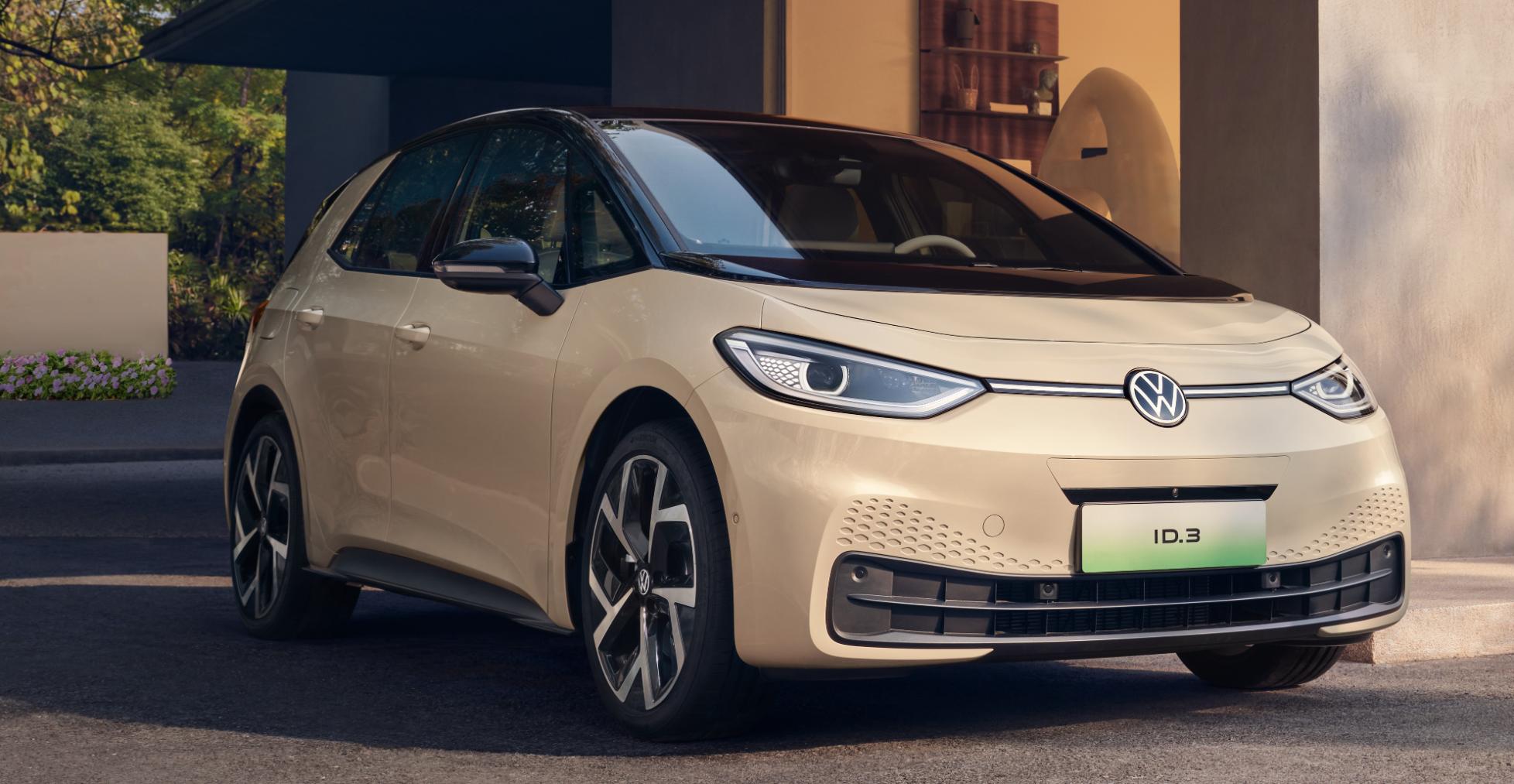
In contrast, the group saw total sales in China fall by 7.1%, reflecting the growing pressure from domestic EV-focused competitors. China, which accounts for around half of Volkswagen’s overall sales, has become increasingly challenging as local brands continue to expand their market share.
Volkswagen plans to counter the slowdown by launching refreshed versions of its ID.3 and ID.4X models in China and presenting new EV models at the upcoming Shanghai Auto Show, including the debut of a new Audi series-production model. The company will also preview three electric vehicles slated for 2026, developed in collaboration with joint venture partners FAW, SAIC, and JAC. Among them is a SAIC-produced electric SUV equipped with a range extender – a combustion engine designed to recharge the battery – aimed at alleviating consumer range anxiety.
See also: Volkswagen Expands Partnership with Horizon Robotics to Advance Smart Driving in China
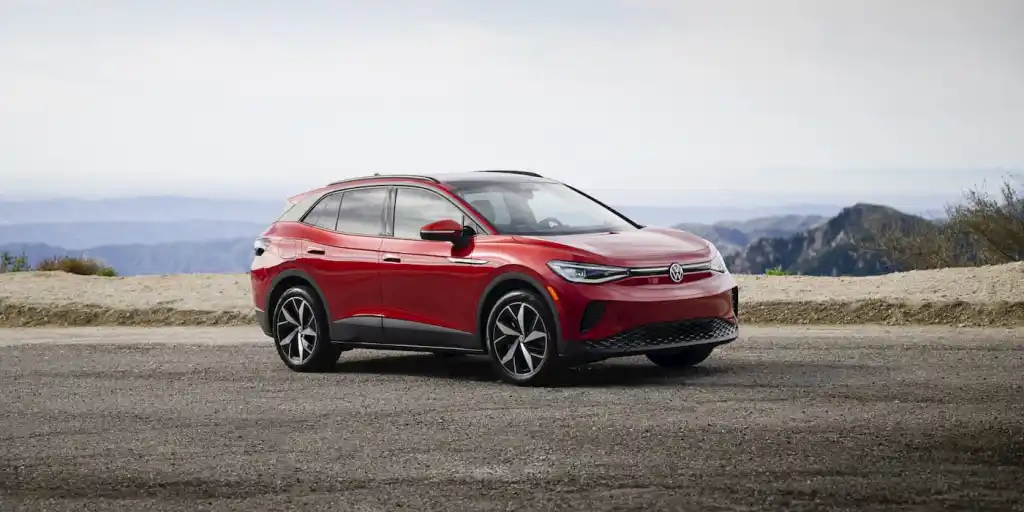
“The upcoming model updates and new launches are expected to reignite momentum in our Chinese EV business,” the company stated.
Meanwhile, Volkswagen emerged as the dominant EV manufacturer in Germany, with seven of its vehicles ranking among the top ten bestselling models, according to Germany’s KBA motor authority. Tesla’s Model Y, which led the rankings a year ago, fell to seventh place after sales declined nearly 70%.
Tesla has struggled to maintain its European market position amid controversies surrounding CEO Elon Musk’s political stances and an ageing product portfolio.
See also: Volkswagen, FAW Set Joint Venture Model Roadmap Through 2030
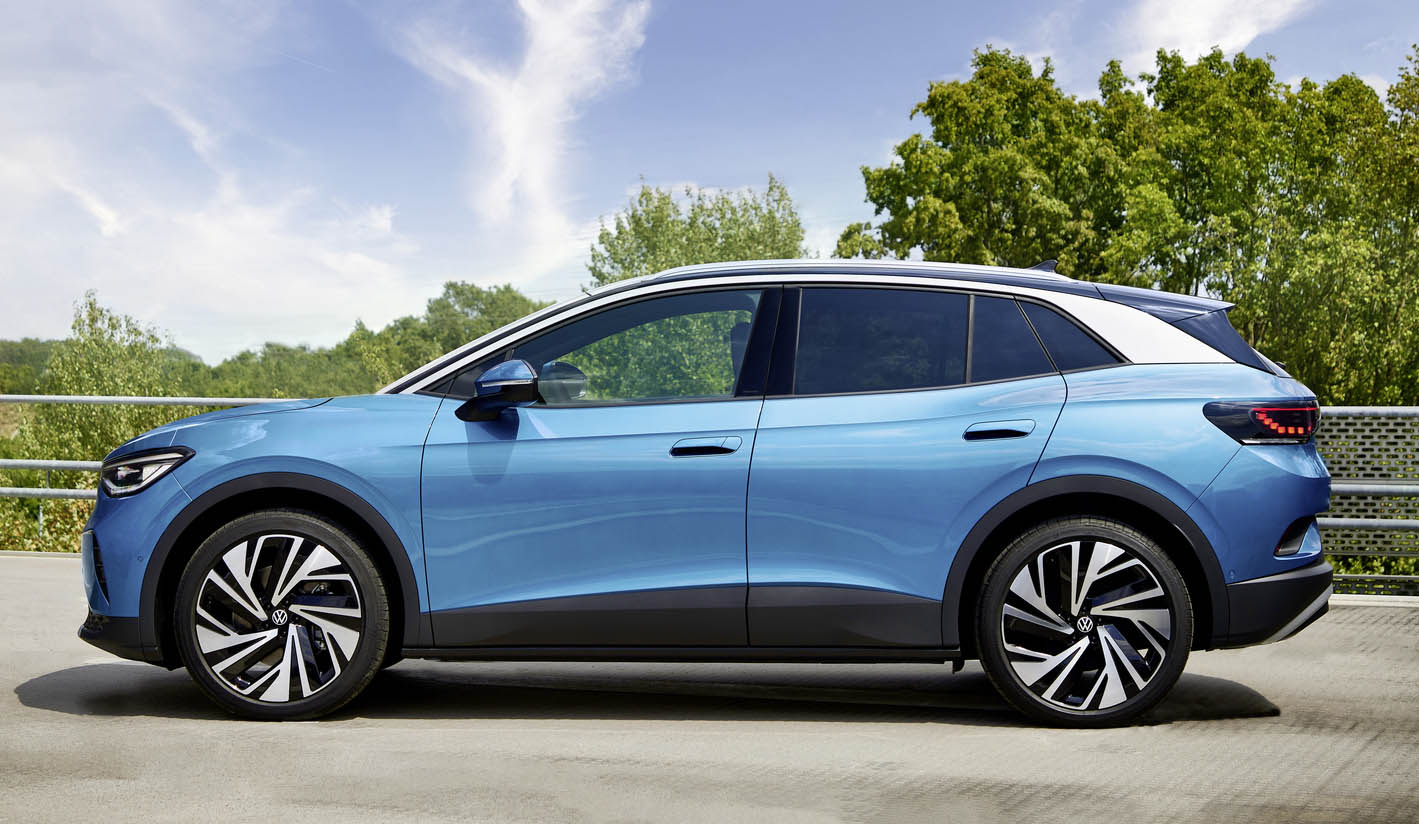
In the United States, Volkswagen reported a 6.2% increase in sales, which the company believes may be linked to customers accelerating purchases ahead of expected U.S. tariffs. With most Volkswagen-brand vehicles in the U.S. produced in Mexico and premium models such as Audi, Porsche, and Lamborghini imported from Europe, the group remains vulnerable to the expanding transatlantic trade dispute.