


New registrations of battery-electric vehicles in the United Kingdom rose sharply in 2025, with electric cars approaching a quarter of all new passenger vehicle sales and light electric commercial vehicles setting a fresh annual record, according to industry data released this week.
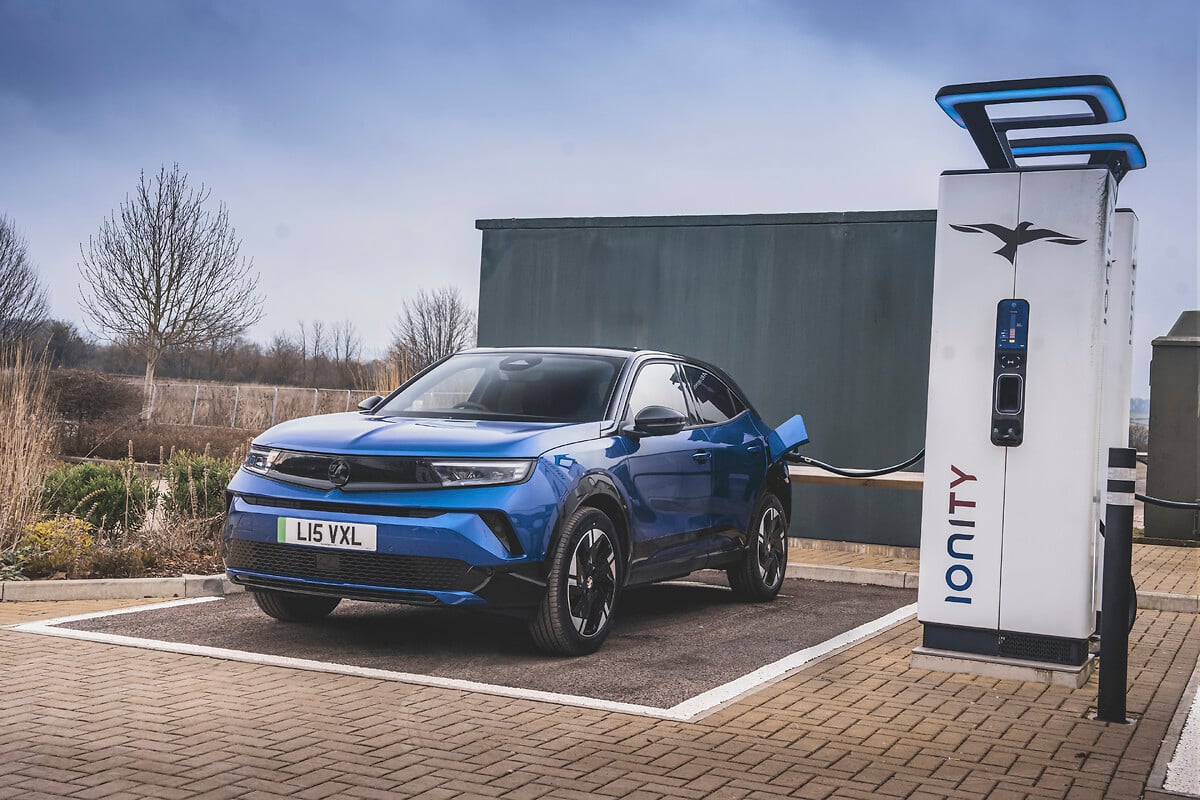
A total of 473,348 battery-electric passenger cars were registered in the UK in 2025, up 23.9% from the previous year, data from the Society of Motor Manufacturers and Traders (SMMT) showed. The share of battery-electric vehicles (BEVs) in new passenger car registrations increased to 23.4%, from 19.6% in 2024, as overall new car registrations climbed 3.5% year on year to 2.02 million units.
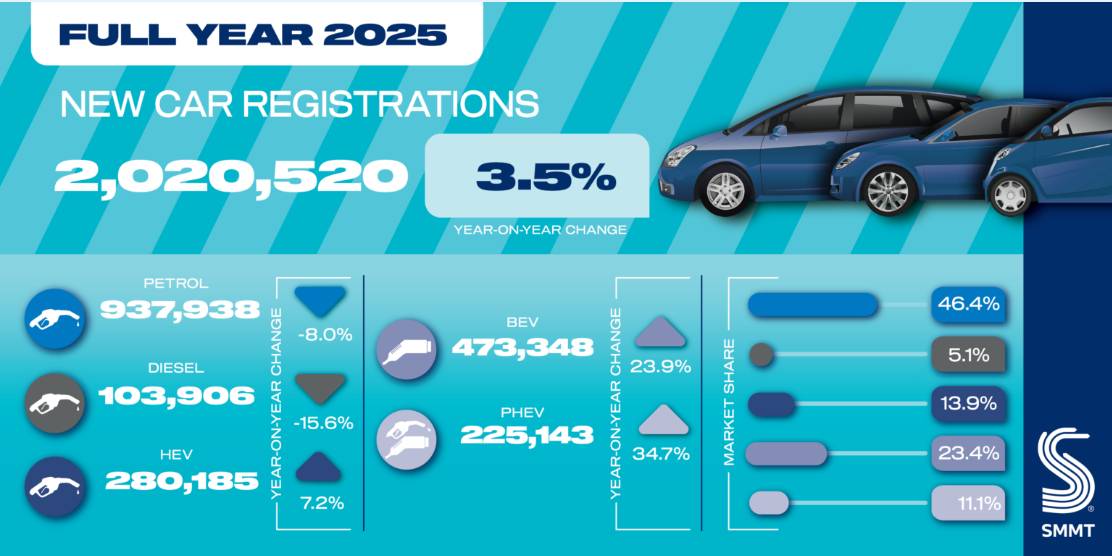

Growth in electric car sales was driven overwhelmingly by fleets, with 90,607 registrations, compared with 4,230 business purchases and 51,412 private registrations. SMMT said the expansion came as model availability reached a record high of around 160 battery-electric options, with at least 60 additional models expected in 2026.
“The new car market finally reaching two million registrations for the first time this decade is a reasonably solid result amid tough economic and geopolitical headwinds,” said Mike Hawes, chief executive of SMMT. “Rising EV uptake is an undoubted positive, but the pace is still too slow and the cost to industry too high.”
Despite the gains, combustion-engine vehicles continued to account for a narrow majority of new car registrations at 51.5%, highlighting what the industry body described as mixed progress toward full electrification.
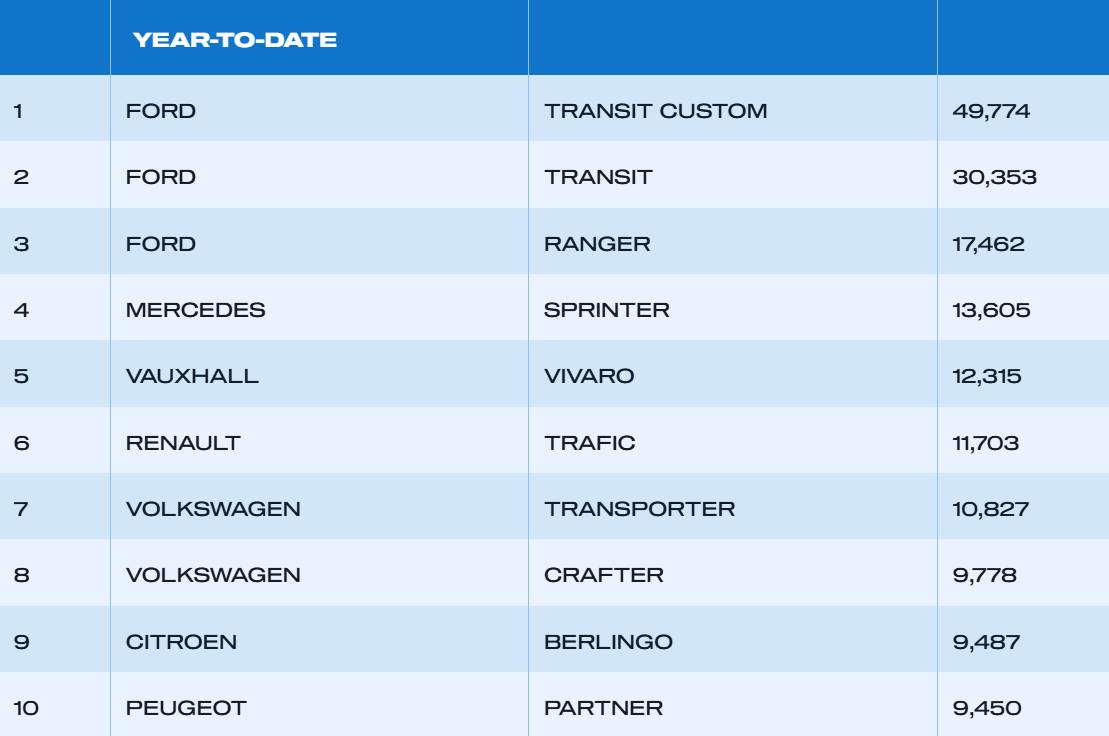

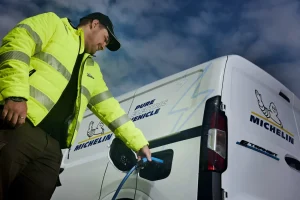
Electric van registrations also reached a new high. The UK recorded 30,169 new light electric commercial vehicles in 2025, an increase of 36.2% from 2024, even as the overall van market declined 10.3% to 315,422 units. Ford models dominated the electric van rankings, followed by Mercedes and Vauxhall.
“2025’s new van market reflects a tough economic environment, which constrained fleet investment,” Hawes said. “While rising EV uptake is encouraging, it has come at a huge cost to industry and remains significantly adrift of ambition.”
SMMT reiterated calls for clearer policy signals, warning that new taxes on electric vehicles, local charging fees and uncertainty over incentives could slow adoption despite growing demand and investment.


