
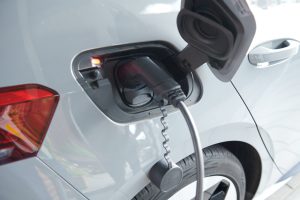



Uber Technologies plans to invest more than $100 million in building fast-charging infrastructure to support the rollout of autonomous electric vehicles on its platform, focusing initially on major U.S. metropolitan areas, according to reports by Bloomberg and the New York Times.
The company said the funding will cover site development, equipment procurement, grid connections and related infrastructure needed to deploy high-power charging stations. The first locations will be in the San Francisco Bay Area, Los Angeles and Dallas, aligning with planned launches of robotaxi services in those regions.
Uber intends to own and operate the charging assets for its future autonomous fleets, arguing that direct control will improve operational efficiency. Owning chargers “improves efficiency, lowers costs and keeps vehicles on the road longer, maximising utilisation and uptime,” the company said.
Two major partnerships underpin the robotaxi strategy. Uber plans to deploy thousands of driverless ID. Buzz AD vans in cooperation with Volkswagen, with an initial launch in Los Angeles. Separately, it aims to introduce at least 20,000 autonomous vehicles based on the Lucid Gravity electric SUV through a collaboration with Lucid and autonomous technology company Nuro, beginning in the San Francisco Bay Area.
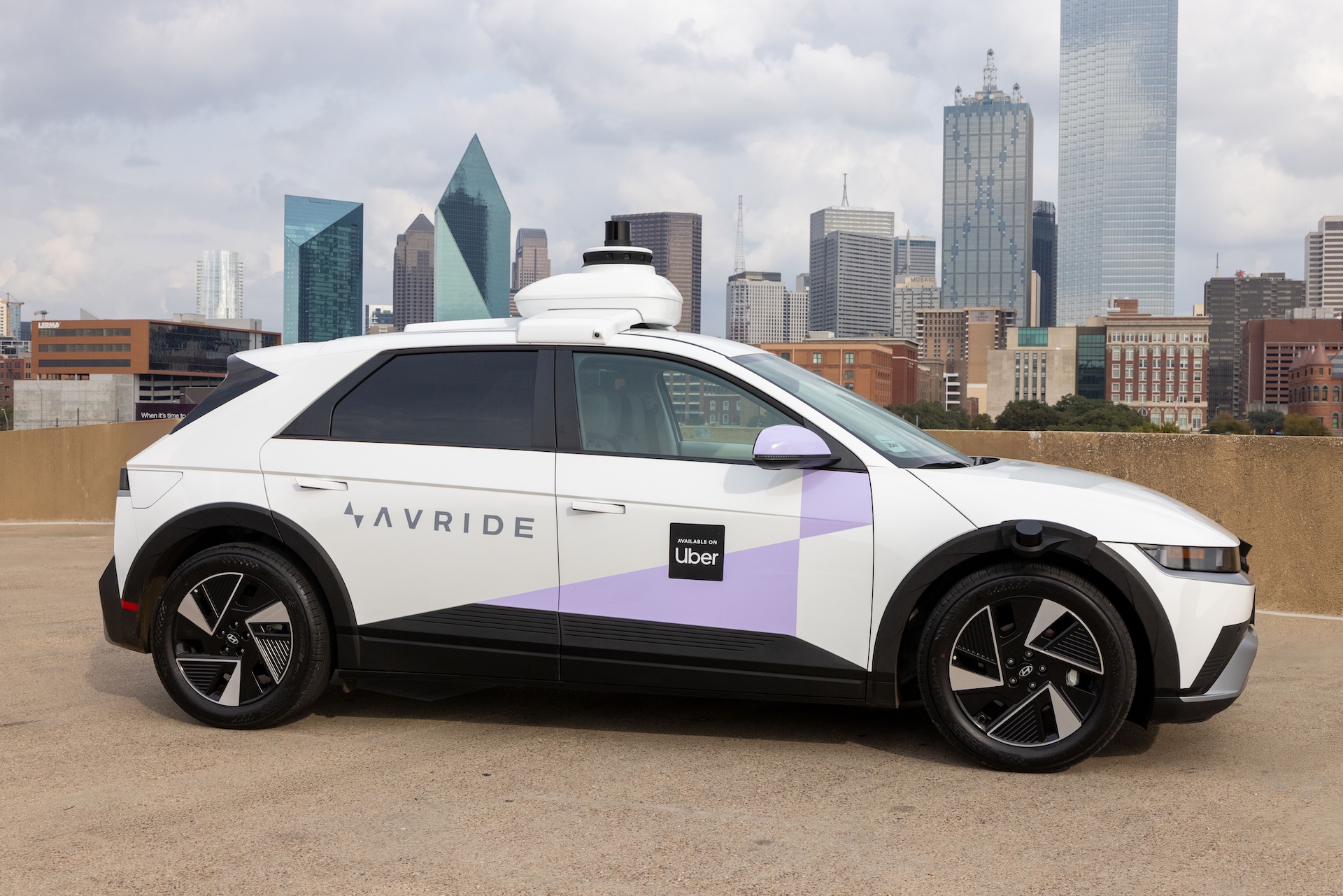
The company has already introduced a robotaxi service in Dallas with startup Avride, while autonomous vehicles operated by Waymo can be booked through the Uber app in cities including Phoenix, Austin and Atlanta.
Beyond autonomous vehicles, Uber is also promoting electrification among human drivers. In the United States, drivers can receive grants of up to $4,000 toward the purchase of an electric vehicle. The company has established partnerships with charging providers to expand infrastructure and offer discounted rates to drivers, including agreements with EVgo in several U.S. cities and with European operators such as Electra, Hubber and Ionity.
These arrangements aim to stimulate installation of new charging stations while ensuring high utilisation levels. In New York, for example, Uber drivers receive discounted access to charging hubs operated by Revel.
Ionity Chief Executive Jeroen van Tilburg told the New York Times that data from ride-hailing platforms can help identify optimal charging locations, noting that selecting suitable sites is one of the most critical challenges for infrastructure providers.
Uber plans to launch robotaxi services in up to ten U.S. cities later this year, positioning autonomous electric vehicles as a central component of its long-term mobility strategy.


