
Turkey will introduce new tariffs on imported cars from mid-November, with fully electric vehicles facing higher duties than combustion engine models, the Ministry of Trade said on Monday.
The regulation applies to vehicles imported from countries outside the European Union and those without free trade agreements with Turkey. The ministry said the move aims to protect domestic production, safeguard jobs and reduce the current account deficit.
Under the new rules, additional customs duties will be set at 25% of the customs value or at least $6,000 per unit for combustion engine and hybrid vehicles, excluding plug-in hybrids. Plug-in hybrids will be charged 30% or a minimum of $7,000, while fully electric cars will face 30% or no less than $8,500.
At the same time, Turkey will remove a 60% special tariff on U.S.-made cars, which has been in place since 2018, bringing them under the same new rules.
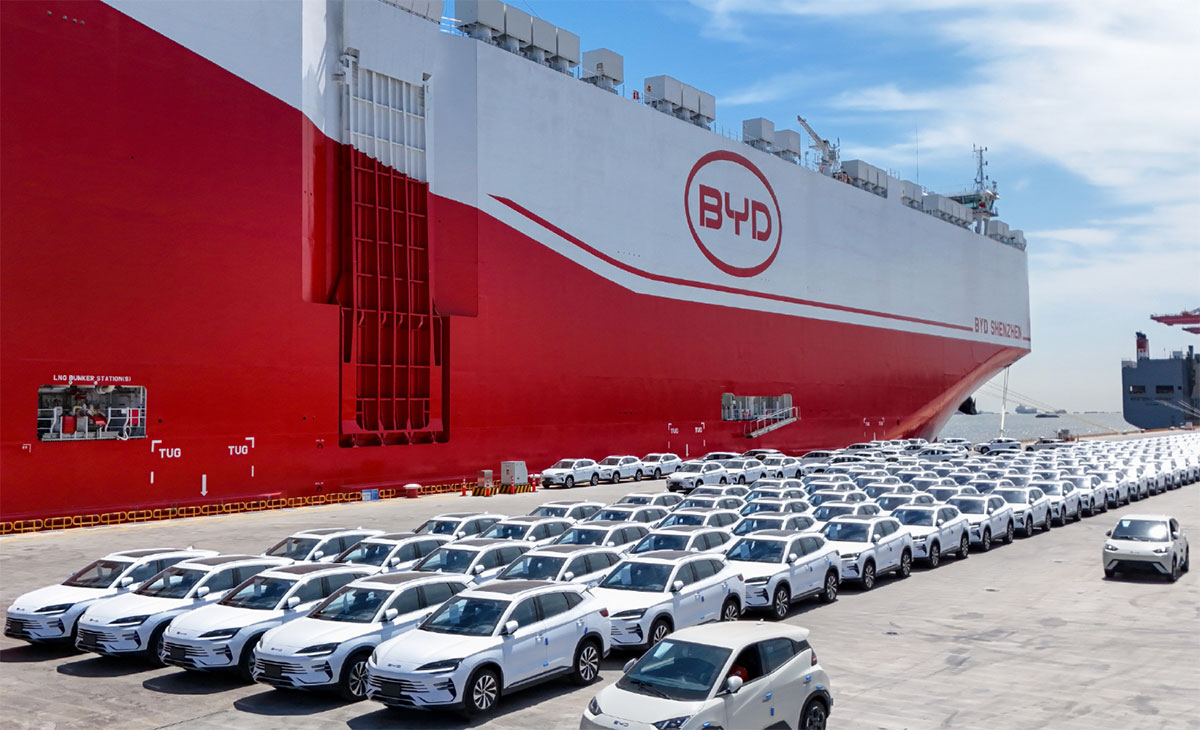
The measures are expected to affect imports from global brands without local production, such as Japan’s Toyota, Honda and Nissan, South Korea’s Hyundai and Kia, and EV makers Tesla and BYD. The impact on BYD may be limited, as it is building a factory in Turkey due to start production in 2026. Hyundai is also set to begin manufacturing the Ioniq 3 compact electric car at its İzmit plant in August 2025, which would exempt that model from the new duties.
A transition period will apply for imports already in progress, though no details were provided.
Turkey is Europe’s fourth-largest vehicle producer, with over 1.47 million units manufactured annually, most of which are exported. Major local producers include Ford Otosan, Toyota, Hyundai, Renault, Tofas and domestic EV maker Togg. The trade ministry expects vehicle exports to exceed $41 billion this year.