
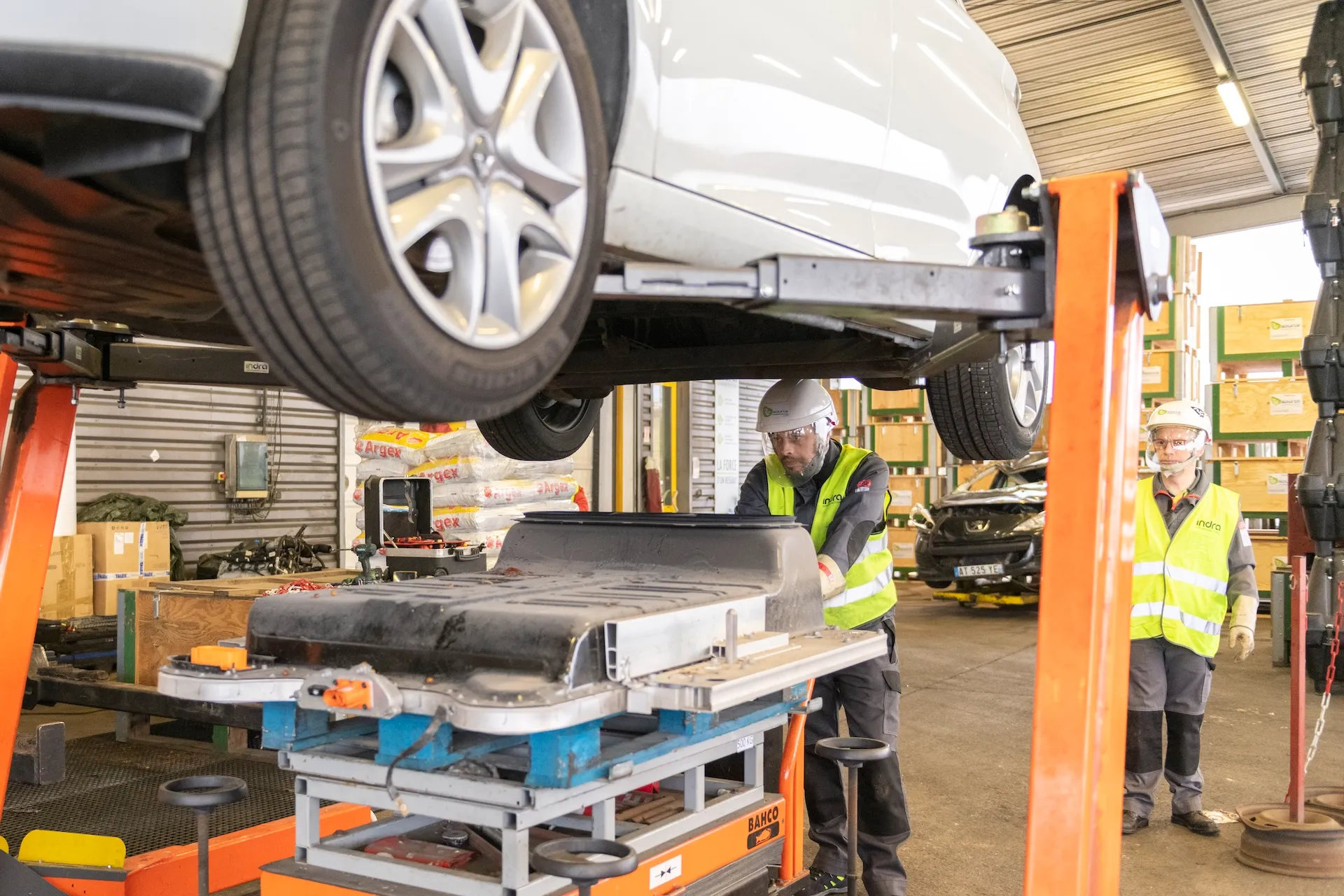
The Future is NEUTRAL, the circular economy entity of the Renault Group, has secured approval to operate France’s first Individual System (IS) for the management of end-of-life electric vehicle (EV) batteries. The authorization, published in the Official Journal on November 28, 2025, specifically applies to Renault Group vehicles and establishes a new precedent for automotive recycling practices in the region.
This move ensures compliance with the Extended Producer Responsibility (EPR) regulations on EV battery recycling, which have been in force since August 2025. The regulations require automotive manufacturers to either join a collective Producer Responsibility Organization (PRO) or establish a demanding Individual System, demonstrating complete control over the value chain from collection to recycling.
See also: Accurec Opens New Lithium Recovery Facility in Germany to Boost EU Battery Recycling
By choosing the IS route, The Future is NEUTRAL secures direct access to critical recycled metals, such as lithium, cobalt, and nickel, which are essential for European industrial sovereignty. The International Energy Agency (IEA) has highlighted the urgency of effective recycling, predicting that demand for these materials could increase three to sixfold by 2040 due to EV adoption.
The company leverages its established subsidiaries for operations. INDRA AUTOMOBILE RECYCLING manages End-of-Life Vehicles (ELVs), specializing in the diagnosis and securing of EV batteries before directing them to recycling channels. Meanwhile, subsidiary GAIA focuses on repairing and reusing batteries, having repaired over 18,000 units since 2012. Batteries no longer suitable for automotive use are prepared for second-life applications, such as stationary energy storage.
Yann Velluet, VP Battery Business at The Future is NEUTRAL, noted that the approval validates the entity’s competitive strategy. “This first approval reinforces our belief in the competitiveness of our Individual System offer for the end-of-life management of electric vehicle batteries. By leveraging our subsidiaries’ expertise, we are capable of proposing this solution to all automotive manufacturers,” Velluet said.
The approval is a strategic step toward developing a closed-loop European battery recycling sector, which will be mandated by European regulation starting in 2031 to ensure recycled metals are reintegrated into new batteries.