


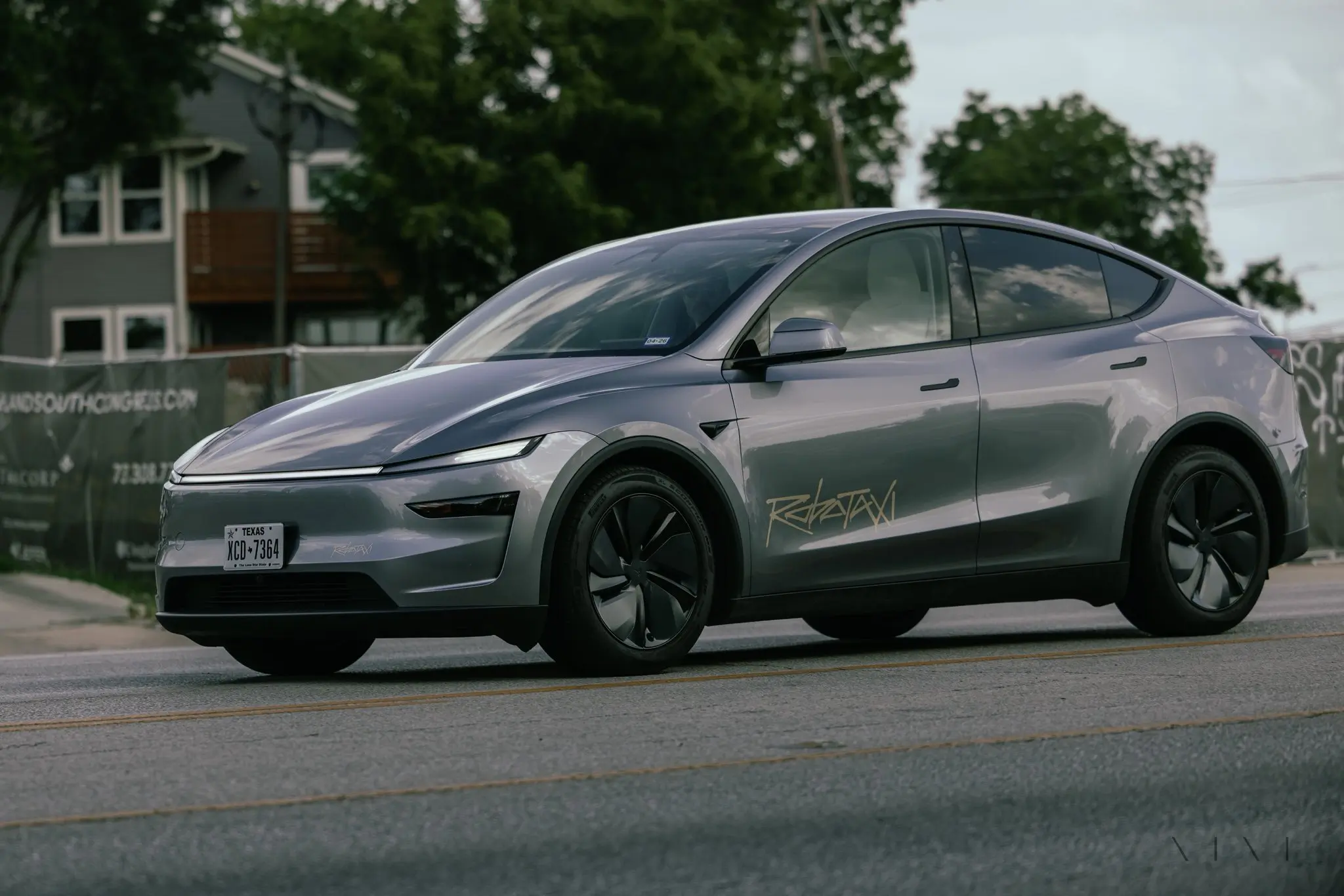
Tesla plans to allow personally owned vehicles to join its robotaxi network as early as 2026, CEO Elon Musk said during the company’s Q2 2025 earnings call. The update signals a broader rollout of Tesla’s autonomous ride-hailing ambitions, which began with a pilot program in Austin, Texas, using company-owned vehicles.
“I’d say confidently next year,” Musk said when asked when private Tesla vehicles could be added to the fleet. “I’m not sure when next year, but confidently next year.”
Tesla launched its initial robotaxi fleet in June with up to 20 Model Y vehicles operating within a limited geo-fenced zone in Austin. Each vehicle is currently equipped with a safety operator in the front passenger seat and supported remotely by Tesla staff. The company reports the fleet has accumulated 7,000 autonomous miles since launch without major incidents.
The program began on an invite-only basis but has gradually expanded its pool of eligible riders and geographic coverage within the city. According to Musk, further expansion in Austin is expected “in a couple of weeks.”
Looking ahead, Musk said Tesla is planning to launch in the San Francisco Bay Area next, followed by Nevada, Arizona, and Florida. “As soon as we get the approvals and we prove our safety, then we’ll be launching autonomous ride-hailing in most of the country,” he said. “I think we’ll probably have autonomous ride-hailing in probably half the population of the U.S. by the end of the year.”
Tesla’s VP of AI software, Ashok Elluswamy, added that the company is already testing in several cities and anticipates the Bay Area rollout will include a safety driver, similar to Waymo’s early deployments. He said this approach is expected to streamline the regulatory approval process.
Musk also reaffirmed that Tesla’s purpose-built Cybercab—an autonomous vehicle without a steering wheel or pedals—remains on track for volume production in 2026.


