



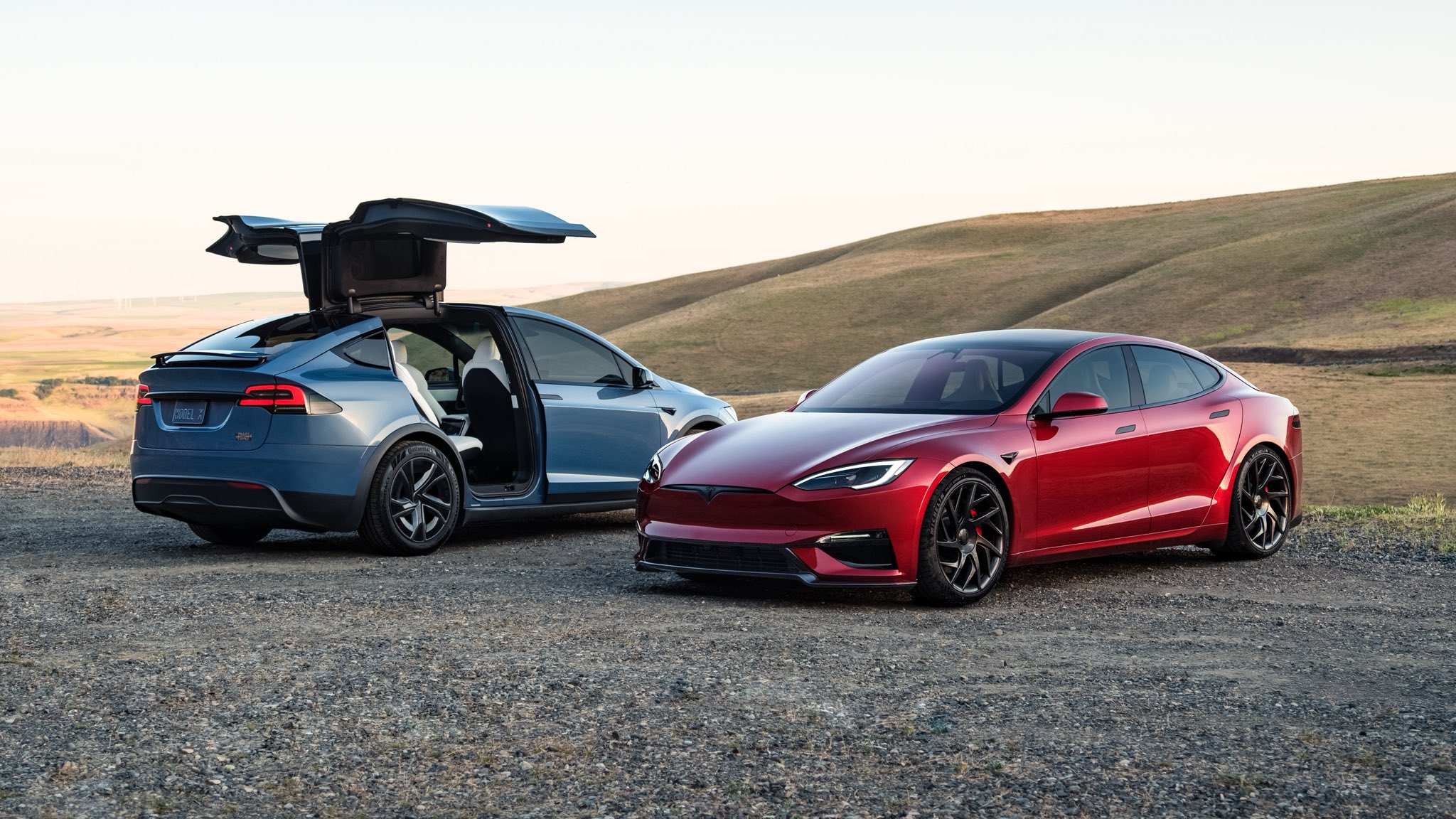
Tesla will cease production of its flagship Model S sedan and Model X sport utility vehicle as the company pivots toward robotics and artificial intelligence, Chief Executive Elon Musk said during the automaker’s fourth-quarter 2025 earnings call.
“It is time to bring the Model S and Model X programs to an end with an honorable discharge,” Musk said. “It’s part of our overall shift to an autonomous future.”
See also: Tesla Beats Q4 Earnings Expectations as Margins Improve and Energy Business Sets Records
Tesla will transition the Model S and Model X production lines at its Fremont, California factory to manufacture the Optimus humanoid robot, with Musk saying the facility is expected to support output of up to one million robots annually. The company will continue providing after-sales service for existing Model S and Model X vehicles in the United States but will stop deliveries in the second quarter once remaining inventory is sold.
In China, Tesla’s second-largest market, the company stopped accepting new orders for the two models in April 2025. The decision reflects a long-term decline in their contribution to Tesla’s overall sales as the automaker’s lineup shifted toward more affordable vehicles.
See also: Tesla Denies Report of Major Job Cuts at Giga Berlin, Says Staffing Stable
Tesla groups the Model S, Model X and Cybertruck under “Other Models” in its quarterly delivery reports. That category accounted for about 20% of global deliveries in early 2019 but fell to around 4% by the fourth quarter of 2022 and declined further to 2.78% in the fourth quarter of 2025, following the success of the Model 3 and Model Y.
The Model S, Tesla’s first mass-produced vehicle, began U.S. deliveries in 2012, while the Model X entered the market in 2015. Although the two vehicles retained flagship status due to their performance and premium positioning, Musk has previously said they were kept in production largely for “sentimental reasons,” according to earlier media reports.
See also: Musk Says Tesla Could Secure FSD Approval in Europe and China as Early as Next Month
Tesla’s strategic focus is increasingly centered on autonomy, robotics and AI-driven products. The company has said Optimus is expected to become one of its most significant offerings in the coming years, alongside its energy storage and software businesses.
By ending Model S and Model X production, Tesla is freeing manufacturing capacity to support that shift, underscoring its move away from low-volume premium vehicles toward technologies it believes will define its next phase of growth.


