
A new lawsuit has been filed against Tesla following a fatal crash in Idaho that killed four members of the same family, with the plaintiffs alleging that the automaker’s driver-assistance technology failed to keep the vehicle in its lane and contributed to the accident, The Independent reported.
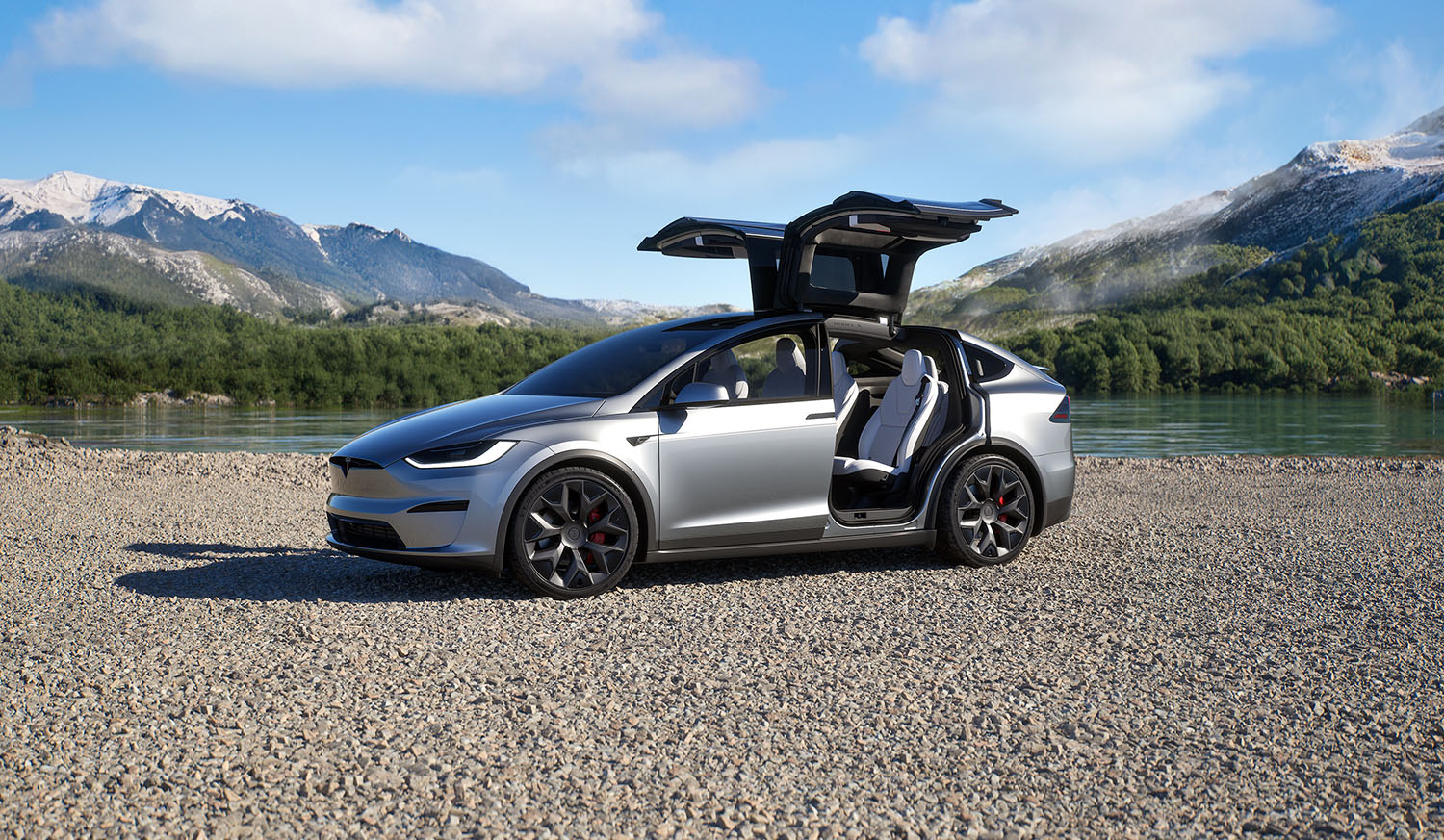
The complaint, filed by surviving family member Nathan Blaine, relates to a Sept. 1, 2023 crash involving a 2022 Tesla Model X on Idaho State Highway 33. According to the filing, the vehicle abruptly crossed into an oncoming lane while navigating a gentle curve and collided head-on with a semi-truck, killing Jennifer Blaine, her two daughters and her son-in-law, as well as the family dog.
See also: Tesla Q4 Deliveries Fall 15% to 418,227, Marking Second Straight Annual Decline
The lawsuit alleges that Tesla’s Autosteer system — part of its Autopilot and Full Self-Driving driver-assistance suite — was engaged at the time of the crash and failed to prevent the vehicle from leaving its lane or warn the driver in time. The plaintiffs also accuse Tesla and its chief executive, Elon Musk, of overstating the safety of the company’s vehicles and advanced driver-assistance features.
“Tesla’s done a lot of good things, but they did this inadequately,” said Lynn Shumway, an attorney representing the family. “I think the technology is fantastic, but not the way Tesla is implementing it.”
See also: Tesla Reports Record Expansion of Global Supercharger Network in 2025
The case adds to growing legal scrutiny of Tesla’s driver-assistance systems after the automaker lost its first major U.S. Autopilot-related trial last year, when a Florida jury found the company partially liable for a fatal crash and awarded plaintiffs $243 million. Since that verdict, Tesla has faced further lawsuits and has settled some cases before trial.
Tesla has long said its Autopilot and Full Self-Driving features require drivers to remain attentive and ready to intervene at all times. The Idaho lawsuit argues that the family relied on public statements suggesting the systems were safer than human drivers, and that Tesla’s camera-based driver monitoring at the time was inadequate compared with systems using infrared eye-tracking.
See also: Tesla Marks Production of 9 Millionth Vehicle at Shanghai Factory
The lawsuit seeks damages for wrongful death and alleges defects in Tesla’s lane-keeping and warning functions, as well as misleading marketing practices.