
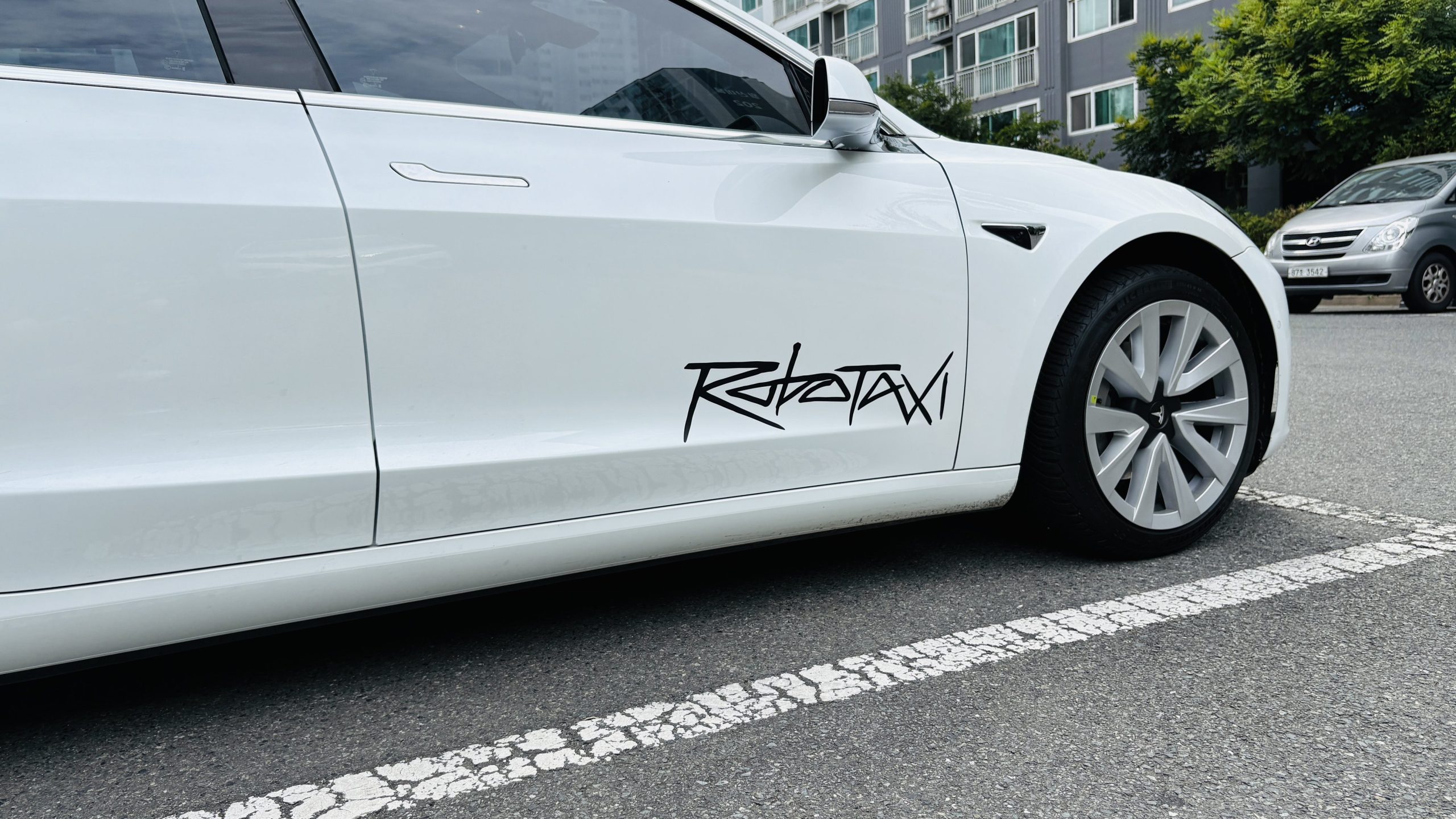
Tesla is preparing to launch its robotaxi ride-hailing platform in several U.S. states, including California, Florida, Arizona, and Nevada, as part of a broader strategy to rapidly expand its autonomous vehicle network. The company said it plans to increase the geofenced operational area of its current pilot in Austin, Texas by tenfold in the coming weeks.
The expansion follows internal evaluations of the Austin trial, which Tesla executives say provided scalable insights that can be applied nationwide. The company is aiming to extend its robotaxi service to cover 50% of the U.S. population by the end of 2025.
According to CEO Elon Musk, robotaxi operations could begin in the San Francisco Bay Area as early as September, contingent on regulatory approvals. Musk added that the autonomous ride-hailing service is expected to make a material financial contribution by the end of 2026.
“The actual cost per mile of Cybercab will be very low,” Musk said during the company’s earnings call. “Robotaxi will go from tiny to gigantic in terms of operations in a pretty short period of time.”
Tesla’s current ride-hailing program utilizes factory-produced Model Y vehicles, which Musk estimates cost roughly $0.50 per mile to operate. When the purpose-built Cybercab is introduced in 2026, Tesla expects operating costs to drop to around $0.30 per mile, enabling the company to scale the service further, potentially using external financing.
Tesla’s approach differs from other autonomous vehicle operators such as Waymo, relying solely on camera-based vision systems rather than LiDAR or high-definition maps. Company officials said this allows for faster validation and broader deployment.
In Nevada, the Department of Motor Vehicles confirmed it has held preliminary discussions with Tesla and does not anticipate regulatory obstacles once standard documentation is submitted.
Tesla plans to announce further market entries in the coming months, depending on state-level regulatory approvals and infrastructure readiness.