




Suzuki Motor will acquire the solid-state battery operations of Japanese technology company Kanadevia, with the transaction set to take effect on July 1, 2026, as automakers intensify efforts to develop next-generation battery technologies.
Kanadevia, formerly known as Hitachi Zosen Corporation until its rebranding in October 2024, has spent roughly two decades developing solid-state lithium-ion battery technology. The company began research into the technology as early as 2006, well before it gained widespread attention within the automotive industry.
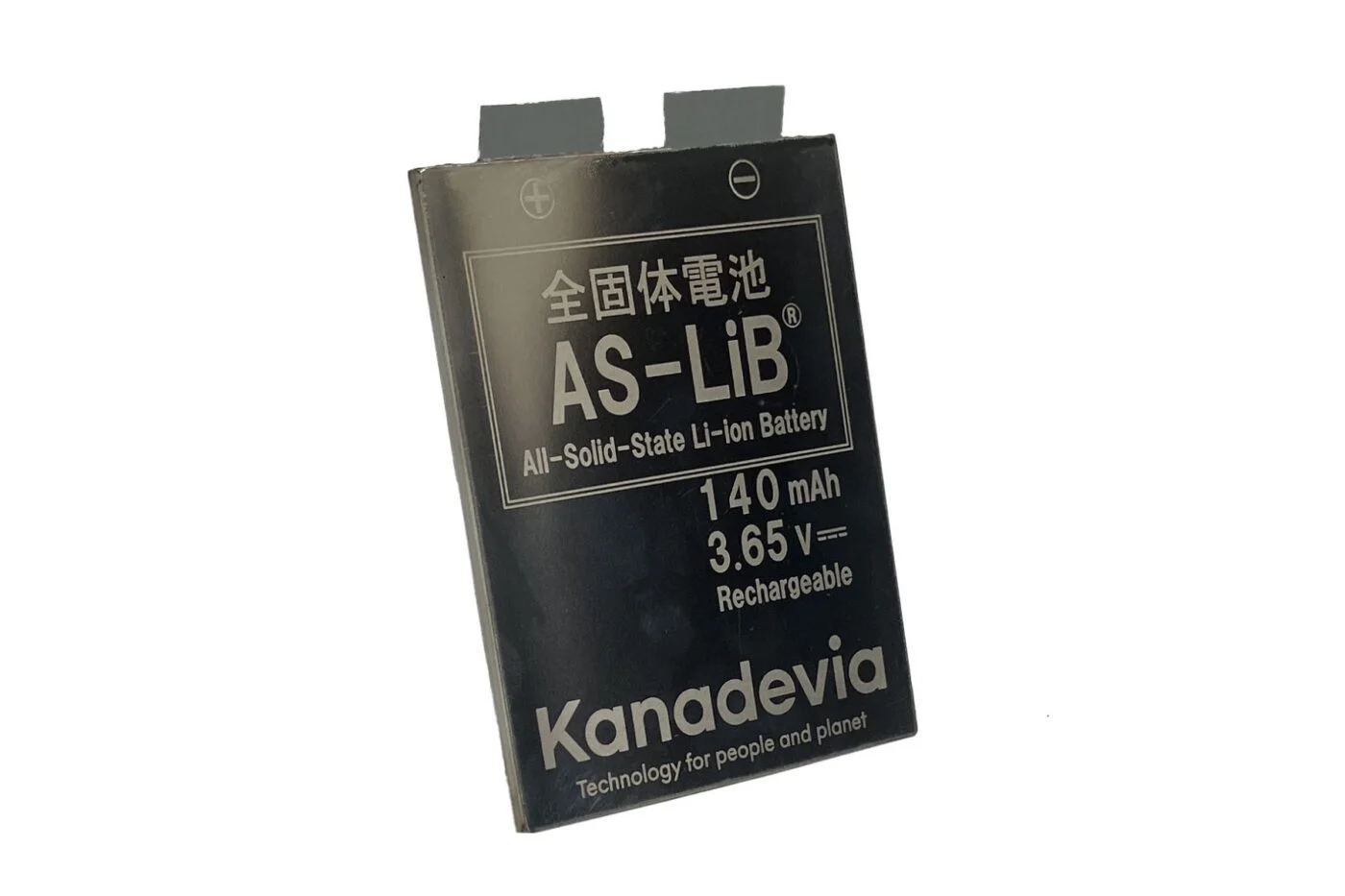
Under the AS-LiB brand, Kanadevia launched its first commercial solid-state batteries for specialised applications in 2024. The batteries have been deployed in demanding industrial environments, including semiconductor manufacturing, where high temperatures are common.
The technology has also been tested in space. In collaboration with the Japan Aerospace Exploration Agency, a Kanadevia solid-state battery was installed on the exterior of the International Space Station’s Kibo module in 2022. The system successfully operated under vacuum conditions and exposure to radiation and extreme temperature changes, after which JAXA certified the battery for space applications.
Suzuki said the acquisition could help accelerate its efforts in solid-state battery development. “Through its proprietary dry manufacturing process, Kanadevia’s all-solid-state lithium-ion batteries offer high safety, including the absence of liquid leakage, excellent environmental resistance, and operation across a wide temperature range,” the company said.
Solid-state batteries replace the liquid electrolyte used in conventional lithium-ion batteries with a solid ion-conducting material, potentially offering higher energy density, faster charging speeds, longer driving range and improved safety.
The technology has become a major focus for the automotive industry. Japanese automakers Nissan and Toyota have already announced plans to introduce solid-state batteries in future vehicles, while global manufacturers including Mercedes-Benz, Stellantis and Volkswagen are pursuing similar technologies through partnerships with companies such as Factorial and QuantumScape.
Suzuki has not yet disclosed specific plans for integrating the technology into its vehicle lineup. However, the company noted that solid-state batteries could be particularly beneficial for compact vehicles such as Kei cars and motorcycles, where smaller battery size and improved energy density are important advantages.
Kanadevia said it decided to sell the business after competition in the solid-state battery sector intensified in recent years.
The company said the market environment has increased the need for faster performance improvements, the development of mass production capabilities and stronger commercialisation efforts for its AS-LiB technology. After evaluating several partnership options, Kanadevia concluded that transferring the business to Suzuki would provide the best path for advancing the technology.


