






Stellantis has been granted a patent for a new battery safety system designed to limit thermal runaway in electric vehicles, outlining a foam-based mechanism intended to suppress overheating before it spreads through a battery pack.
According to the patent filing, the system integrates fire-retardant foam channels and deployment components directly into the battery pack. When sensors detect abnormal heat in a battery cell, the system is designed to release insulating foam around the affected area, isolating the cell and slowing or preventing a chain reaction that could lead to a battery fire.
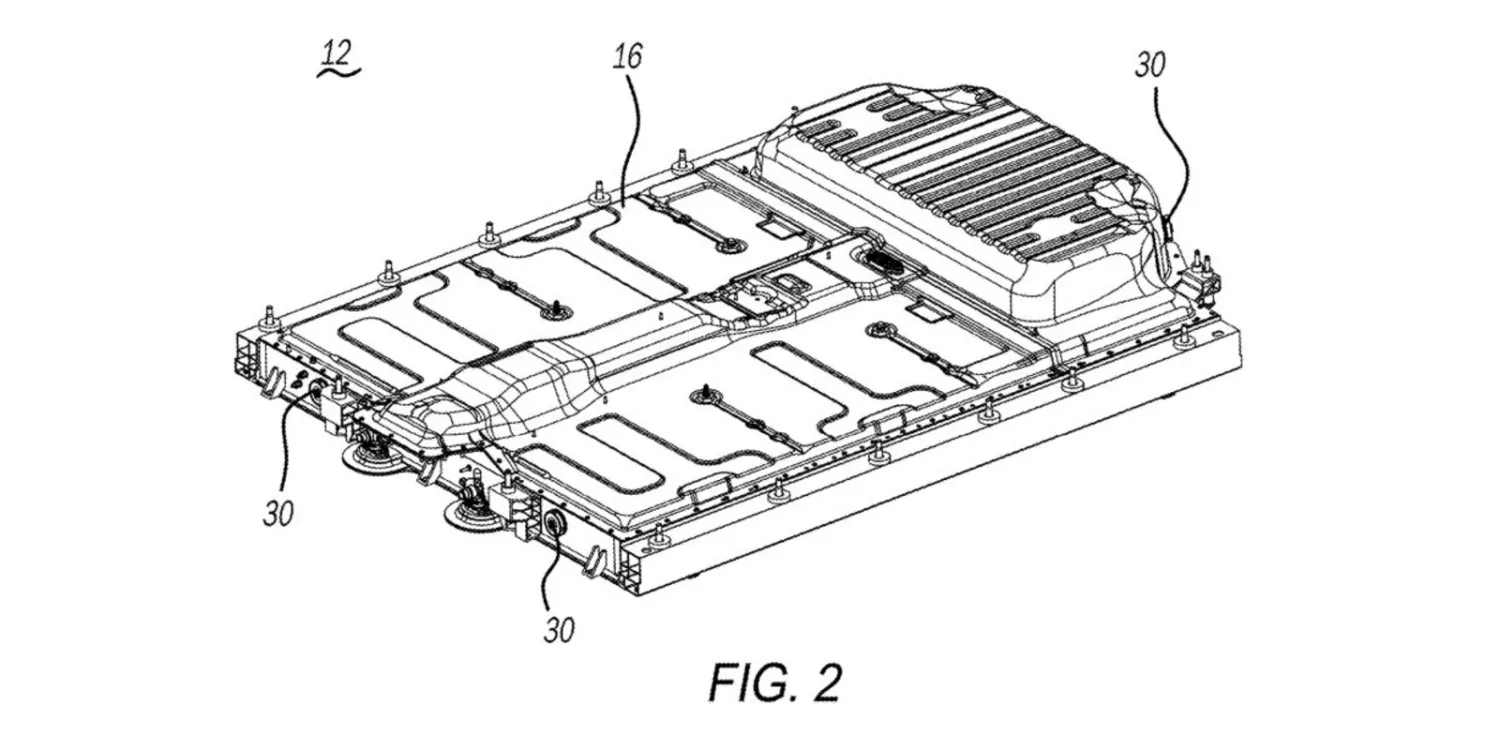

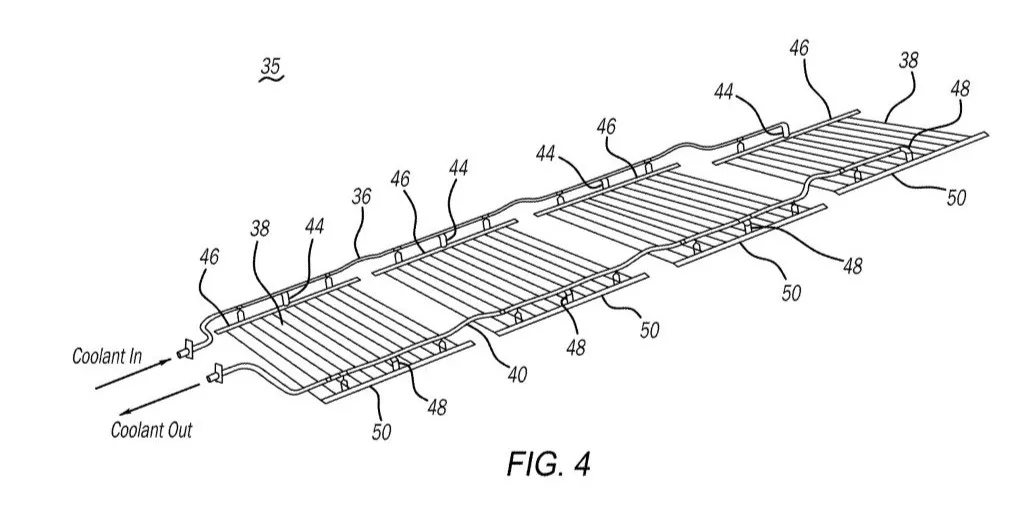
The design differs from conventional approaches that rely mainly on passive barriers or containment after a failure occurs. Instead, Stellantis’ concept uses active intervention, combining temperature monitoring with mechanical actuators that puncture bladders and coolant lines to release fire-retardant material and cooling foam at targeted locations within the pack.
The patent describes components including a flexible bladder filled with fire-retardant chemicals, blade mechanisms to rupture the bladder and specific coolant pathways, and controller-linked actuators that activate the system when a thermal event is detected.

While electric vehicle fires are statistically less frequent than those involving combustion-engine vehicles, battery safety remains a key concern for regulators, manufacturers and consumers. Stellantis’ patent suggests the automaker is continuing to invest in EV safety technologies, even as it reassesses some near-term electric vehicle product plans.
The company has not said whether or when the patented system will be deployed in production vehicles. Patent awards do not guarantee commercial application, but they often signal areas of active research and development.


