



Stellantis reported higher battery-electric vehicle (BEV) shipments in Enlarged Europe during the third quarter of 2026, helping the automaker increase total regional shipments by 10% year over year. Across all markets, the company recorded an estimated 1.3 million vehicle shipments, down 1% from the same period in 2025.
The European increase was driven by both Stellantis-branded vehicles and Leapmotor models, with BEV shipments contributing to growth. However, lower deliveries in North America and the Middle East and Africa offset the gains at group level.
BEVs Support Growth in Enlarged Europe
Stellantis shipments in Enlarged Europe increased by approximately 54,000 units year over year. The company attributed the rise to growth across its own brands and Leapmotor, supported by battery-electric vehicle deliveries.
Vehicles based on the Smart Car platform contributed approximately 26,000 additional shipments. The platform underpins models including the Citroen C3 and C3 Aircross, Opel/Vauxhall Frontera and Fiat Grande Panda.
Light commercial vehicle shipments also increased by approximately 7,000 units, with BEV versions leading the growth. The company did not disclose the total number or share of BEVs within its European shipment figures.
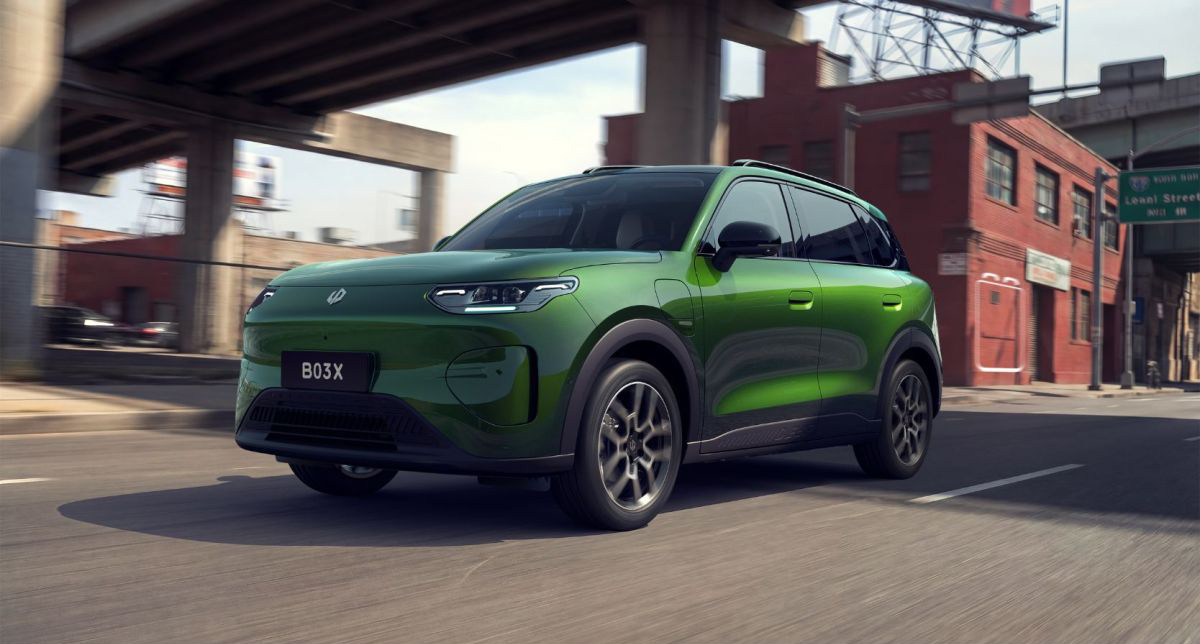
Leapmotor-branded shipments rose by approximately 34,000 units to 44,000 units. Stellantis attributed the increase to new model launches, including the B10 and B03X. The reported figure covers Leapmotor vehicles overall rather than BEVs alone.
Other models also contributed to the regional shipment result. The new Fiat 500 Hybrid added approximately 6,000 units, while the new Jeep Compass contributed around 5,000 units. These gains were partly offset by lower shipments of several other models, including the Opel Corsa, Opel Mokka, Citroen C4, Alfa Romeo Junior and Peugeot 2008.
Regional Declines Offset European Gains
Despite the increase in European shipments, Stellantis’ total deliveries declined by 1% year over year.
In North America, shipments fell by approximately 47,000 units, or 12%, primarily because of planned summer production shutdowns affecting models including the Jeep Grand Cherokee and Compass. Higher Ram shipments partly offset the decrease.
In the Middle East and Africa, shipments dropped by approximately 20,000 units, or 21%, mainly due to lower volumes in Türkiye. South American shipments decreased slightly, while Asia Pacific deliveries fell by around 6% to approximately 15,000 units.
Stellantis did not identify BEV shipment volumes for each of these regions in its third-quarter estimate, limiting comparisons of electric vehicle performance across markets.
BEV Shipments Within the Group’s Delivery Figures
The third-quarter results indicate that BEV shipments were a contributor to growth in Enlarged Europe, alongside new model launches and increased Leapmotor deliveries. However, the overall shipment figures include vehicles with different powertrain types and do not provide a separate group-wide BEV total.
Stellantis defines shipments as vehicles delivered to dealers, distributors or directly to retail and fleet customers. The company said these deliveries generally drive revenue recognition.
The figures are estimates for the three months ended September 30, 2026. A more detailed assessment of the group’s electric vehicle performance would require separately reported BEV deliveries, which were not included in the shipment announcement.


