
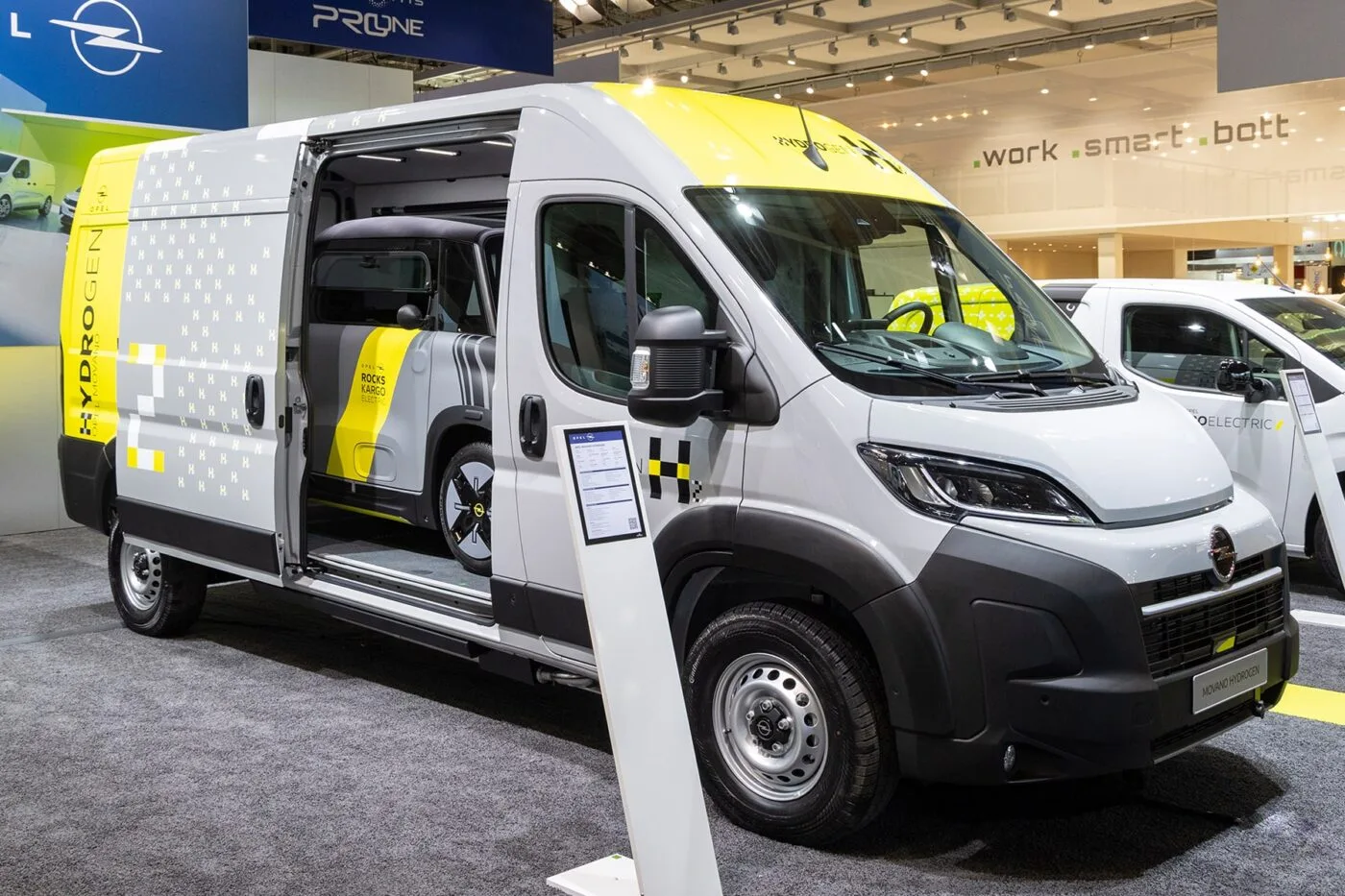
– Stellantis has decided to discontinue its hydrogen fuel cell technology development programme in Europe, cancelling the planned production of hydrogen-powered Pro One vans in France and Poland, as the automaker reevaluates the viability of the technology in the light commercial vehicle market.
The move comes after a strategic review by the company, which identified limited hydrogen refuelling infrastructure, high investment requirements, and insufficient demand incentives as key barriers to commercial success. Production of the fuel cell versions of vans such as the Citroën ë-Jumpy, Peugeot E-Expert, and Opel Vivaro, which was scheduled to begin this summer at Stellantis’ Hordain plant in France and Gliwice facility in Poland, will now not proceed.
“In a context where the Company is mobilizing to respond to demanding CO2 regulations in Europe, Stellantis has decided to discontinue its hydrogen fuel cell technology development program,” said Jean-Philippe Imparato, Chief Operating Officer for Enlarged Europe. “The hydrogen market remains a niche segment, with no prospects of mid-term economic sustainability. We must make clear and responsible choices to ensure our competitiveness and meet the expectations of our customers with our electric and hybrid passenger and light commercial vehicles offensive.”
The decision also affects previously announced plans for right-hand drive hydrogen vans for the UK, which Stellantis shelved earlier this month. These models were also being built in France and Poland. The cancellation marks a shift in the company’s strategy, following previous expectations that hydrogen vans could reach up to 40% market share in the segment, as stated by Jean-Michel Billig, the group’s hydrogen programme chief, in April.
Despite the programme’s termination, Stellantis confirmed that staffing levels at its European manufacturing sites will not be impacted. Employees involved in the hydrogen programme will be reassigned to other electrification-related projects, as part of the company’s ongoing transition toward battery-electric and hybrid vehicle offerings.
The development also raises questions about the future of Symbio, Stellantis’ hydrogen joint venture with Forvia and Michelin. In response, the company said it has “initiated discussions with the shareholders of Symbio to evaluate the current market consequences and to preserve the best interests of Symbio, in line with their respective obligations.”