


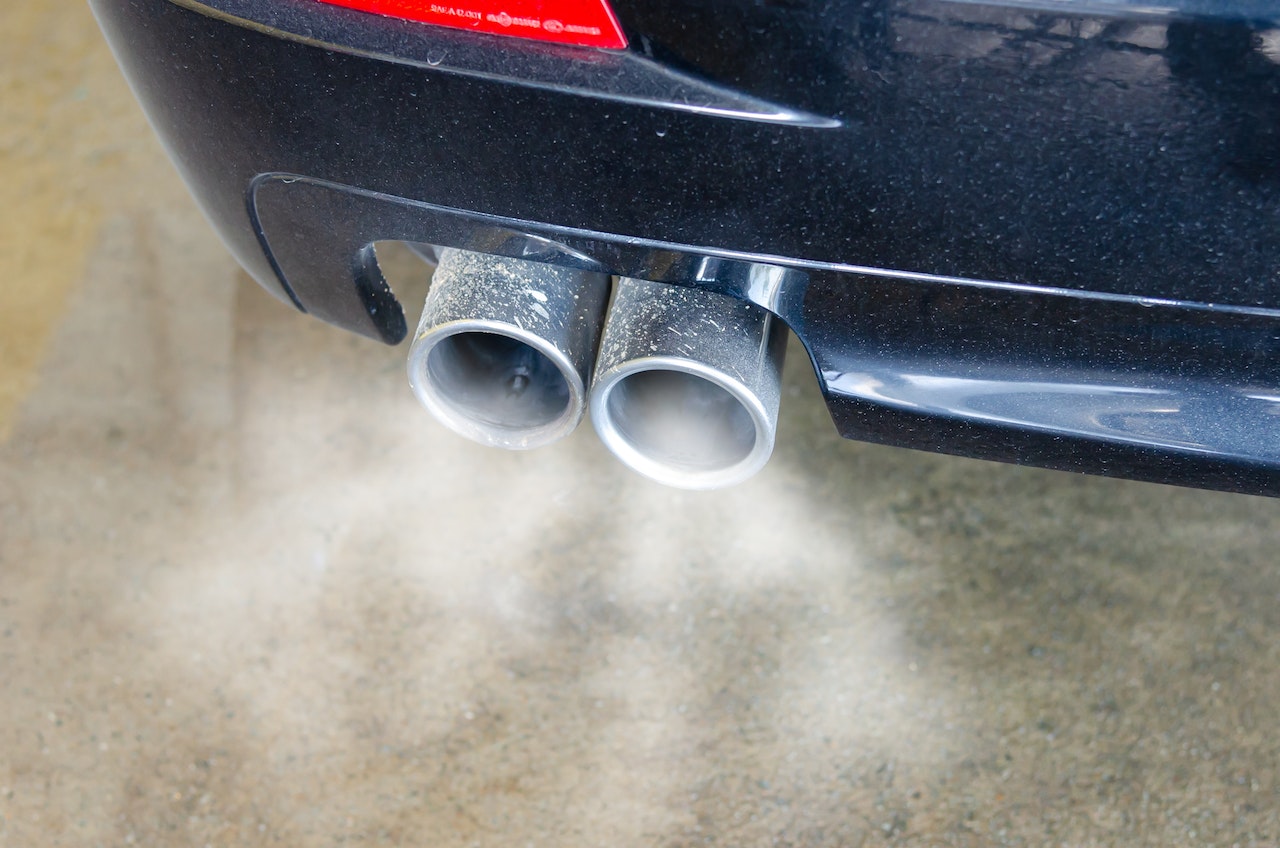
Stellantis has filed a patent application in the United States for an exhaust system designed to address potential safety risks associated with overheating electric vehicle (EV) batteries. The system aims to prevent the ignition of flammable gases that could be released during thermal runaway events, which can occur when batteries overheat.
The patent outlines a system that channels gases, such as hydrogen and hydrocarbons, which are produced when a battery suffers thermal runaway. These gases can accumulate within the battery housing and pose a fire risk if ignited at high temperatures.
See also: Stellantis Expands Partnership with Mistral to Enhance AI-Driven Industry Data Analysis
Stellantis’ solution involves directing these gases out of the battery pack to prevent ignition. In severe cases where a battery fire does occur, the exhaust system is designed to mitigate further damage caused by the burning battery.
According to the patent, the gases would be routed through multiple treatment zones within the exhaust system, designed to chemically alter the gases and reduce their flammability. “A plurality of treatment zones for chemically treating the flow of gases to eliminate or at least reduce the number of various chemical species from the flow,” Green Car Reports quoted from the application.
See also: Stellantis Takes Full Control of Hybrid Transmission Joint Venture with Punch Powertrain
While the patent may raise concerns about EV safety, German media outlet Auto, Motor und Sport emphasized that such incidents are statistically rare in electric vehicles. “The exhaust system described should thus only be used in a statistically extremely rare case to increase safety for the occupants,” the outlet noted.
It is important to clarify that the proposed exhaust system is unrelated to Stellantis’ earlier work on simulating combustion engine sounds in electric vehicles. The company’s upcoming battery-electric Dodge Charger Daytona EV, for instance, will feature a system designed to imitate the sound of a V8 engine, which is not connected to the new safety-focused exhaust patent.
Source: auto-motor-und-sport.de