



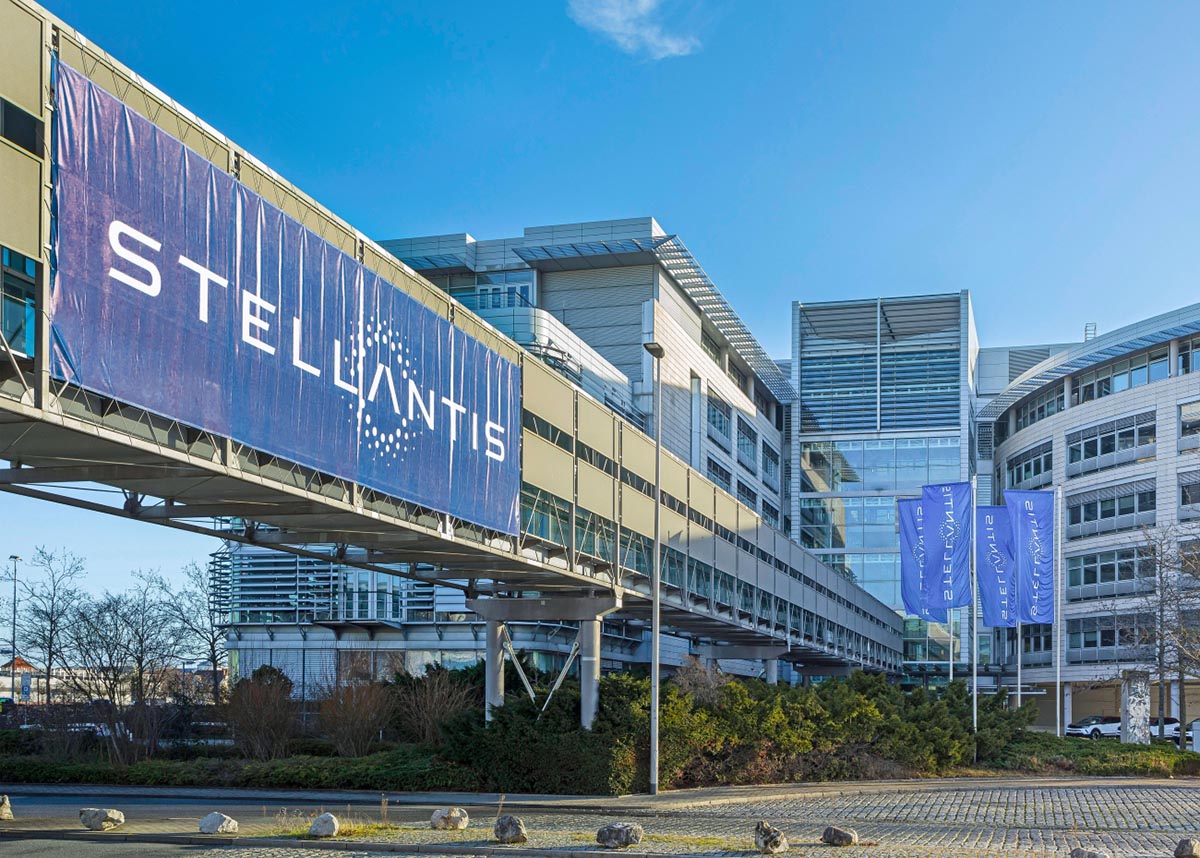
Stellantis is weighing a potential withdrawal from its StarPlus Energy battery joint venture with South Korea’s Samsung SDI, Bloomberg reported, citing people familiar with the matter, as the automaker reassesses its electric vehicle strategy amid softer demand and regulatory changes.
The joint venture is building two battery cell plants in Kokomo, Indiana, and already operates a facility at the site producing stationary battery energy storage systems. A withdrawal would mark another step in Stellantis’s broader review of electrification investments under Chief Executive Antonio Filosa, who took the helm in June 2025.
See also: Stellantis Takes €22.2 Billion Charges as CEO Pivots Away From Aggressive EV Push
In recent months, the group has announced major write-downs totaling about 22.2 billion euros ($24 billion), largely tied to battery-electric vehicle programs, and has scaled back several EV initiatives, including plans for an electric version of the Ram 1500 pickup. Other battery partnerships have also been reshaped, with plans for certain European gigafactories canceled and a separate joint venture transferred to partner control.
Stellantis said discussions with Samsung SDI are ongoing and no final decision has been reached. “We continue to hold discussions with Samsung regarding the future of our joint venture, StarPlus Energy,” the company said in a statement. Samsung SDI has not publicly commented on the matter.
See also: Volkswagen, Stellantis Urge EU to Back ‘Made in Europe’ Electric Vehicles
Any exit could carry financial consequences, including potential write-downs or compensation to the partner. Stellantis had intended to use cells produced at the Indiana plants for its electric vehicles, though the facilities could continue operating under different ownership if the stake were sold to Samsung SDI or another investor.
The automaker, which owns brands including Fiat, Peugeot, Opel, Chrysler, Jeep and Ram, is expected to require fewer battery cells than previously projected. Filosa has attributed the shift to slower-than-anticipated EV adoption and changes in U.S. policy, including the expiration of federal purchase incentives and looser emissions rules for internal combustion vehicles.
Industry analysts say such developments are prompting automakers to recalibrate investment timelines across the electric mobility supply chain.


