



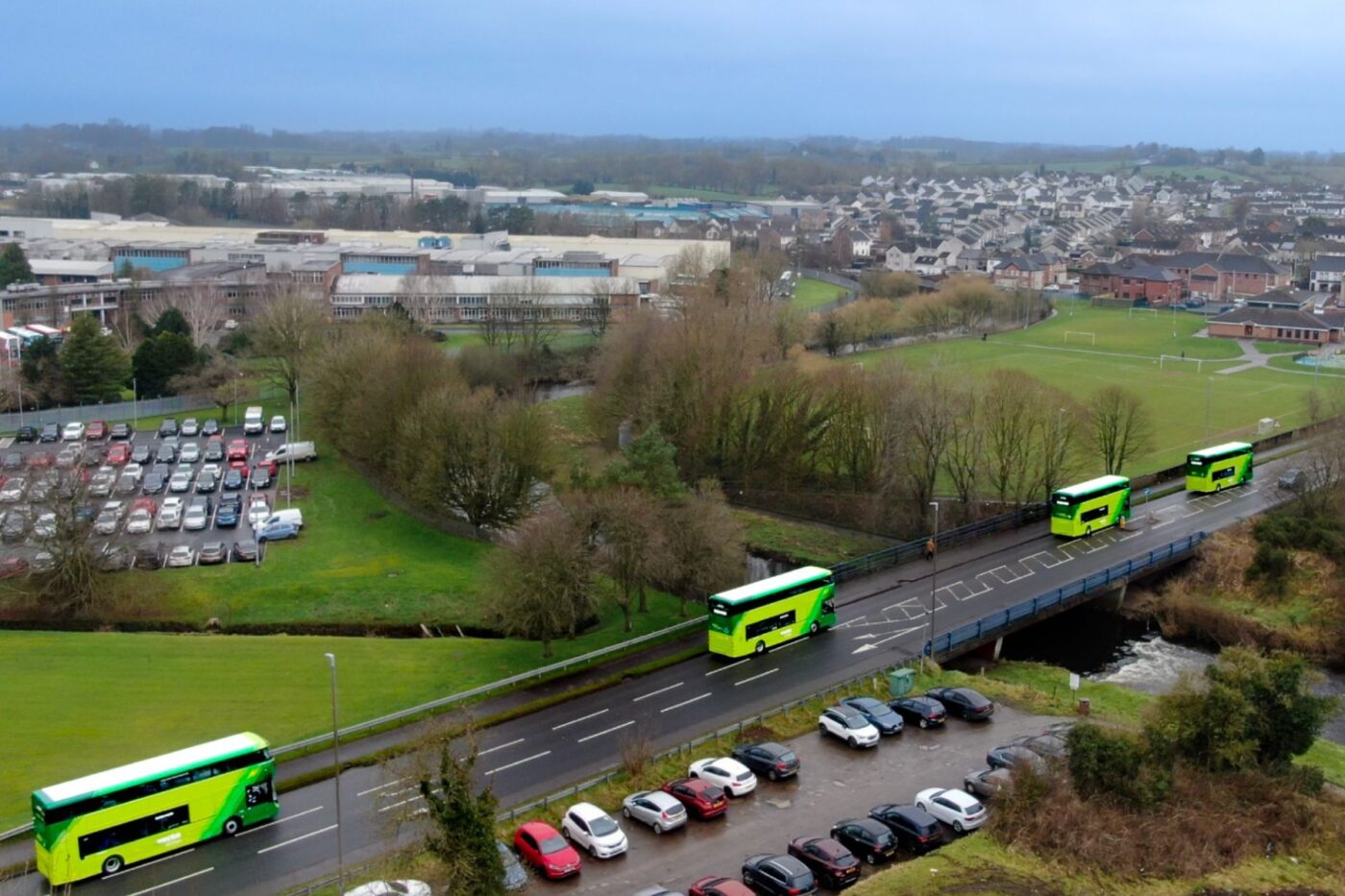
Southern Vectis has introduced 31 battery-electric double-decker buses into service on the Isle of Wight, marking a significant step in the operator’s transition toward zero-emission public transport.
The new buses were built by Wrightbus and were partly funded through the UK government’s Zero Emission Bus Regional Areas programme, known as ZEBRA-2 Scheme. The project represents a £10.7 million investment by Southern Vectis, with additional financial support from Isle of Wight Council, which contributed £733,000.
“I am delighted that Southern Vectis is now at the forefront of the nation’s sustainable transport. Buses are the perfect solution to improving air quality, and I’d urge people living here and visiting to use these new vehicles,” said Ed Wills, Managing Director of Southern Vectis. “This joint investment between DfT, Southern Vectis and Isle of Wight Council will ensure greener, better journeys for our customers – and have a significant impact [on] the Isle of Wight’s overall carbon emissions.”
The vehicles are Wrightbus StreetDeck Electroliner models from the Gen 2.0 range. Each double-decker is equipped with a lithium iron phosphate battery system supplied with cells from CATL, providing a capacity of 442 kWh and an estimated driving range of up to 275 miles (442 kilometres). The buses also feature electric drive axles from ZF.
“It’s been a pleasure for Wrightbus to support Southern Vectis as introduces zero-emission electric buses onto the Isle of Wight,” said John McLeister, Sales Director at Wrightbus. “These Gen 2 Electroliners are the most efficient battery electric buses we have ever produced, with class-leading range, charging speed and battery life.”
Wrightbus said the buses were designed and manufactured at its facility in Ballymena, Northern Ireland, with the project supporting jobs in the UK’s green manufacturing sector.
To support the new fleet, Southern Vectis has upgraded its depot in Newport, installing charging infrastructure for overnight depot charging. According to the operator, a full recharge of each double-decker bus takes between three and a half and four hours.


