





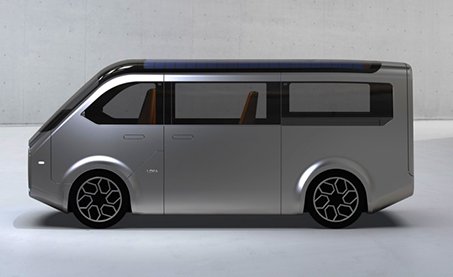
In collaboration with Foxconn, Sharp has unveiled its LDK+ electric minivan concept, designed to prioritize stationary time and transform the interior into an extension of the living room. A standout feature of this concept is a massive 65-inch display positioned in the rear, which enhances the user experience. However, it may take several years before Sharp’s first electric vehicle (EV) reaches the market.
Despite ongoing challenges in the global economy affecting the EV sector, Sharp is among the latest brands to announce plans to enter the electric vehicle market.

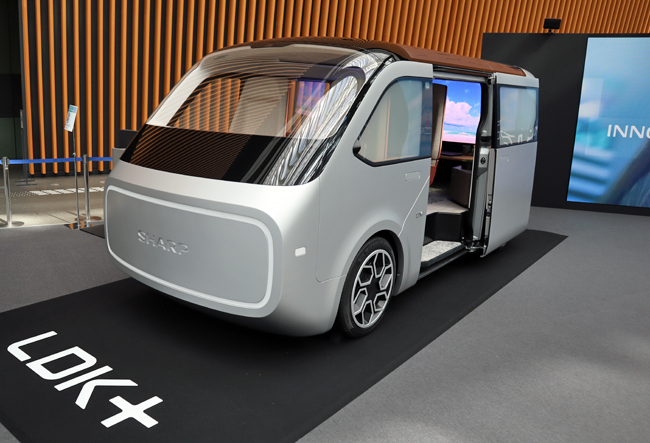
The LDK+ concept is equipped with AI technology and solar panels, although it remains a prototype, with an anticipated launch timeline of at least five years. Initially, the minivan will only be available in Japan.
The interior of the LDK+ emphasizes spaciousness, featuring rear seats that can swivel for added comfort. The AI system is designed to adapt the air temperature and screen brightness based on the user’s home environment, necessitating a connection to household appliances for accurate environmental data—a feature that raises potential privacy concerns.

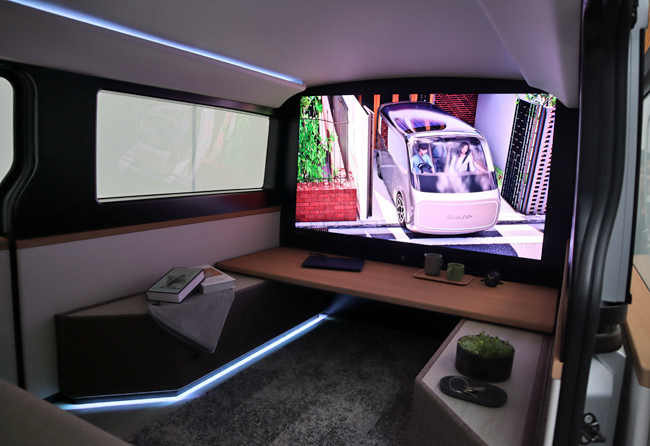
To enhance privacy, the vehicle includes liquid crystal shutters on both side windows. Additionally, the storage battery and solar panels enable users to harness energy for home use, as the vehicle can connect to a household power system, optimizing overall energy consumption.
Currently, detailed technical specifications for the LDK+ concept have not been released. Sharp officials have indicated that their goal of launching cars by 2030 is not fixed, suggesting that various factors could influence the minivan’s development. At present, the Sharp LDK+ serves as an intriguing glimpse into the future of electric mobility.


