




Seventeen European Union member states have signed a joint declaration of intent to promote the development and deployment of autonomous driving technologies across Europe, with a particular focus on enabling cross-border operations.
The non-binding agreement, signed during the EU Transport Council meeting in Luxembourg, seeks to improve coordination among member states and establish a common framework for autonomous vehicle testing and deployment on public roads.
The initiative was jointly proposed by Germany, France, and Luxembourg and forms part of the European Commission’s Industrial Action Plan for the European Automotive Sector, launched in March 2025 to strengthen the competitiveness and innovation capacity of the region’s automotive industry.
Harmonizing Standards Across Europe
A key objective of the declaration is the development of common European standards covering technology, safety requirements, and infrastructure needed to support autonomous vehicles operating across national borders.
The participating countries also aim to align national and European regulations to accelerate commercialization of autonomous driving technologies while enhancing the European Union’s competitiveness in the sector.
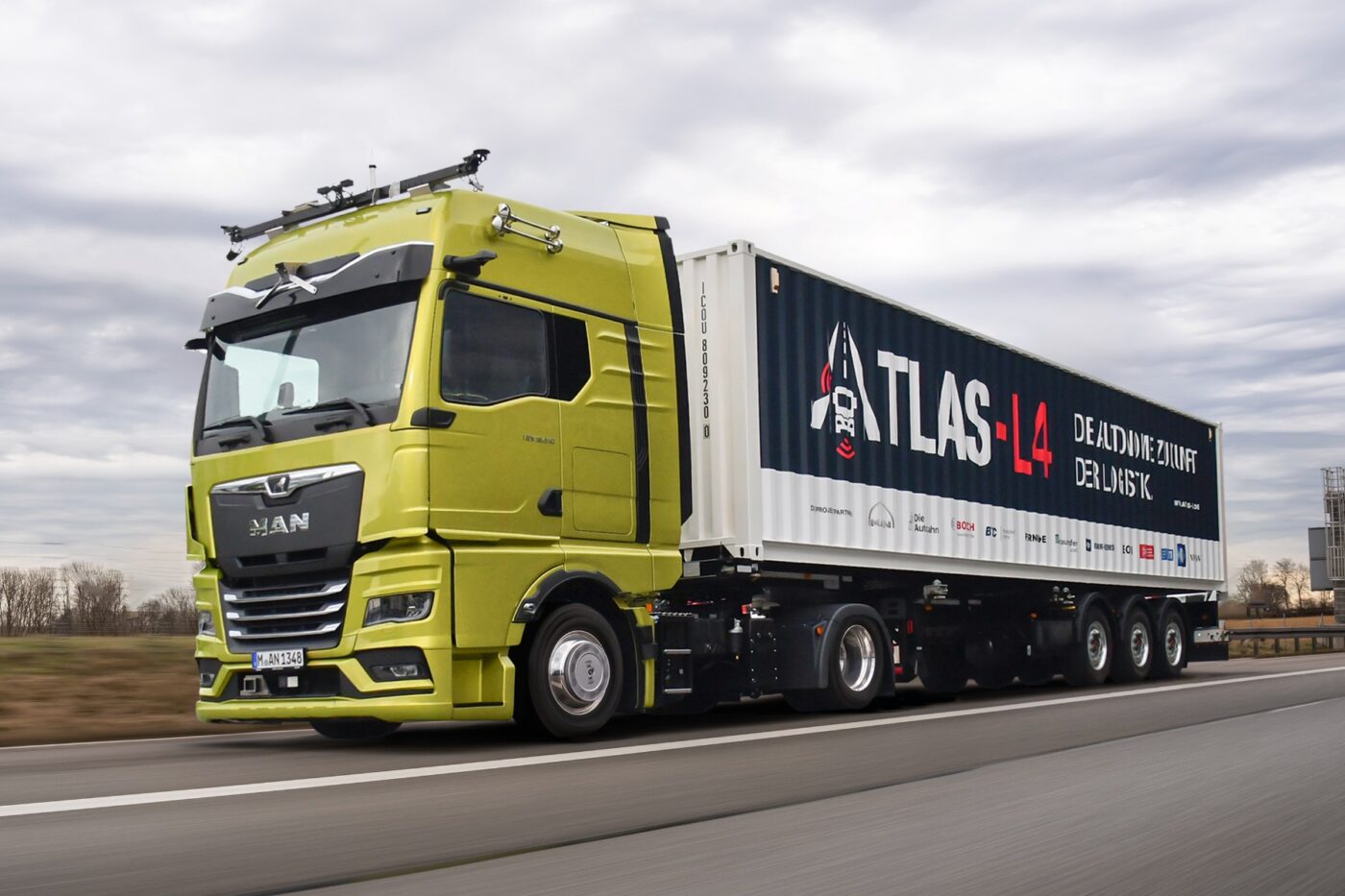
Potential applications include robotaxi services, autonomous public transportation systems, and automated freight transport operations.
Funding for Digital Infrastructure
According to reports from Deutsche Verkehrs-Zeitung, EU Transport Commissioner Apostolos Tzitzikostas announced that €20 million in funding from the Connecting Europe Facility (CEF) will be allocated to support the development of digital infrastructure required for autonomous driving.
A tender process for the funding is expected to begin later this month.
The investment is intended to help establish the digital foundations needed to support the safe operation of autonomous vehicles across multiple European markets.
Germany Highlights Cross-Border Opportunities
Germany has positioned itself as one of Europe’s early adopters of autonomous driving legislation. The country introduced a law in 2021 allowing autonomous vehicles to operate on designated routes under technical supervision and later adopted the Road Traffic Remote Control Ordinance in 2025, creating a legal framework for remotely supervised autonomous vehicles.
German Federal Transport Minister Patrick Schnieder said autonomous driving represents a critical technology for the future of mobility.
“Autonomous driving is not just a technical innovation but a key future technology for our mobility. Particularly in public transport and freight transport, it offers new opportunities for greater efficiency, safety, sustainability, and inclusion,” Schnieder said.
He added that the initiative would help expand existing cross-border testing activities involving Germany, France, and Luxembourg while supporting the development of harmonized European standards.
Industry Welcomes Coordinated Approach
The German Association of the Automotive Industry, German Association of the Automotive Industry, welcomed the declaration, describing it as a positive signal for the future deployment of autonomous vehicles across Europe.
VDA Managing Director Marcus Bollig emphasized the importance of regulatory consistency across the continent.
“For the successful scaling of Level 4 applications, we need rules that can be used across borders, harmonized procedures, and stronger mutual recognition of approvals. Europe cannot afford regulatory island solutions in autonomous driving,” Bollig said.
Supporting Europe’s Automotive Competitiveness
The declaration reflects growing efforts within the European Union to ensure the region remains competitive in autonomous vehicle technologies amid increasing global competition.
By establishing common regulatory frameworks and supporting cross-border testing, participating countries aim to create a larger and more integrated market for autonomous mobility solutions, helping accelerate deployment while reducing barriers for technology developers and vehicle manufacturers.
The initiative is expected to serve as a foundation for future cooperation on autonomous transportation projects across Europe, including passenger mobility services and commercial freight operations.


