

The Chair of Production Engineering of E-Mobility Components (PEM) at RWTH Aachen University has initiated the ‘Kreislauf.IN.NRW’ research project to develop a holistic recycling process for lithium-ion battery cells, including components with unprecedented recycled content. The project is funded by the Ministry for the Environment, Nature Conservation and Transport of North Rhine-Westphalia and collaborates with industrial partners.
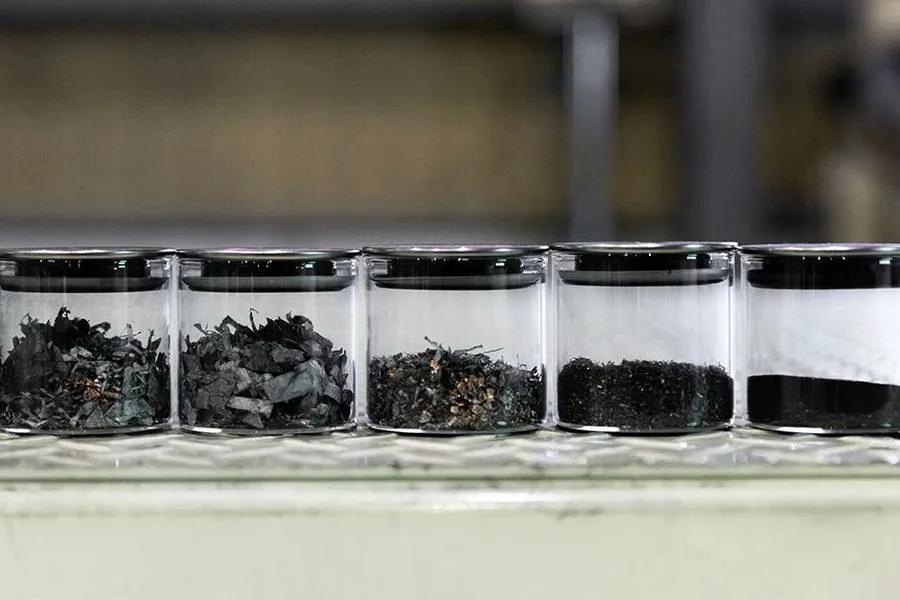
The project focuses on producing battery cells with more than 80% recycled material, addressing the EU Battery Regulation’s minimum recycling quotas for cathode active material (CAM). The initiative goes beyond existing efforts, which often treat recyclable components individually rather than assessing their interaction in new batteries. The research includes the entire battery value chain, aiming to improve the carbon footprint while meeting material quality requirements.
See also: RWTH Aachen’s PEM Finds Electrification of Road Construction Sites Both Feasible and Sustainable
Challenges include achieving sufficient purity in recycled materials, particularly for graphite used in anodes, which is currently costly and difficult to process. While recycled CAMs such as nickel, cobalt, and lithium salts are already partially used, their effects on battery performance, aging, and safety are not fully understood. The project also aims to recycle inactive components like aluminium and copper foils and separator materials, which are essential to meeting circular economy goals.
Industry partners NEUMAN & ESSER, Accurec Recycling, Iondrive EU, and Constantia Patz are involved in developing scalable process routes. Research objectives include optimizing hydrometallurgical recovery, controlling the quality and morphology of recycled NMC materials, and evaluating electrochemical performance to establish tolerance limits for impurities.
See also: RWTH Aachen Unveils Virtual Modelling Tool for Battery Cell Production
The project officially started on 1 October 2025 and will run until 30 September 2028, with the goal of establishing a scientifically validated framework linking process parameters, material quality, and battery performance to enable high-recycled-content cells in future production.