



The Chair of Production Engineering of E-Mobility Components (PEM) at RWTH Aachen University has concluded the Fluxlicon research project, which developed a stationary energy storage system using second-life electric vehicle (EV) batteries. The three-year initiative was funded by the German Federal Ministry for Economic Affairs and Climate Protection.
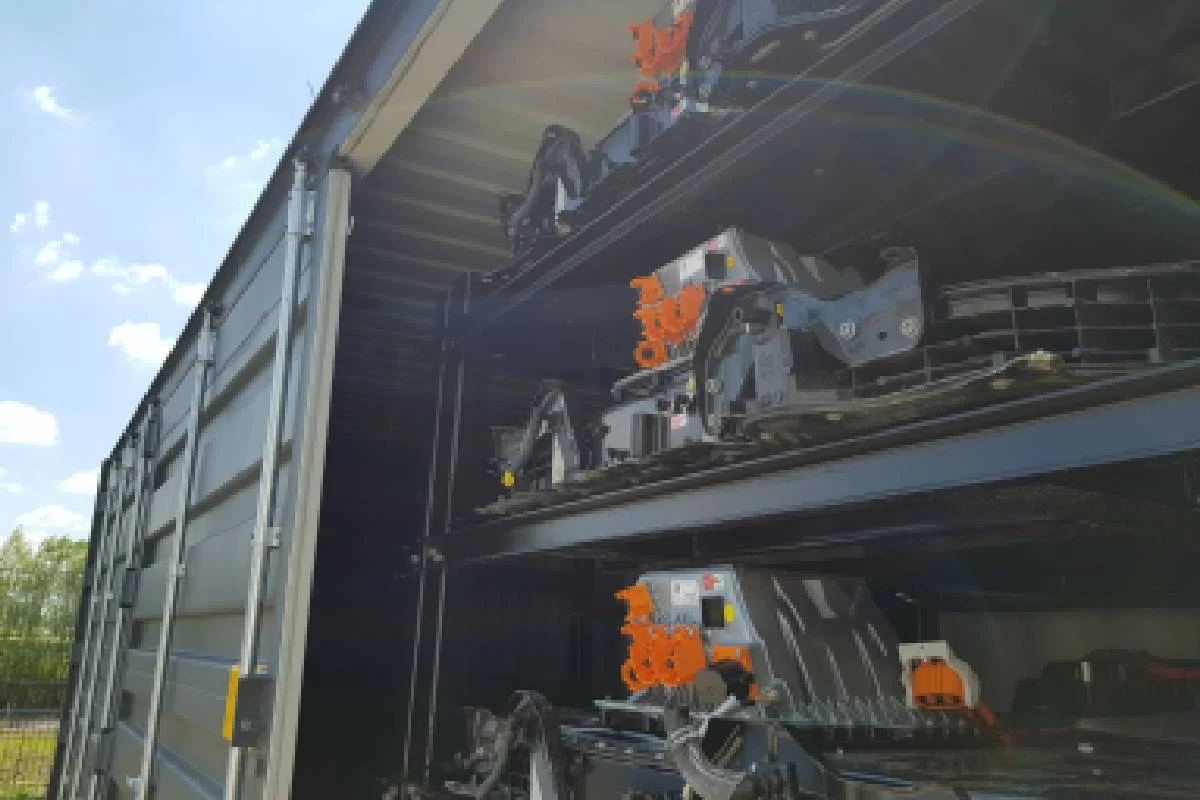
The innovative storage system, with a capacity exceeding one megawatt-hour, integrates used EV batteries with approximately 80% residual capacity, enabling additional years of utility in modular energy applications. “With a residual capacity of around 80 per cent, most traction batteries are no longer suitable for further use in electric cars, but they have sufficient capacity for another several years of second-life use in modular energy storage systems,” said PEM Director Professor Achim Kampker.
Developed in collaboration with DEKRA, the Renewable Energy Agency, and PEM Motion, the project included designing an algorithm to manage high-voltage batteries effectively. The team tested 144 configurations to optimize the prototype for various applications.
Two Fluxlicon pilot municipalities will implement the storage systems, with one already operational in Wolfenbüttel, Germany. It features a grid interface for renewable energy integration and fast-charging capabilities. The second system is scheduled for deployment in Ludwigsburg next month. “Each municipality has its own consumption profiles with an increasing number of power sources and different energy sinks, so stationary storage systems can play a crucial role in ensuring security of supply,” said Merlin Frank, Fluxlicon project manager.
The project also addressed the economic aspects of second-life batteries, including creating a pricing index for aged traction batteries. “The growing demand for electric vehicles and the increasing number of end-of-life battery systems are creating a market for used batteries,” Frank explained. The findings, outlined in the open-access publication Understanding the Economics of Aged Traction Batteries: Market Value and Dynamics, aim to enhance cost transparency and support a circular battery economy.
RWTH Aachen’s PEM continues to contribute to advancements in e-mobility, recently completing projects on electric trucks and hybrid battery production processes, highlighting its role in shaping the future of sustainable transportation.


