

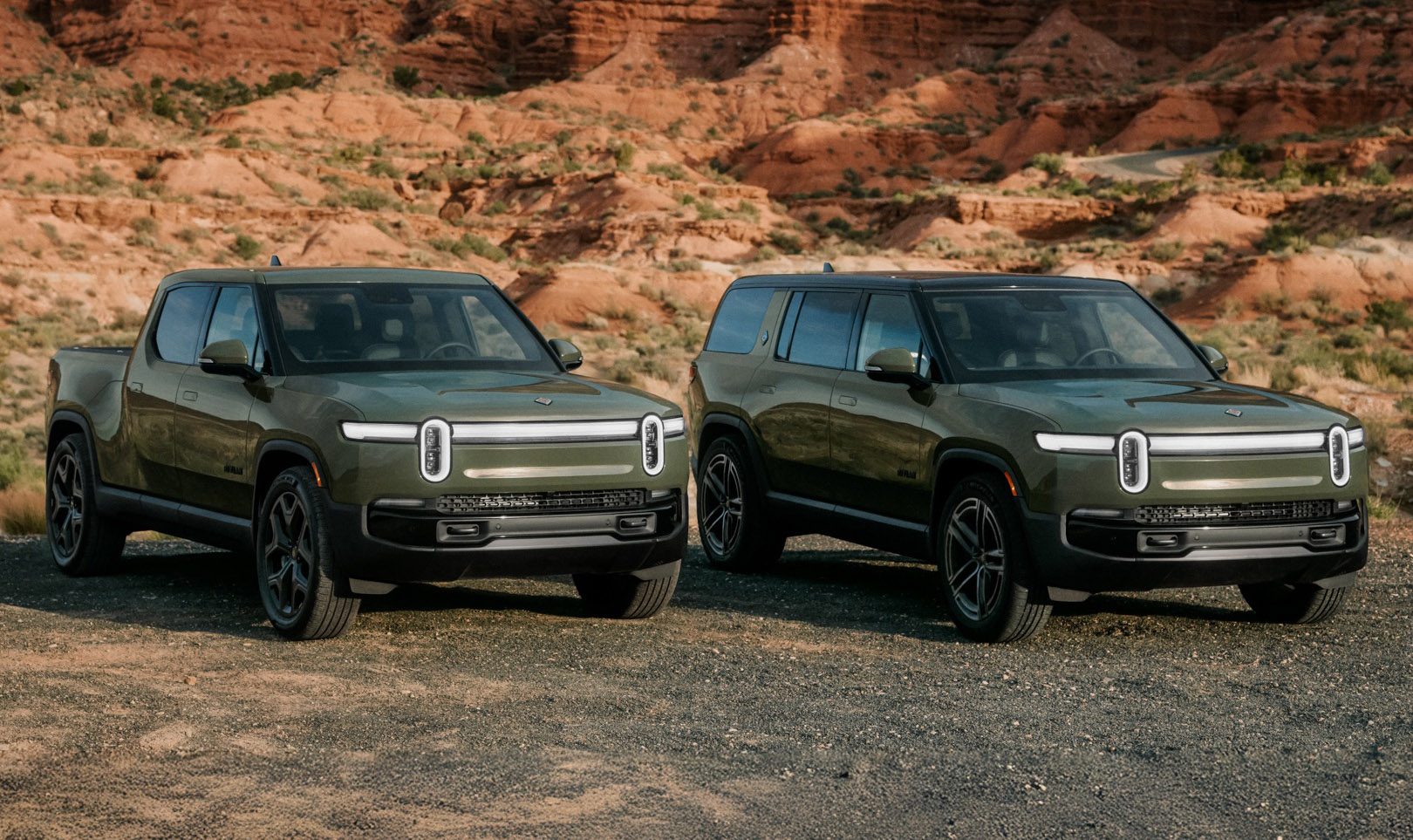
Rivian said it produced 42,284 vehicles and delivered 42,247 vehicles in 2025, finishing the year within its revised guidance after adjusting output to match a more challenging demand environment for electric vehicles.
In the fourth quarter, Rivian built 10,974 vehicles at its manufacturing facility in Normal and delivered 9,745 vehicles, closing the year without unexpected changes to production or delivery targets.
See also: Rivian Rolls Out Hands-Free Driving Update For New R1 Models
Annual volumes declined compared with earlier years as Rivian moderated output. The company produced about 57,000 vehicles in 2023, followed by roughly 49,500 in 2024. Deliveries reached just over 50,000 units in 2023 and increased to around 51,500 in 2024 before falling back in 2025.
Quarterly production and delivery figures varied during the year, reflecting shifting consumer demand and a more cautious production strategy. Despite the uneven trajectory, Rivian’s results ultimately landed within guidance, marking a period of relative stabilization after prior volatility.
See also: Rivian to Add Digital Key Support to Gen 2 Vehicles in Upcoming Software Update
Market conditions were also shaped by policy changes. The U.S. federal electric vehicle tax credit of up to $7,500 expired on Sept. 30, 2025 under legislation signed earlier in the year by Donald Trump. The loss of the incentive reduced affordability for some buyers and has been cited as a broader headwind for EV sales.
Rivian said it will release its fourth-quarter and full-year financial results on Feb. 12, 2026, after U.S. markets close, followed by an earnings webcast later that day to discuss margins, cash position and production plans for 2026.