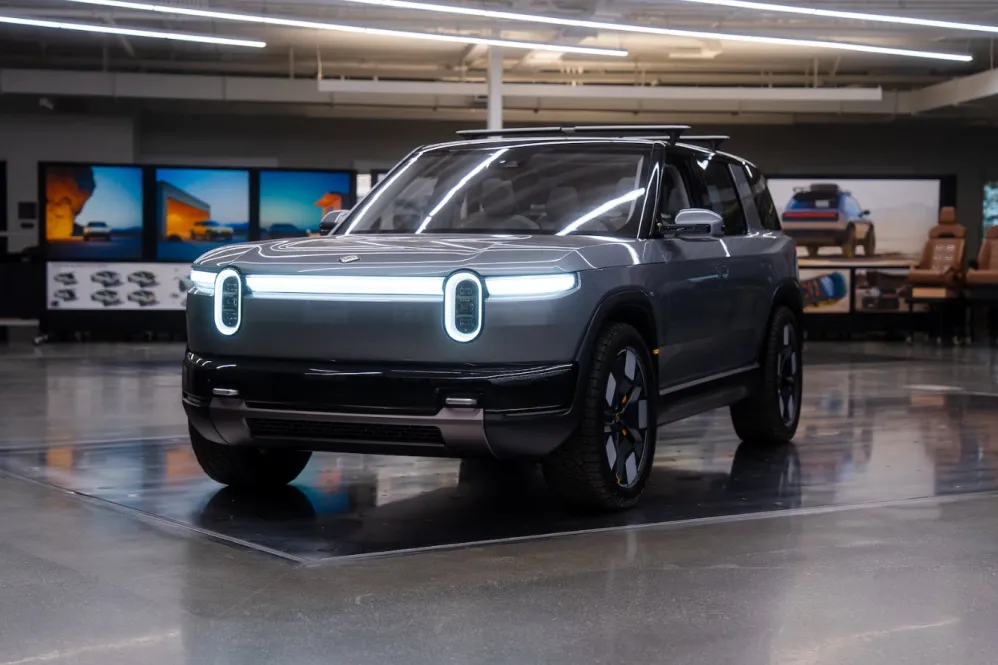
Rivian is accelerating development of its next-generation R2 electric SUV, targeting a 2026 launch with a suite of new in-house technologies and cost-saving design strategies. The company’s latest update highlights its vertically integrated approach across powertrain, vehicle architecture, and software systems as it prepares to scale production.
The compact SUV is designed with both performance and affordability in mind. Rivian has revealed that the R2 will debut with a simplified interior offering, initially limited to two dashboard variants—an all-black scheme and a grey-and-white dual-tone option, the latter expected to carry a premium.
“We’re focused on balancing design innovation with manufacturability,” Rivian said in a corporate blog post. “Every choice we make is about delivering performance and efficiency without compromising quality.”
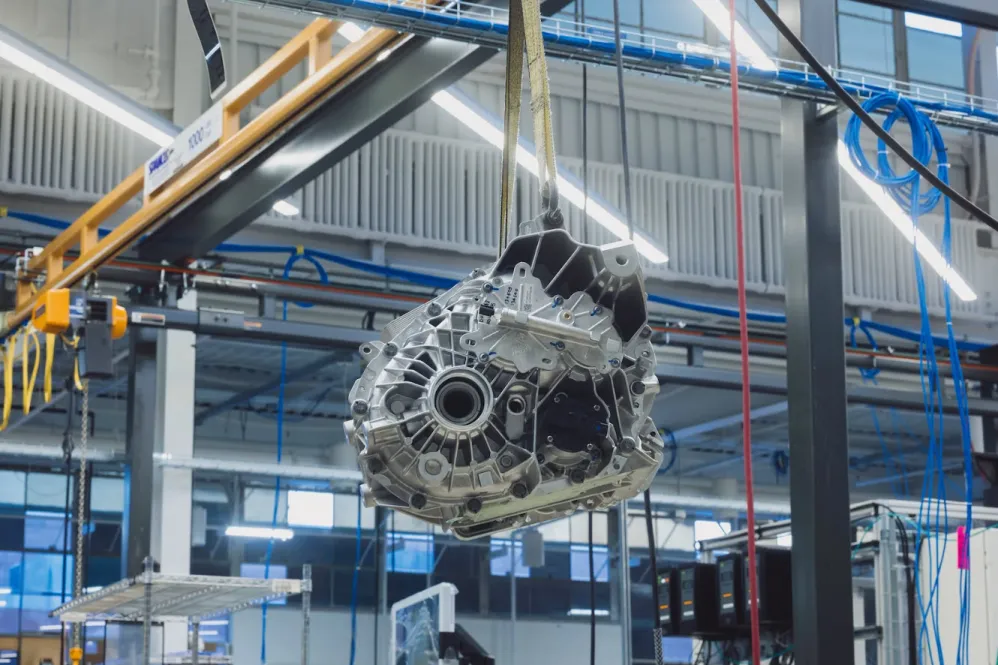
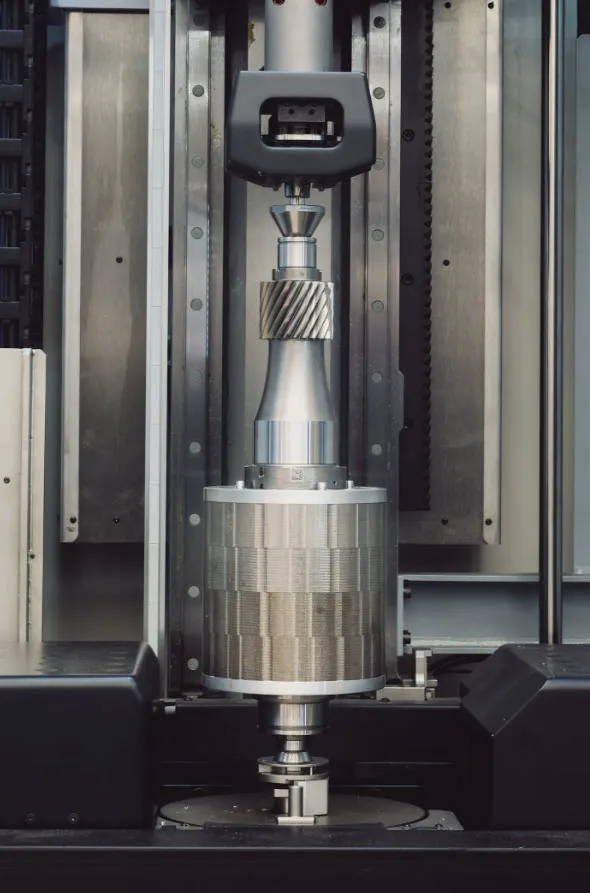
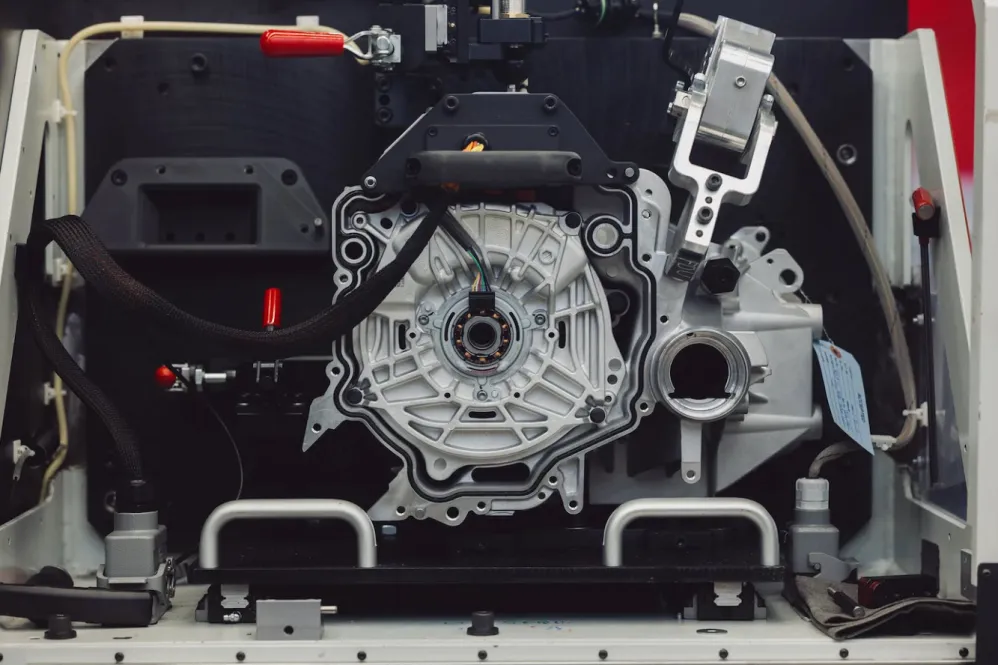
One of the R2’s central innovations is Rivian’s new Maximus electric motor, developed entirely in-house. Smaller and simpler than the company’s previous Enduro and Ascent motors, Maximus uses a continuous stator winding technique that reduces welding points—improving durability and cutting production time.
Testing of the Maximus motor was captured at Rivian’s Powertrain Lab, where it has been subjected to extreme climate simulations. The automaker also built a proprietary test bank to speed the timeline from design to production, reflecting its broader vertical integration strategy.
The R2 will also inherit Rivian’s next-generation zonal electrical architecture, first implemented in the updated R1 vehicles. The consolidated control system minimizes wire complexity and allows software-driven features, including driver assistance and infotainment, to be deployed more rapidly through over-the-air updates.
The company also showcased its Mule 3.2 prototype—a pre-production test vehicle used for validating electrical components and harnesses. These mules are critical in refining the vehicle’s systems before full-scale manufacturing begins.
With the R2, Rivian is positioning itself to expand its consumer base while strengthening its independence from external suppliers. The automaker’s internal development model mirrors that of competitors like Tesla, as it aims to scale efficiently while retaining control over core technologies.