




Rivian has raised its vehicle delivery forecast for 2026 after reporting stronger-than-expected second-quarter performance, signaling growing confidence despite a more challenging environment for electric vehicle sales in the United States.
The electric vehicle manufacturer now expects to deliver between 65,000 and 70,000 vehicles this year, up from its previous guidance of 62,000 to 67,000 units.
The revised outlook represents a notable increase from the 42,247 vehicles Rivian delivered in 2025.
Strong Second Quarter
Rivian said it produced 12,613 vehicles and delivered 12,194 vehicles during the second quarter, exceeding its earlier expectation of 9,000 to 11,000 deliveries.
The company attributed the stronger performance to solid quarter-over-quarter growth in deliveries of its R1 consumer vehicles and Electric Delivery Vans (EDVs), together with the introduction of customer deliveries for the new R2 SUV.
While Rivian did not identify a single factor behind the improved outlook, the company said second-quarter performance surpassed its internal expectations.
R2 Expected to Drive Future Growth
The revised guidance comes shortly after Rivian launched deliveries of the R2, its newest electric sport utility vehicle.
The model starts at approximately US$58,000 and is expected to play a central role in the company’s long-term expansion strategy.
To support higher production volumes, Rivian has expanded manufacturing capacity at its Normal, Illinois, assembly plant while continuing construction of a new production facility in Georgia, where it plans to manufacture hundreds of thousands of R2 vehicles annually.
Although Rivian has not updated its expected R2 sales volume for 2026, Chief Financial Officer Claire McDonough previously indicated the company anticipated delivering between 20,000 and 25,000 R2 SUVs during the year.
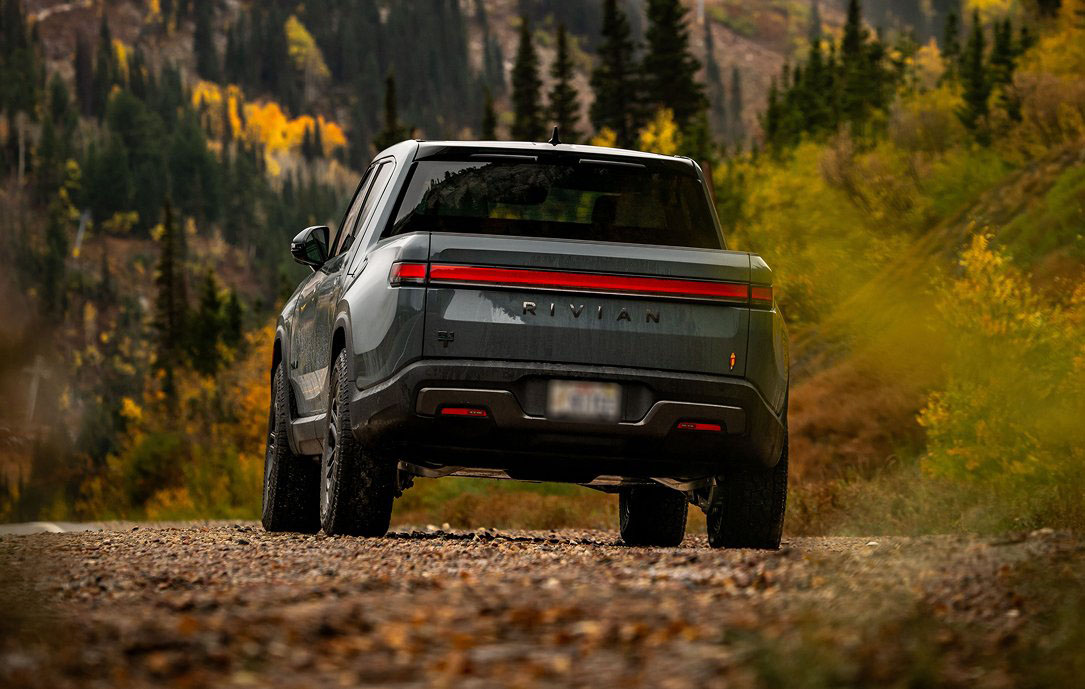
It remains unclear whether the higher annual delivery target reflects stronger-than-expected demand for the R2, continued growth in the company’s commercial delivery vans, or increased sales of its premium R1T pickup and R1S SUV.
Profitability Still the Long-Term Goal
Higher vehicle deliveries would provide additional revenue as Rivian continues efforts to improve its financial performance.
The company has yet to achieve sustained profitability and recently postponed its target for reaching regular profits until 2027.
Part of that decision reflects increased investment in autonomous driving technology following Rivian’s agreement to supply self-driving R2 SUVs for Uber’s future autonomous mobility services.
Despite slowing growth in the broader U.S. electric vehicle market following the elimination of the federal US$7,500 EV tax credit and changes to environmental policies, Rivian’s latest guidance suggests the company expects continued demand for both its consumer vehicles and commercial electric vans through the remainder of 2026.


