


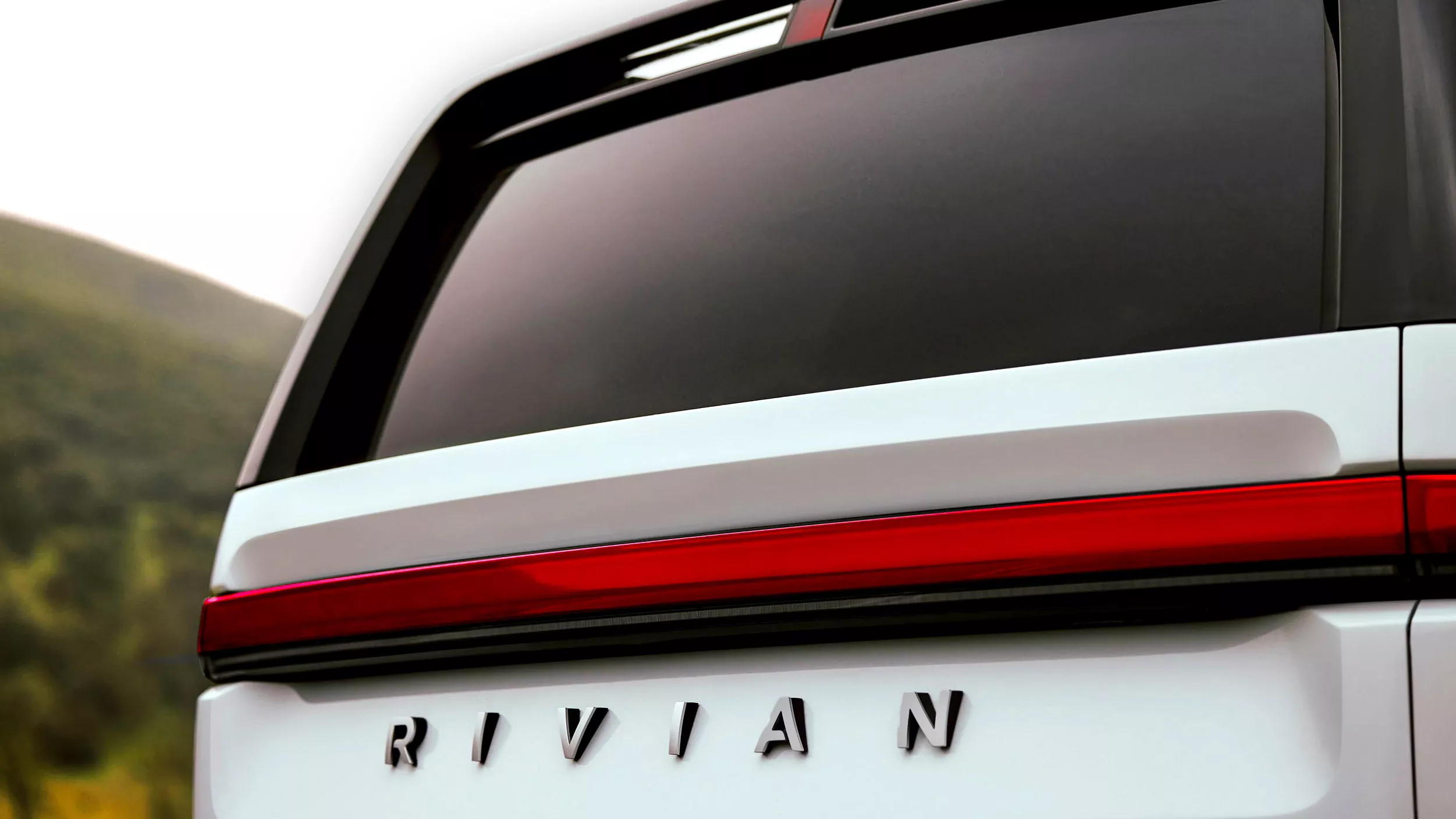
Rivian reported a sharp decline in second-quarter vehicle deliveries, citing softening demand and industry-wide challenges such as tariffs and high interest rates. The electric vehicle maker delivered 10,661 vehicles in the three months ending June 30, down 22.7% from a year earlier, although roughly in line with Visible Alpha estimates.
Production fell more steeply, with Rivian building just 5,979 vehicles in the quarter—significantly below analyst expectations of 11,330 units. The drop comes as the company prepares to launch updated 2026 models of its R1T electric pickup and R1S SUV. Despite the shortfall, Rivian reiterated its full-year guidance of delivering between 40,000 and 46,000 vehicles.
See also: Rivian Cuts 1% of Workforce in Latest Restructuring Ahead of R2 SUV Launch

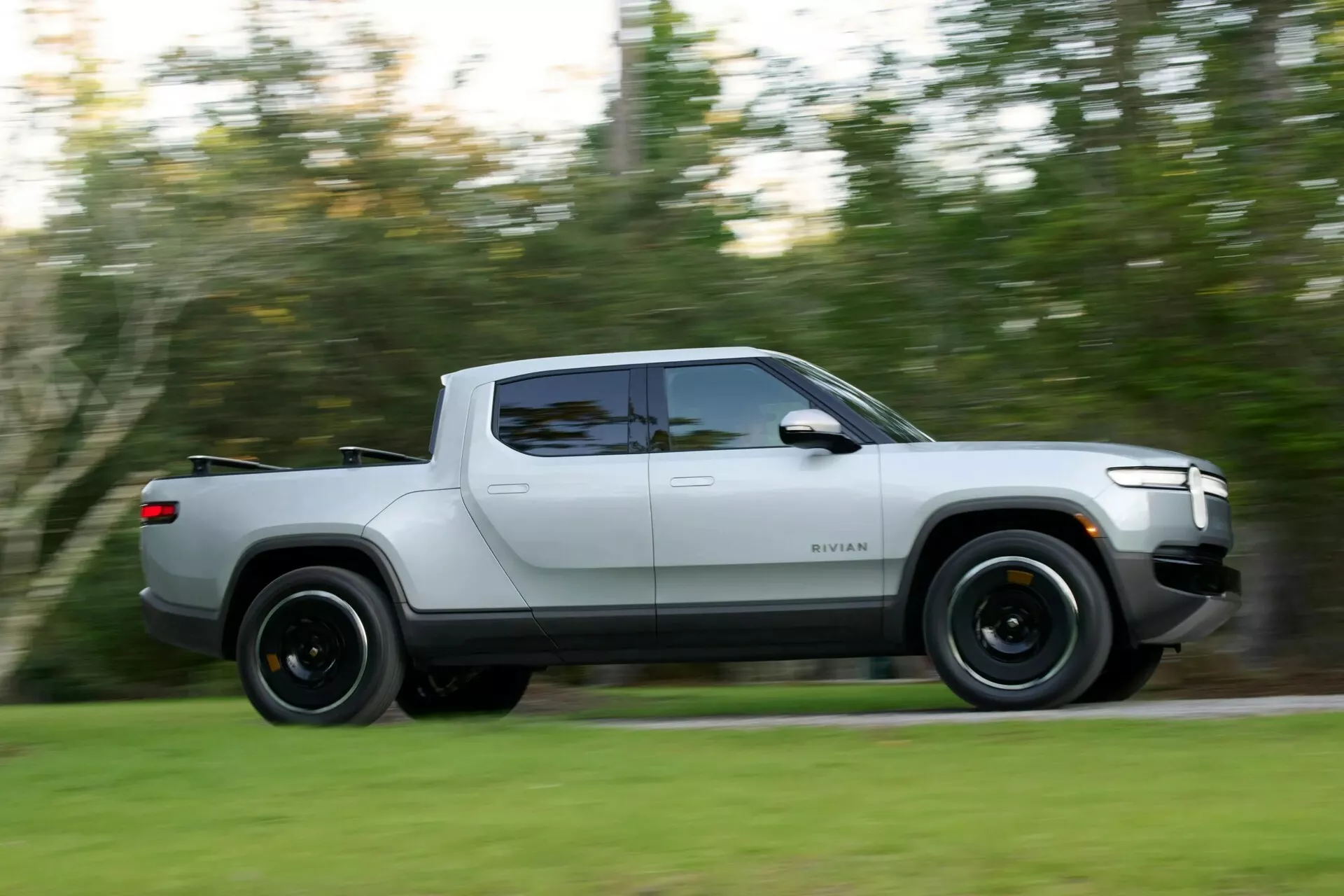
Tariffs imposed by President Trump’s administration have raised manufacturing costs for automakers, prompting Rivian and others to reevaluate supply chains. High borrowing costs and growing consumer interest in cheaper hybrid and gasoline-powered vehicles have further weighed on electric vehicle demand.
The company continues to face pressure on margins as vehicle production costs climb. Rivian aims to reduce spending and improve profitability ahead of next year’s launch of its lower-cost R2 SUV. The U.S. EV market also faces potential regulatory risks, as Senate Republicans recently proposed ending the federal $7,500 tax credit on new EV purchases after September 30.
See also: Rivian’s 2026 R1T and R1S Quad-Motor EVs Gain EPA Certification with Up to 359 Miles of Range
In May, Rivian announced a $1 billion equity investment from Volkswagen Group as part of a $5.8 billion joint venture to support software and vehicle development.